Model Kit Tools Every Beginner Needs
Related: Best Model Kit Tools: Nippers, Files, and the Essentials
The modeling hobby loves to sell you a starter kit that promises everything you need to build like a pro. But is that really true? I've been building Gunpla for over 25 years, and I've tested more nippers, tweezers, and glue bottles than I care to count.
My shop is a converted spare bedroom that smells like plastic cement and regret, and my backlog currently sits at around 40 kits.
Here's the truth about what you actually need, and what's a waste of money.
Let's start with the thing that will make or break your first build. I've seen beginners try to twist parts off the runner with their bare hands. I've seen them use kitchen scissors. I've even seen someone use their teeth, which I do not recommend.
The first tool you need is a decent pair of nippers, and you don't need the ~$60 God Hand model. A solid mid-range pair will do.
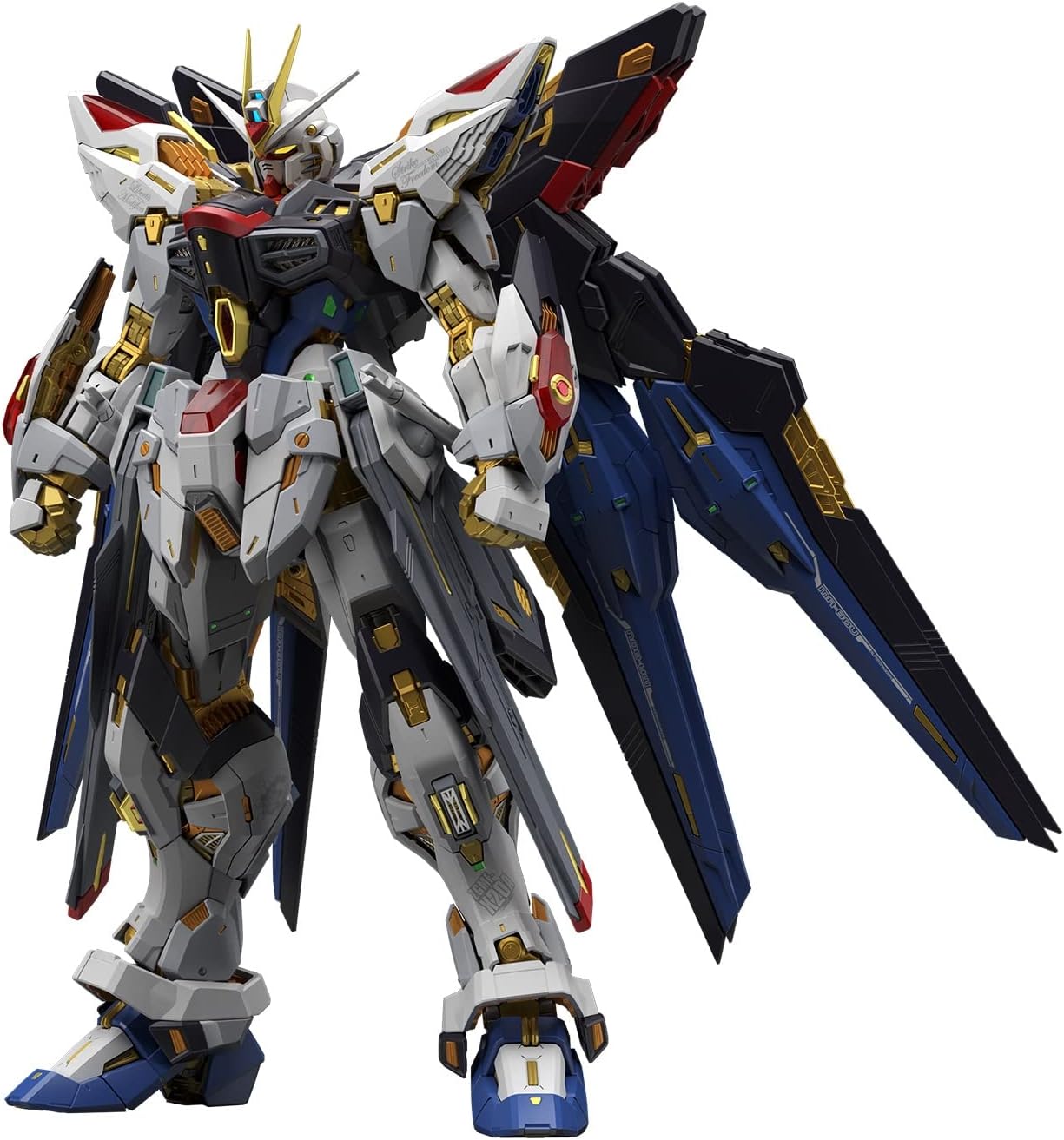
I've been using the same pair of Tamiya nippers for three years, and they've survived dozens of builds, including the MGEX Strike Freedom that broke my heart in other ways.
The second tool is a hobby knife. You'll use it to clean up nub marks, trim seam lines, and occasionally to pry apart a piece you snapped together wrong. Get one with a comfortable grip, and buy a pack of spare blades. Dull blades are dangerous. I learned that the hard way when I slipped and carved a nice chunk out of my thumb. The scar is gone now, but the lesson stuck.
Third, you need a cutting mat. I know it sounds boring, but it protects your desk and your blades. I've got a self-healing A3 mat that's covered in knife marks and paint splatters. It's been with me for years, and it's still flat and functional.
You can get a smaller one if you're working on a desk, but don't skip it. The fourth tool is a set of metal tweezers.
The plastic ones included in kits are useless. Every time I see them, I know the designer never actually tried to use them.
Metal tweezers with a fine point are essential for applying stickers, handling small parts, and picking up the tiny screws that always seem to roll off the desk.
Fifth, you need a part separator. This is a thin, flat tool that helps you pry apart pieces without scratching them. I've used a guitar pick in a pinch, but a proper part separator is better. It's one of those tools you don't think you need until you accidentally snap a piece together backwards and have to get it apart without breaking it.
Sixth, you need sanding sticks or files. Nub marks are the eternal enemy. A set of fine-grit sanding sticks will help you clean them up. I prefer the glass files that are popular now, but the traditional sanding sticks work fine. The key is to start with a coarser grit and work your way up to a fine grit for a smooth finish.
Seventh, you need panel-lining ink. Panel-lining is the single biggest upgrade you can do for a kit. It darkens the engraved lines and adds depth. A bottle of Tamiya Panel Line Accent Color is my go-to, but the pour-type markers work too. You'll also need some thinner and a cotton swab to clean up the excess.
Eighth, you need a decent pair of scissors for cutting decals and masking tape. I use a pair of fine-tip scissors that I also use for cutting photo-etched parts. They're sharp, precise, and they've lasted me years.
Ninth, you need glue. Even snap-fit kits sometimes need a little help. I keep a bottle of Tamiya Extra Thin Cement on my desk, and it's perfect for seam lines and small repairs. For anything that needs a stronger bond, I use a gel super glue that doesn't run. I've had too many incidents with liquid super glue ending up on my fingers and ruining a paint job.
Tenth, you need a magnifying glass or a pair of reading glasses. I know it sounds like something your grandpa uses, but trust me. Tiny stickers, small parts, and fine details all become easier to see when you've been building for a few hours and your eyes start to cross. I have a desk-mounted magnifying lamp that I use for all the delicate work, and it's been a lifesaver.
Now, let's talk about the kits themselves. This model tool kit is the perfect starter set. It includes essential tools like nippers and a file, ideal for beginners.
This tool kit includes essential tools like nippers and a file. It's a practical starter set for building model kits.
This tool kit is a practical starter set with essential tools like nippers and a file, ideal for beginners.
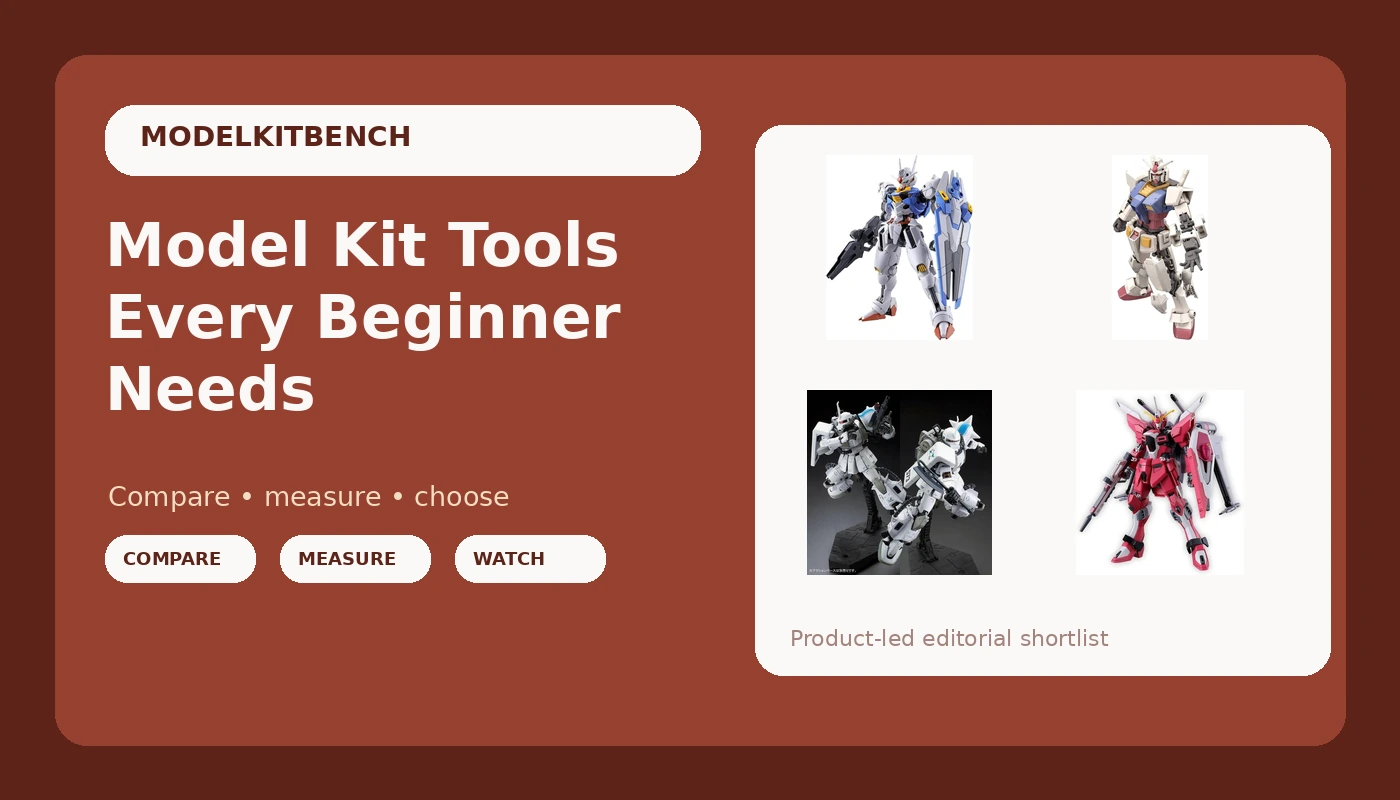
It needs panel-lining to pop, though. Without it, the kit looks a bit flat. But that's a feature, not a bug.
It teaches beginners that one skill without overwhelming them. My friend bought one for his eight-year-old grandson, and the kid assembled it mostly by himself.
Everything stayed together. He had a blast. That's the mark of a great kit. It meets you where you are.
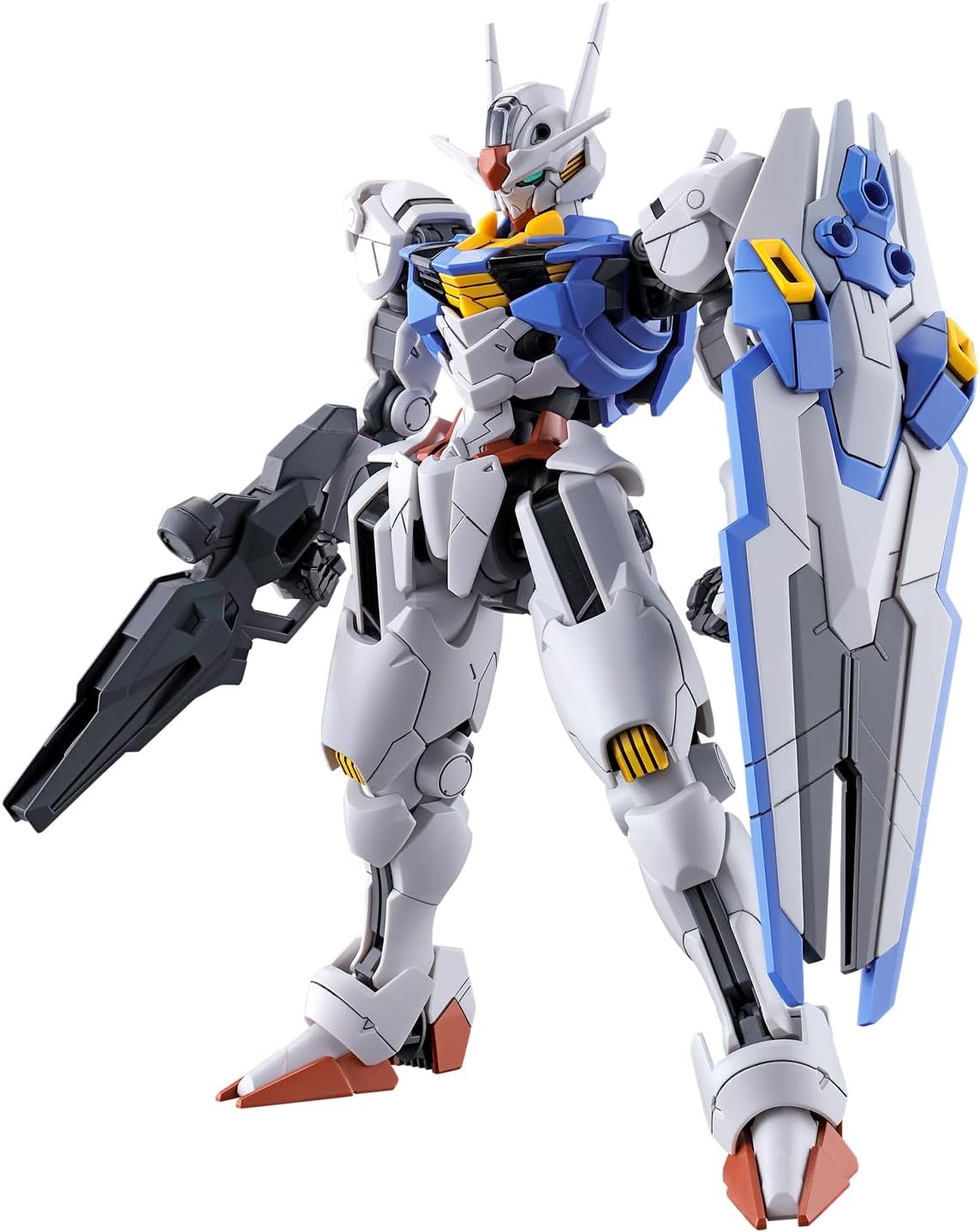
The HG RX-78-2 Beyond Global is another solid choice for beginners. It's a modern take on the classic Gundam, with improved articulation and a fun build. The parts fit together perfectly, and the color separation is good.
It's a bit more expensive than the Aerial, but it's still a great value. The main criticism I have is that the proportions are a little unusual.
The legs are longer than the original design, which gives it a more modern look, but it might not be for everyone.
Still, if you want a classic Gundam that feels fresh, this is the one.
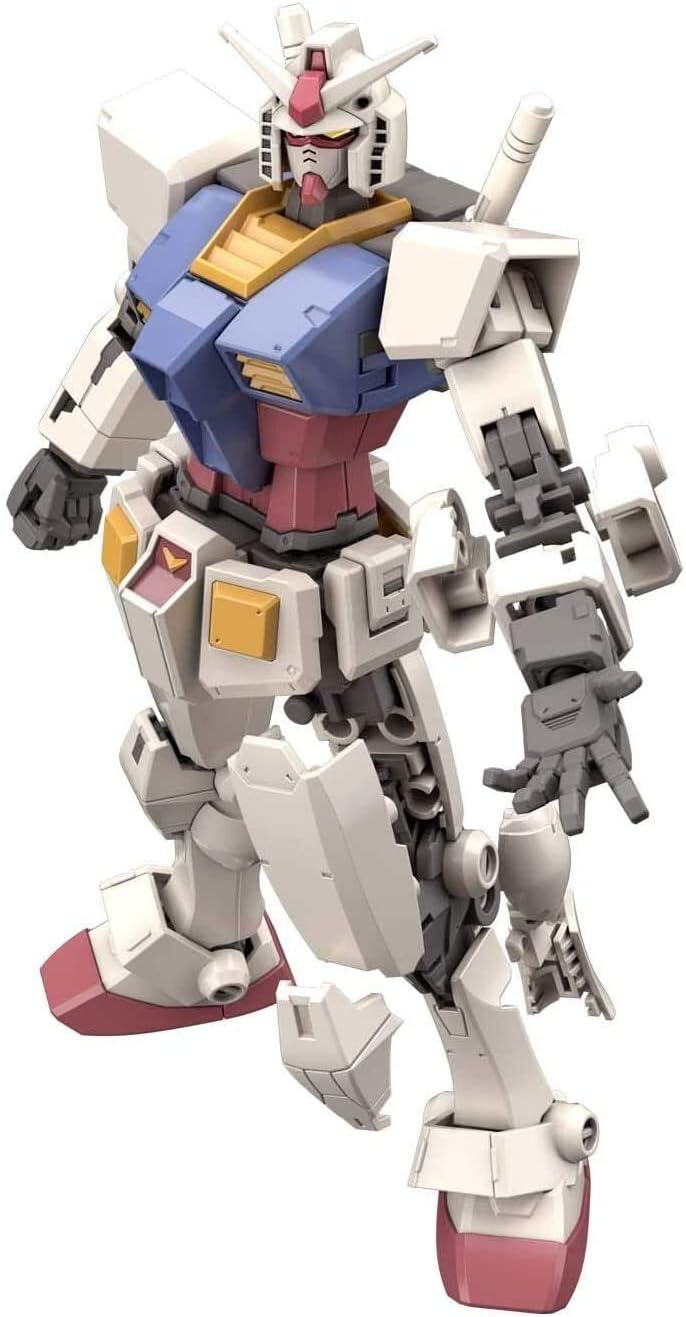
The HGUC Zaku II (Shin Matsunaga Custom) is a bit more of a challenge. The Zaku II is an older kit, and it shows. The seam lines are prominent, and the articulation is limited compared to newer kits. But it's a classic, and the Shin Matsunaga Custom color scheme is gorgeous.
If you're a fan of the original series, this is a must-have. Just be prepared to do a little extra work to make it look its best.
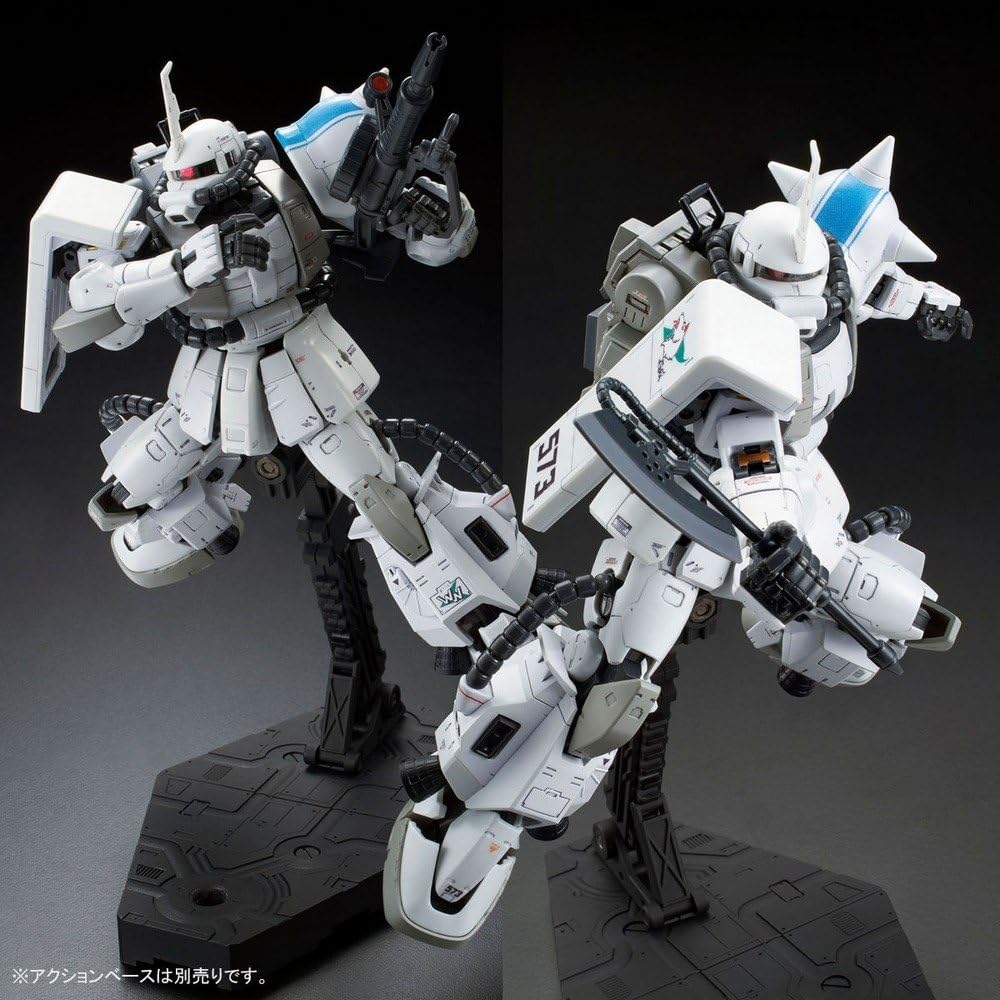
The HG Guncannon is another older kit that has its quirks. The build is straightforward, but the articulation is limited, and the colors are a bit dull out of the box. It needs panel-lining and maybe a bit of paint to really shine. That said, it's a fun build, and it looks great on a shelf next to the RX-78-2. If you're a fan of the original series, it's worth picking up.
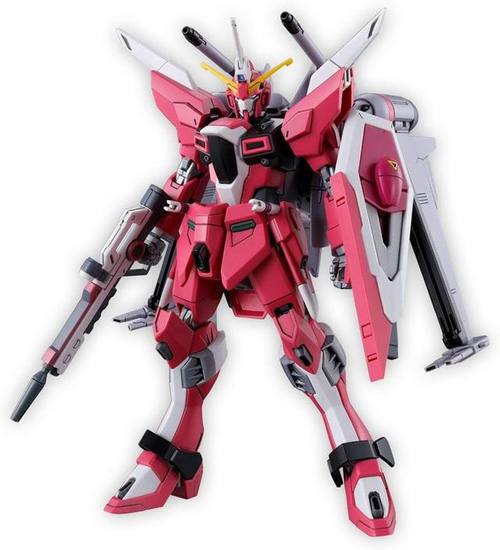
The HG Infinite Justice is a newer kit, and it shows. The articulation is excellent, the color separation is great, and the build is a joy. It's a bit more complex than the Aerial, but still manageable for a beginner who's done a couple of kits.
The backpack is a bit heavy, so it can't stand on its own without a base, but that's a minor complaint.
Overall, this is a great kit for anyone looking to step up from the Aerial.
The MGEX Strike Freedom is a different beast entirely. It costs ~$180, and it will break your heart if you rush it. The inner frame is genuinely incredible, the gold plating is stunning out of the box, and the sheer presence of the finished build is something I've never quite seen from another kit.
But it's an experts-only kit. I spent two and a half days on mine, carefully assembling every piece, applying all the tiny etching stickers, and then, while trying to get a dynamic pose, I heard that sickening snap.
A wing joint broke with barely any force. I superglued it in a fixed position and now display it slightly differently than intended.
I still love it. But I'll never pose it again. The gold finish also scratches and wears off in visible places if you handle it carelessly.
And the gold inner frame? Completely covered up once the armor is attached. I spent hours on it. Hours.
I almost wish I hadn't bothered. Is it worth ~$180? Yes. The details make it totally worth it. Is it worth ~$250? No.
I don't think any model is that good.
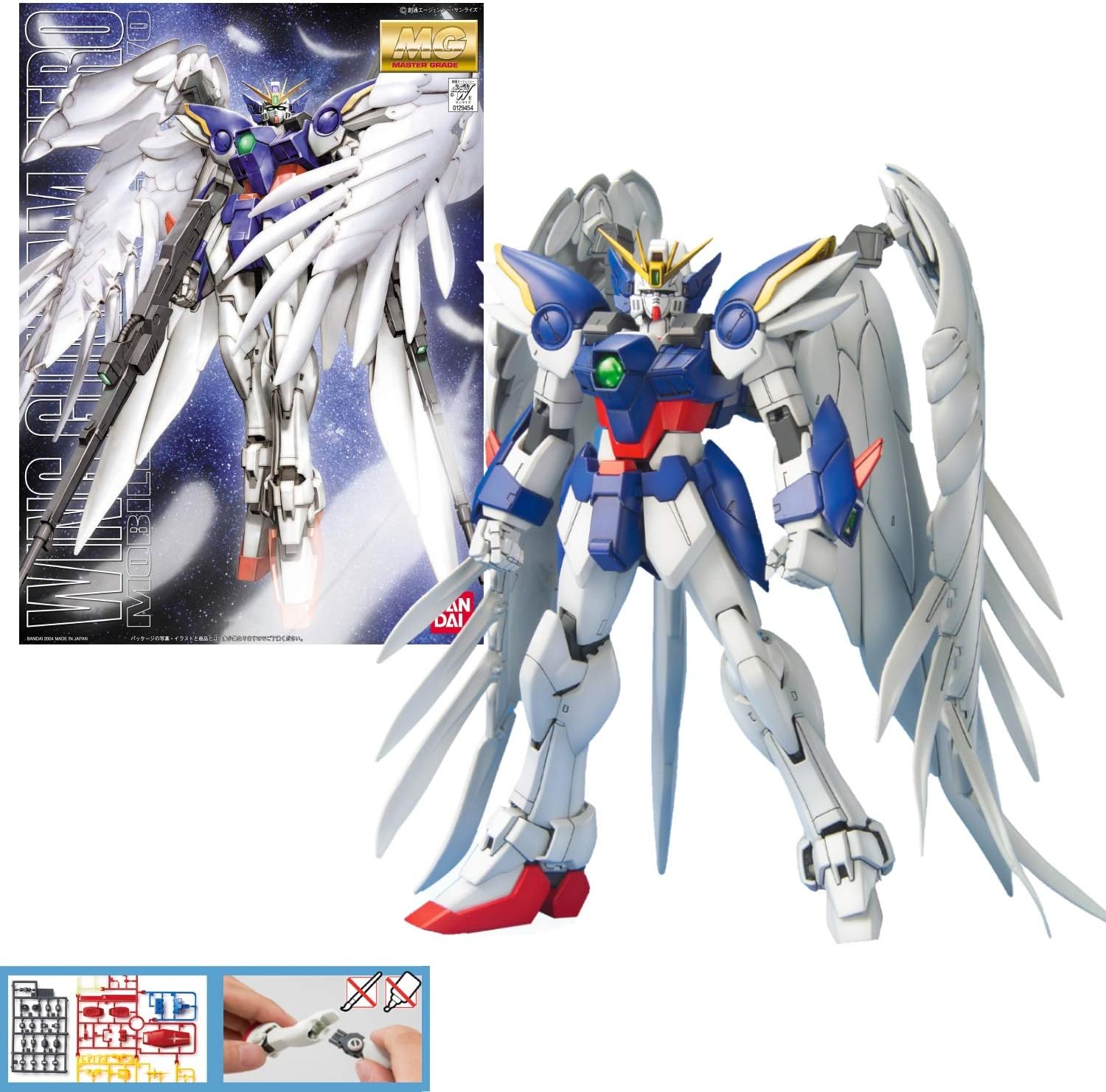
The MG Ver.Ka Wing Gundam Zero EW is a classic. The build is complex, with a lot of parts and a lot of detail. The transformation mechanism is finicky, and the wings are heavy, so posing it is an exercise in joint isolation.
But the finished kit is stunning. The angel wings are dramatic, and the overall look is impressive. It's not a beginner kit, but if you've got a few builds under your belt, it's a rewarding challenge.
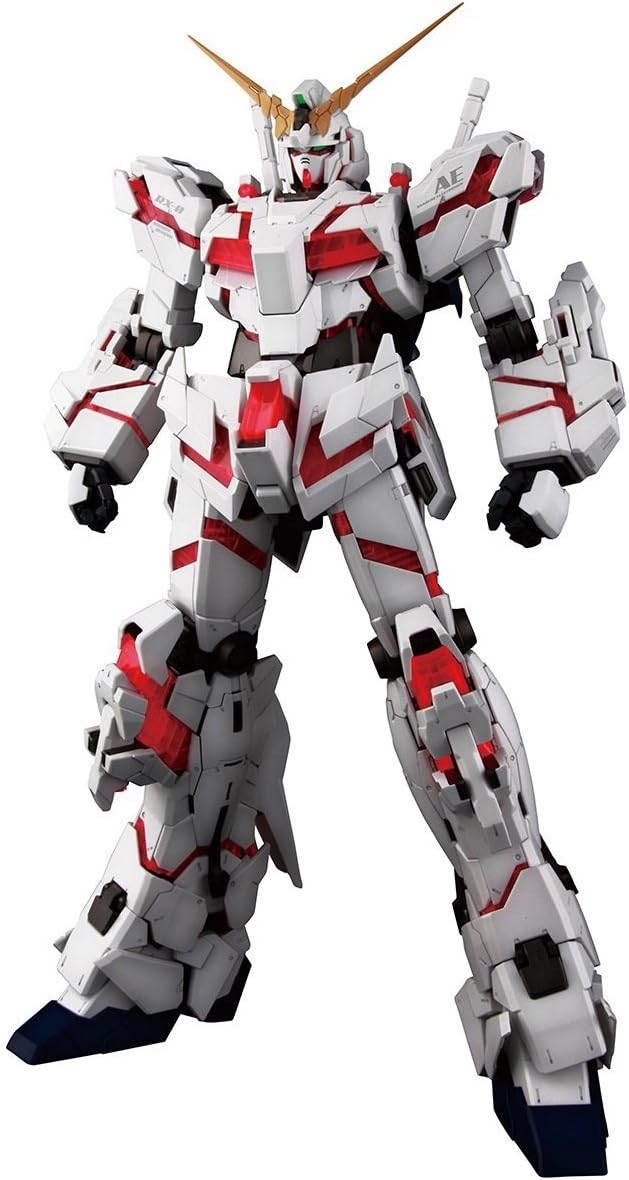
The PG Unicorn Gundam is the stuff of legends. I've had it in my shopping cart for months now, along with the PG Phenex. They sit there, waiting. I haven't pulled the trigger yet, partly because of the price and partly because I know the gold-plated Phenex has the same fragility issues as the MGEX Strike Freedom.
But I will. Eventually. The 15-year comeback story that so many builders share, the one where you pick up a kit after years away and find that the muscle memory comes back instantly, is real.
I've lived it. I'm living it.
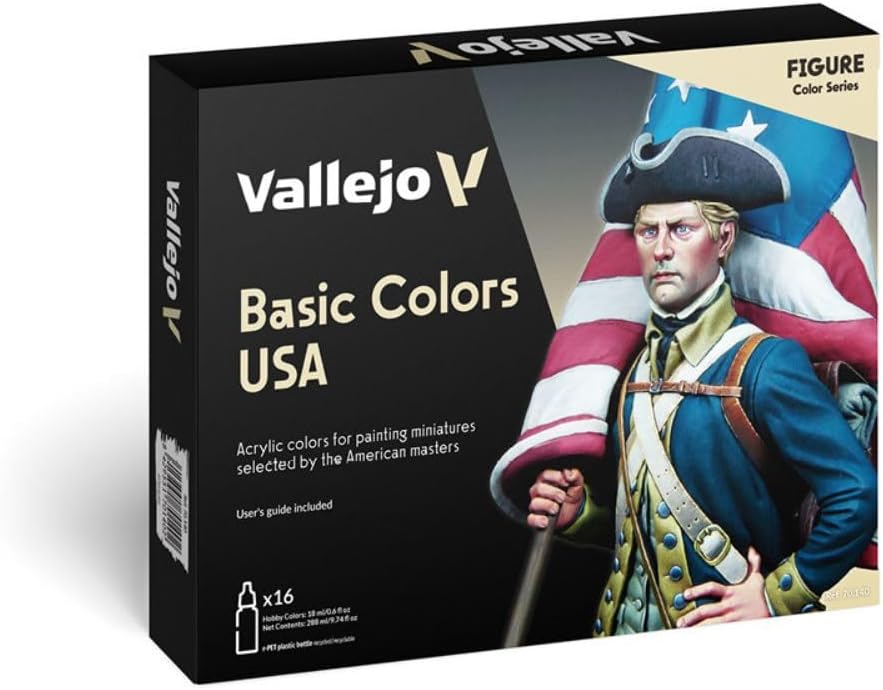
Now, a word about paints. If you're just starting out, you don't need to paint your kits. Bandai's color separation is black magic, and I never want to know how the trick works. But if you do want to paint, Vallejo Model Color is my go-to.
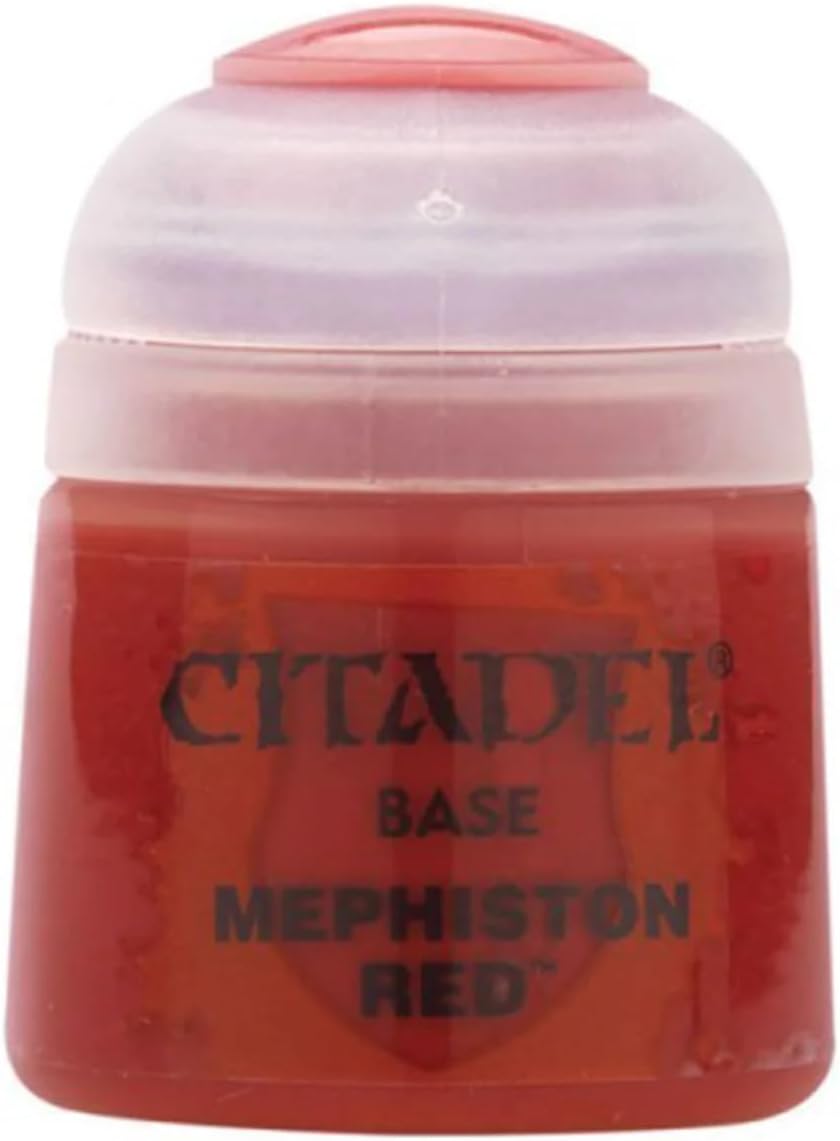
It's water-based, so it's easy to clean up, and the color range is fantastic. Citadel Base Paints are also great, but they're more expensive and designed for miniatures.
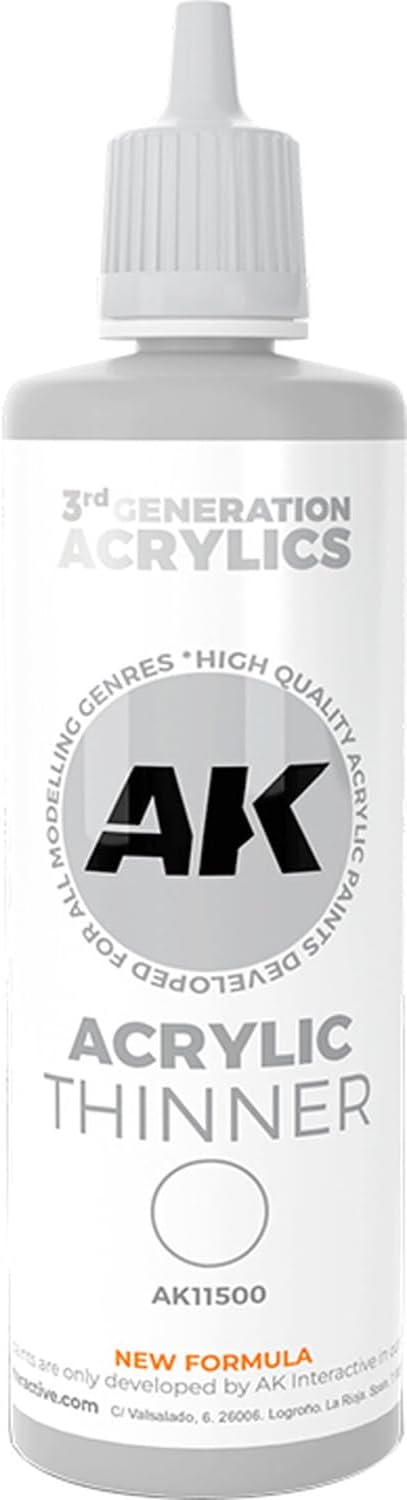
AK Interactive 3rd Gen is another solid choice. I've used all three, and they all have their strengths.
Vallejo is the best all-around, in my opinion.
I don't track prices day to day, so I won't pretend to know next week's deals. But I can tell you that a good set of tools will last you years, and a good kit will give you hours of joy. Start with the HG Aerial and a basic tool set.
Build it, panel-line it, and see if you're hooked. If you are, the world of Gunpla is waiting. And if you're not, you've only spent a few hours and a few bucks.
That's the beauty of this hobby. It meets you where you are.
My honest bottom line: buy the HG Aerial, a decent pair of nippers, a hobby knife, a cutting mat, metal tweezers, and some panel-lining ink. That's all you need to start. Everything else is a bonus. And if you ever see me at a local competition, come say hi. I'm the guy with the slightly-off MGEX Strike Freedom and the cat who judges my every build.