I built my first kit at eleven because the box art had flames on it, and I have spent the twenty-five years since chasing that same feeling with better tools. In that time one lesson has repeated itself more than any paint brand or airbrush upgrade: your first model building kits decide whether you stay in the hobby or quit after one frustrating evening. Choose wrong and you spend your first build sanding flash, fighting gates placed on visible surfaces, and gluing parts that the box promised would snap. Choose right and you finish something you are proud to put on a shelf, and the second kit gets ordered a week later.
Related: Beginner Model Kit Tools: What You Actually Need
For most people starting out, the smartest first move is the stedi Model Tools Kit paired with whichever kit matches your patience level: the Revell Shelby Cobra if you want to learn cement, paint, and seam work, or a brick-based set like the Nifeliz Turbofan or the Magic House if you want a finished display piece without opening a paint bottle. Tools come first because every kit gets better when your nippers are sharp and your sanding sticks are actually sanding sticks. Here is how the four options line up, and where each one loses.
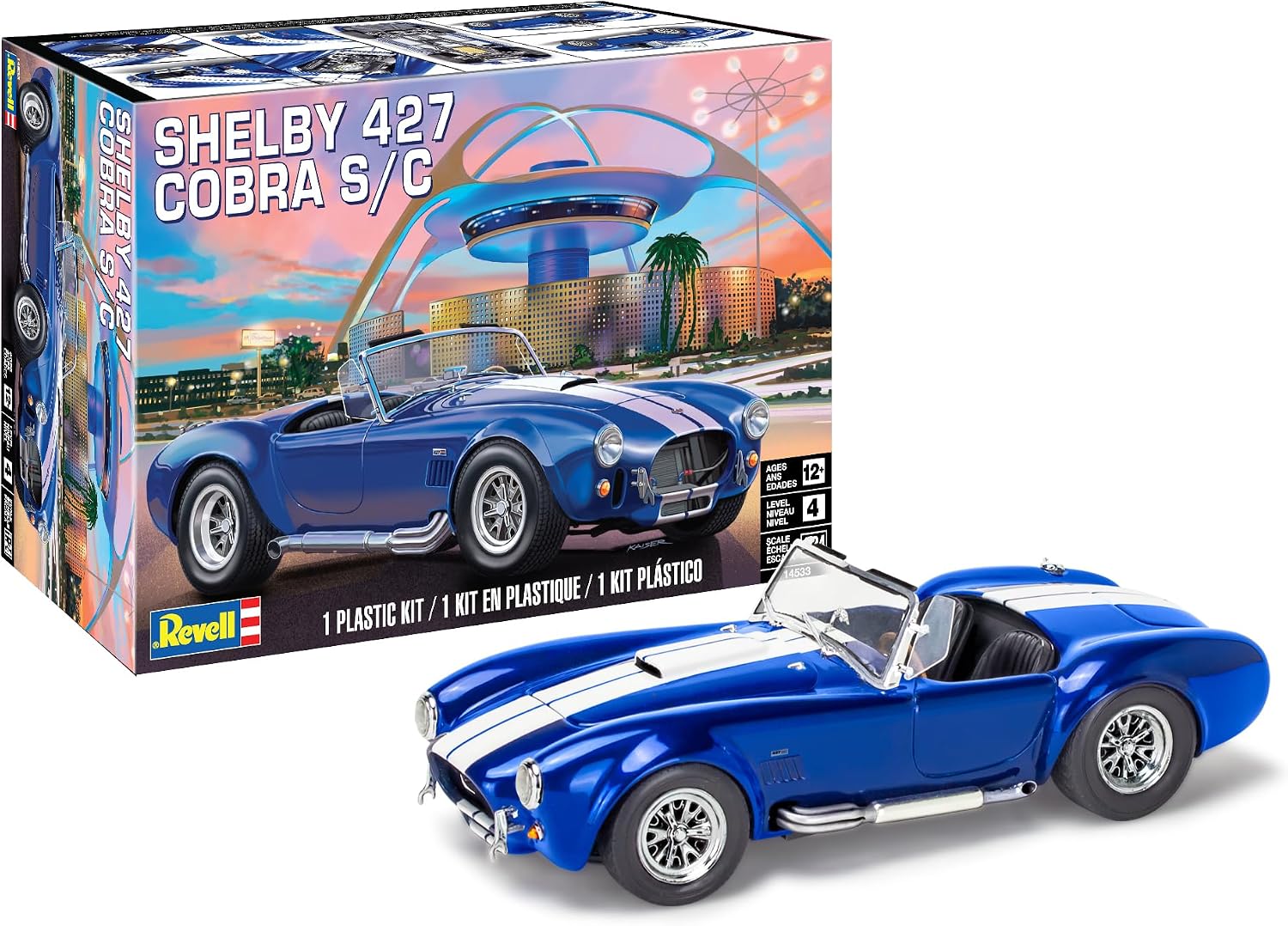
Revell Shelby Cobra 427 S/C Plastic Car Model Building Kit - 1:24 Scale
Teaches cement, paint, and seam work on a shape everyone recognizes
Demands tools and patience before the first part ever meets another part
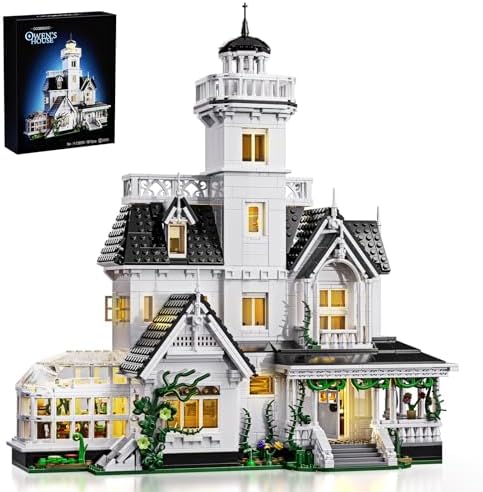
Magic House Building Set with LED Light, Owens House Blocks Toy
Snap-together build with a lighting phase and a finished display piece
It is a block build, so it teaches different skills than scale modeling
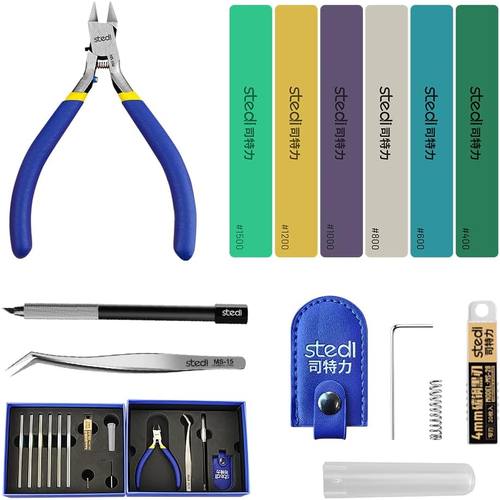
stedi Model Tools Kit for Beginners 14 PCS, Modeler Premium Basic Tools
Covers the beginner basics in one box instead of four separate orders
It is the start of the spending, not a kit you can build and display
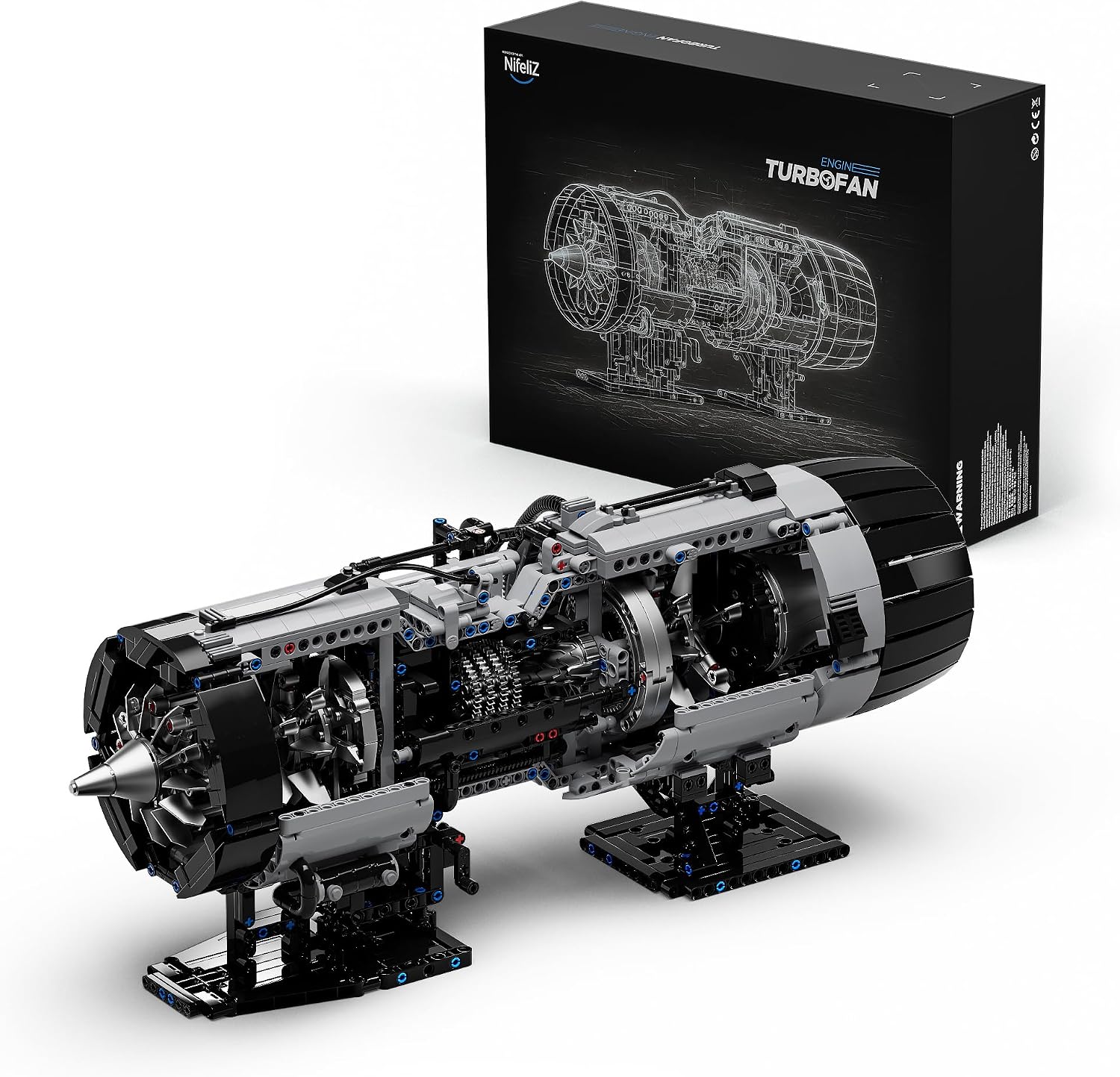
Nifeliz Turbofan Building Set, Engines Series, NF10317
Mechanical display subject that looks like nothing else on a shelf
The highest buy-in of the four for a build that fast builders finish quickly
Prices and availability were captured from Amazon Creators API and may change.
How I judge a first kit
My four checks have not changed in fifteen years of building. First, does it fit without glue? Snap-fit is the standard, and a kit that needs cement where the box implies none is a kit I will warn you about. Second, where are the gates? Gates placed on visible surfaces mean extra sanding and extra risk of flat spots, and that is a design decision, not bad luck. Third, are the decals usable? Waterslide decals that shatter in warm water are an engineering failure, not a user error. Fourth, would I build it again for fun? That last one is the real test, because a kit can be accurate and still be miserable.
None of that is about taste. A kit is engineering, and engineering shows up in the sprue even when you are standing in a hobby shop holding a sealed box. The box art is marketing. The sprue is the truth. When you cannot open the box first, you buy on category: how much work does this type of kit demand, and do you actually want that work on a Tuesday night?
The glue-and-paint path: Revell Shelby Cobra 427 S/C
The Revell Shelby Cobra in 1:24 scale is the traditional on-ramp. Scale car kits in this class are built with cement, painted with a brush or an airbrush, and finished with waterslide decals, and that sequence is the whole point. You learn to remove a nub without gouging the plastic. You learn to hide a seam where the body halves meet. You learn that a thin coat of paint beats one thick coat every single time. None of those lessons transfer from a brick set, and all of them make every later kit easier.
The honest caveat is tooling generation. Revell's catalog spans decades of molds, and the experience of building one Revell kit tells you very little about the next. Before buying any Revell release, look at the year on the listing and look at sprue photos from other builders. A modern tooling kit and a reissue from the 1970s can share a box style and nothing else.
The second caveat is that a Cobra is not a first kit if your only tool is a pair of household scissors. You need nippers, a sanding stick, cement, and at least a couple of paint colors before the first part is clean. That is why the tools pick comes first in this comparison.
Visit on Amazon → for the Revell Shelby Cobra 427 S/C.
The brick path: Magic House and Nifeliz Turbofan
Brick-based sets are the other legitimate way into the hobby, and I will not pretend otherwise just because I spend my weekends with an airbrush. A snap-together block build teaches patience, instruction reading, and the discipline of checking your work every few steps. What it does not teach is cement, seam filling, or paint, and that distinction matters when you plan your second purchase.
The Magic House Building Set with LED Light is the display-friendly option. The lighting element adds a second phase to the build, which is a nice way to break up a long session, and the finished house reads as a lit display piece rather than a toy on a shelf. The trade-off is audience: it is marketed as a blocks toy, so check the listing for the recommended age and the part count before you commit. If you want a quiet evening build with a visible payoff at the end, this is the one.
The Nifeliz Turbofan from the Engines Series is the opposite personality. It is a mechanical subject, the kind of thing that looks like it belongs on a desk next to a monitor, and it draws attention in a way a house does not. It is also the most expensive entry in this comparison, which raises the stakes on a build that an experienced brick builder will finish quickly. Buy it because you want the object on your shelf, not because you want a long project.
Visit on Amazon → for the Magic House Building Set with LED Light.
Visit on Amazon → for the Nifeliz Turbofan Building Set.
The tool kit: why the stedi 14-piece set matters
Every beginner email I answer asks the same question in a different way: can I build this with what I already own? The answer is usually no, and the reason is that the tools you own are for furniture and drywall, not for a 1:24 scale body panel. Household scissors crush a gate instead of cutting it. A kitchen knife scratches plastic. Your fingernails leave stress marks that show through paint.
A 14-piece beginner set is designed to cover cutting, gripping, and cleanup in one purchase. The stedi Model Tools Kit is aimed exactly at that gap, and the value is not the individual pieces, it is skipping four separate orders and four separate shipping waits before you can start. Read the listing to confirm exactly which pieces are in the box, because the contents list is what you are actually buying. Then add cement and paint if you chose the Cobra, and add nothing if you chose a brick set.
One warning from experience: cheap nippers are the one place beginners should not go budget. A dull cutter does not cut, it twists, and a twisted gate tears a chunk out of the part. If your budget only stretches to one upgrade, upgrade the cutter.
Visit on Amazon → for the stedi Model Tools Kit for Beginners 14 PCS.
What the trade-offs actually cost you
The four options in this comparison split cleanly along one axis: how much work stands between you and a finished object, and how much of that work transfers to the next kit.
The Revell Cobra is the highest-skill path. It asks for tools, paint, and cement, and in exchange it teaches you the skills that the rest of the hobby runs on. If you have any interest in scale modeling as a long-term thing, this is where the foundation gets poured. If you want to be done in one sitting with zero cleanup, it will frustrate you.
The two brick sets are the lowest-friction path. No paint, no cement, no nub sanding, no fumes. The Magic House gives you a lit display piece and a gentle build pace. The Nifeliz Turbofan gives you a conversation piece and a higher price tag. Neither one will teach you to hide a seam line, and both will give you a finished model on the shelf this week.
The stedi tool kit is not a competitor to the other three, it is the multiplier on all of them. It matters most with the Cobra, matters somewhat with the brick sets (tweezers and a proper cutter still help), and matters not at all if you never plan to build anything beyond one house. That is the honest framing, and it is why I put it first in the recommendation instead of last.
There is also a storage and display question people forget. A 1:24 scale car needs a shelf with clearance and dust protection if you care about the finish. A lit house needs a spot near an outlet or a battery swap schedule. A turbofan model needs a shelf where people will actually see it. Decide where the finished thing lives before you buy it, because a model in a closet is a model you will stop building.
Who should buy which
Buy the stedi Model Tools Kit plus the Revell Shelby Cobra if you want to learn the real hobby: cement, paint, decals, seam work, and all the frustration that eventually turns into skill. This is the pair I would hand to anyone who told me they wanted to be a modeler and not just build one thing.
Buy the Magic House Building Set with LED Light if you want a calm, no-mess build with a lit display piece at the end, or if you are buying for a younger builder and want to check the age rating first.
Buy the Nifeliz Turbofan Building Set if you want a mechanical centerpiece and you already know you enjoy brick builds. It is the most expensive of the four, so it makes the most sense as a deliberate purchase rather than an impulse one.
Buy the stedi tool kit alone if you already own a kit and you are stuck because your only cutter is ruining parts. That happens more often than people admit, and it is the cheapest fix in this article.
What I am testing next
My bench is currently occupied by this year's real grade releases, three kits, each getting the same part-fit scorecard I use for everything: snap-fit check, gate placement audit, decal water test, and the final would-I-build-it-again verdict. That work is the reason I care so much about first kits. A builder who starts on something that fights them never gets to the kits that reward them.
If you take one thing from this comparison, take the order of operations: tools first, then a kit that matches the amount of work you actually want to do. The Cobra, the lit house, the turbofan, and the tool kit are four different answers to the same question, and none of them is wrong. They just lead to different shelves.