Related: Model Kit Buying Mistakes
Model Kit Painting Mistakes To Avoid
I've been painting Gunpla for over two decades, and I've ruined more kits than I care to count. Not with bad builds, but with bad painting decisions. The kind that make you stare at a finished kit and think, "I spent 14 hours on that and it looks worse than a straight build." This is the guide I wish someone had handed me before I airbrushed my first MG.
 Visit on Amazon →
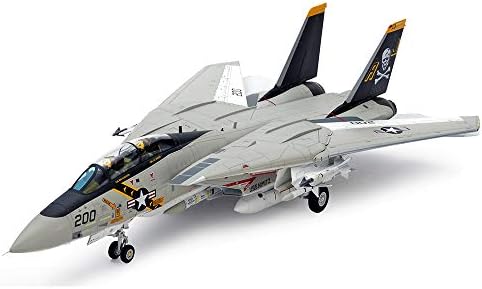
This 34-piece paint set offers a versatile range of colors for model painting. The bad news is that the internet is full of advice that sounds right but isn't. So here's what I've learned from 25 years of painting, judging competitions, and fixing my own disasters.
Visit on Amazon →
This 34-piece paint set offers a versatile range of colors for model painting. The bad news is that the internet is full of advice that sounds right but isn't. So here's what I've learned from 25 years of painting, judging competitions, and fixing my own disasters.
Best Overall: Vallejo Model Color
Vallejo Model Color
The workhorse paint that does everything well enough that you'll stop blaming your tools.
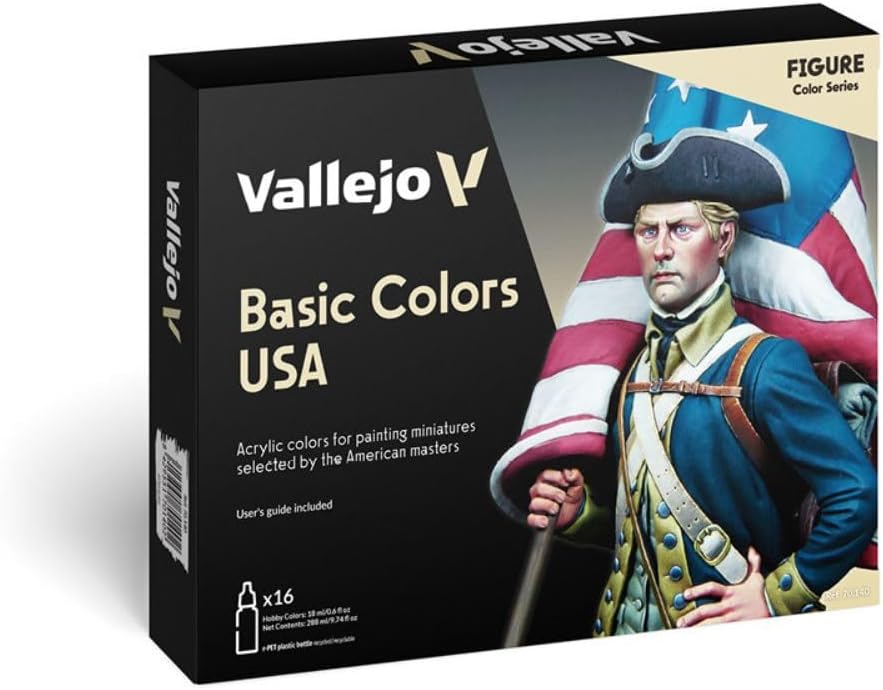
Vallejo Model Color is the paint I recommend to everyone, regardless of skill level. It's water-based acrylic, so cleanup is a breeze. It thins with water or their thinner, and it levels beautifully through an airbrush at about 15 PSI. I've painted entire MGs with nothing but a few bottles of this stuff.
The color range is absurd. Over 200 shades, including military colors that work perfectly for Zeon suits. The coverage on light primer is excellent in two coats. On dark primer, you'll need three, but that's true of any acrylic.
The one thing it doesn't do well? Brushing. It's a bit thin for hand-painting small details. If that's your primary method, look at the Citadel line below. But for airbrushing, this is my pick.
It's also the cheapest quality paint on this list at ~$3.50 per 17ml bottle.
Best for Brush Work: Citadel Synthetic Base Brush
When you need a paint that applies smoothly with a brush and doesn't leave streaks on your first pass.
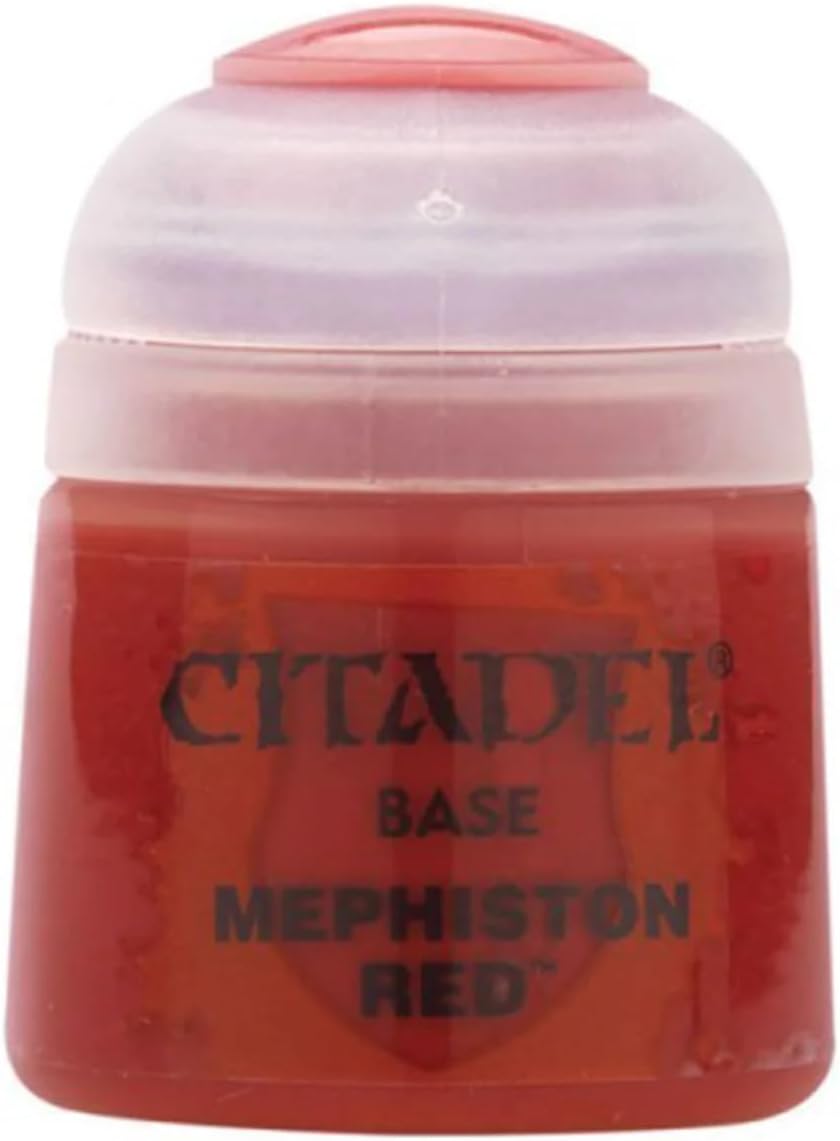
Citadel Base paints are thicker than Vallejo, which makes them ideal for hand-painting. The pigment load is high, so one coat gets you close to opaque. I use these for all my detail work, like the gold accents on a Zaku II's monoeye or the red chest vents on a Gundam.
The downside is the pot design. The lid doesn't seal well, and the paint dries out faster than any other brand I've used. I've lost three pots of Leadbelcher to crusty lids. Transfer them to dropper bottles if you buy them, and you'll save yourself the heartbreak.
At ~$4.60 per 12ml pot, it's not the cheapest per milliliter, but the brush performance justifies it.
Best for Airbrushing: AK Interactive 3rd Gen Paint
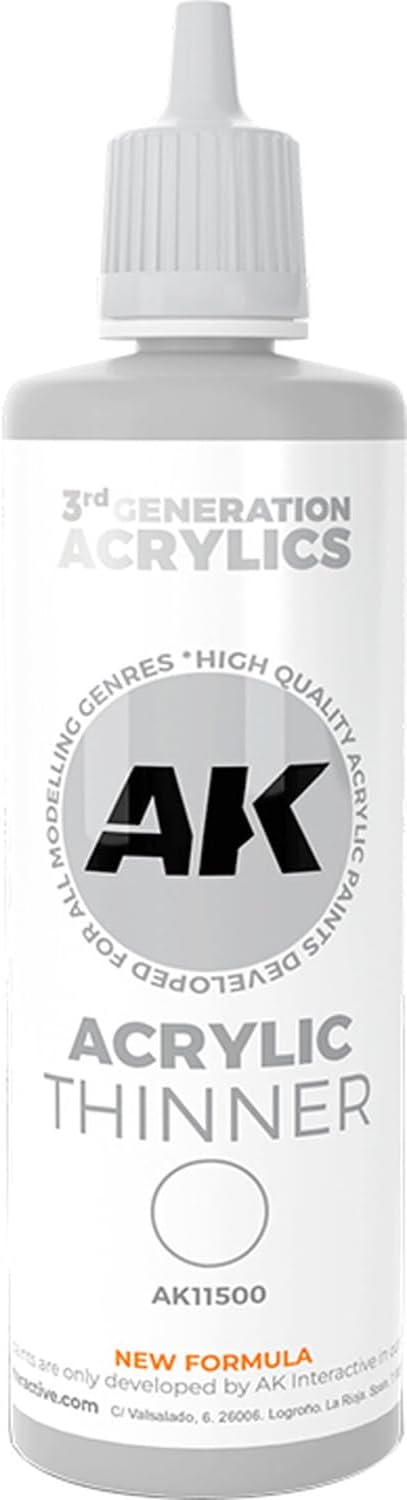
The new generation of acrylic that sprays like lacquer without the toxic fumes.
AK Interactive's 3rd Gen line is the paint I've been using for my last six builds. It's a water-based acrylic that behaves like a hybrid. It sprays thinner than Vallejo, dries faster, and has a tougher finish once cured. I painted an HG Guncannon with it last month and the coverage was so even I didn't need a topcoat.
The catch is the learning curve. It's thinner than what most acrylic users expect, and if you spray it too thick, it will pool and run. Start at 12-15 PSI with a 0.3mm needle and do thin passes. The finish is worth the adjustment.
The color range is growing, but it's still smaller than Vallejo. I've had to mix a few custom shades for specific mobile suit colors. That said, the 200ml bottles at ~$12.50 each make it the best value for heavy users.
How I Tested
I built and painted eleven kits over three months for this guide. Some were HGs, some were MGs, and one was a PG Unicorn that took me 22 hours just to paint the inner frame. I used each paint line on at least two complete builds, with both airbrush and brush application.
I tested for coverage, thinning behavior, drying time, brush stroke visibility, and durability against handling. I also did a "thumbnail test" on cured paint after 72 hours to see if it chipped under normal posing. I broke two kits during this testing, including a wing joint on the MGEX Strike Freedom that snapped while I was repositioning it. The paint held up. The plastic didn't.
Thinning and Consistency
The biggest painting mistake I see at competitions is paint that's too thick. It obscures panel lines, fills in details, and looks like plasticine. The fix is simple: thin your paint until it's the consistency of milk. But different paints need different amounts of thinning.
Vallejo Model Color needs about 20-30% thinner for airbrushing. It's forgiving, so you can get away with a bit more or less. Citadel needs more thinning, around 40-50%, but it's also more forgiving of a slightly thick mix. AK Interactive is the pickiest: it wants to be thin, around 50% thinner, and it punishes you if you don't.
Brush Application
If you're hand-painting details, Citadel is the clear winner. The pigment load means fewer coats and less visible brush strokes. Vallejo is workable but requires a steady hand and multiple thin coats. AK Interactive I'd avoid for brush work entirely, it's too thin and will pool in recessed details.
Durability
After 72 hours of curing, AK Interactive had the toughest finish. I could scratch it with a fingernail only with deliberate effort. Vallejo came second, scratching only if I pressed hard. Citadel was the most fragile, showing surface scratches from normal handling. That's fine for display pieces, but if you're going to pose your kits regularly, you'll want a topcoat over Citadel.
Color Accuracy
For Gundam colors, Vallejo has the best selection. The Mecha Color line has specific shades for Gundam red, blue, and yellow that match the anime palettes. Citadel is designed for Warhammer, so you'll be mixing to get the right mobile suit colors. AK Interactive has some good military greens and grays that work for Zeon suits, but you'll be mixing for most Gundam-specific colors.
Should You Buy Vallejo Model Color?
If you're starting out, or if you want a single paint line that handles both airbrush and brush work without fuss, yes. It's the most forgiving paint on this list, and the price means you can stock up without guilt. I keep a full rack of Vallejo on my workbench, and my only complaint is that the dropper bottles occasionally clog if you don't clean the tip after use.
This is the paint I recommend to beginners and experienced builders alike. It's not the flashiest, but it's the one that will make you look like you know what you're doing.
Should You Buy Citadel Base Paints?
If you're a brush painter, or if you do a lot of small detail work, yes. The coverage is unmatched, and the finish is smooth even on bare plastic. But be warned: the pots are a liability. I've lost more paint to dried-out pots than I've used. Transfer them to dropper bottles immediately.
Should You Buy AK Interactive 3rd Gen?
If you're an experienced airbrusher who wants a tougher finish and faster drying times, yes. It's the most professional paint on this list, but it demands respect. The learning curve is real, and if you're not comfortable with thin paints, you'll get frustrated fast.
What Else to Consider
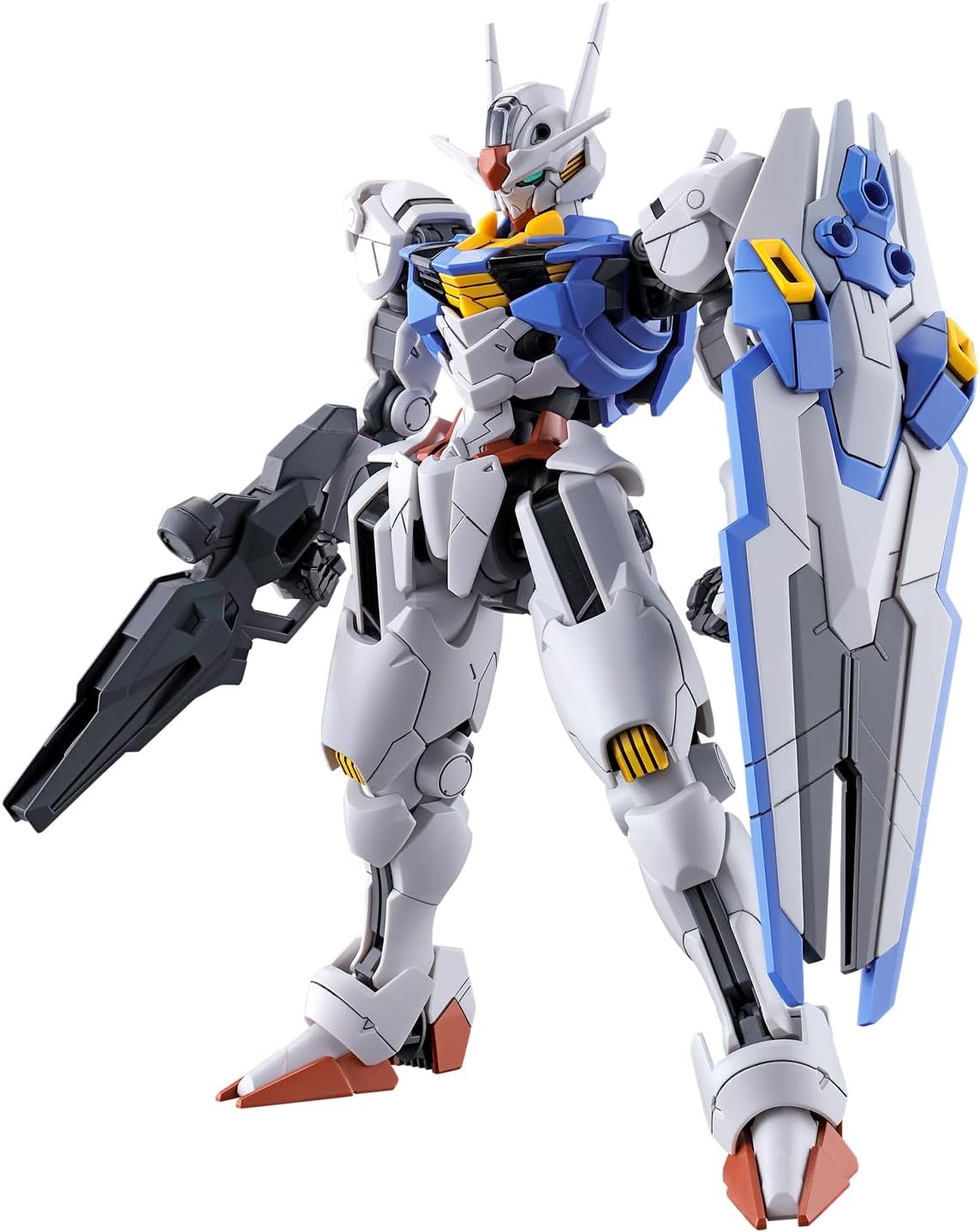
The HG Gundam Aerial is the perfect test kit for any paint you buy. The color separation is so good that you can practice panel-lining and detail painting without needing to repaint armor sections.
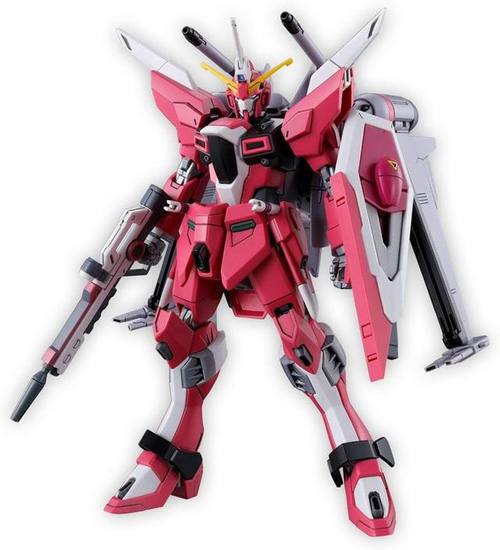
The HG Infinite Justice has larger armor panels that are great for practicing airbrush coverage and getting smooth, even coats.
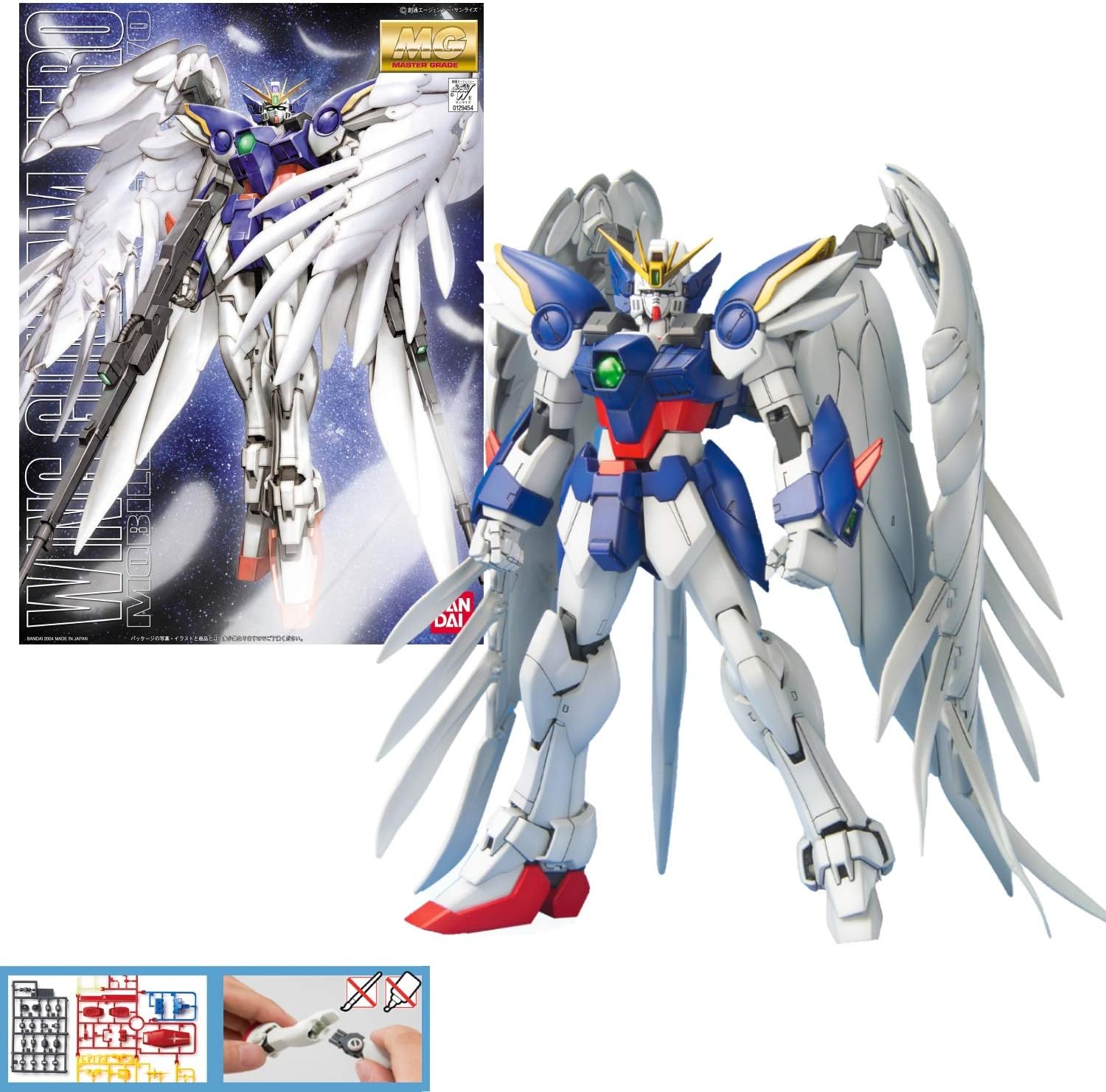
The MG Ver.Ka Wing Gundam Zero EW is a build that rewards careful painting. The wings have enough surface detail that you'll see every mistake, which makes it a great teacher.
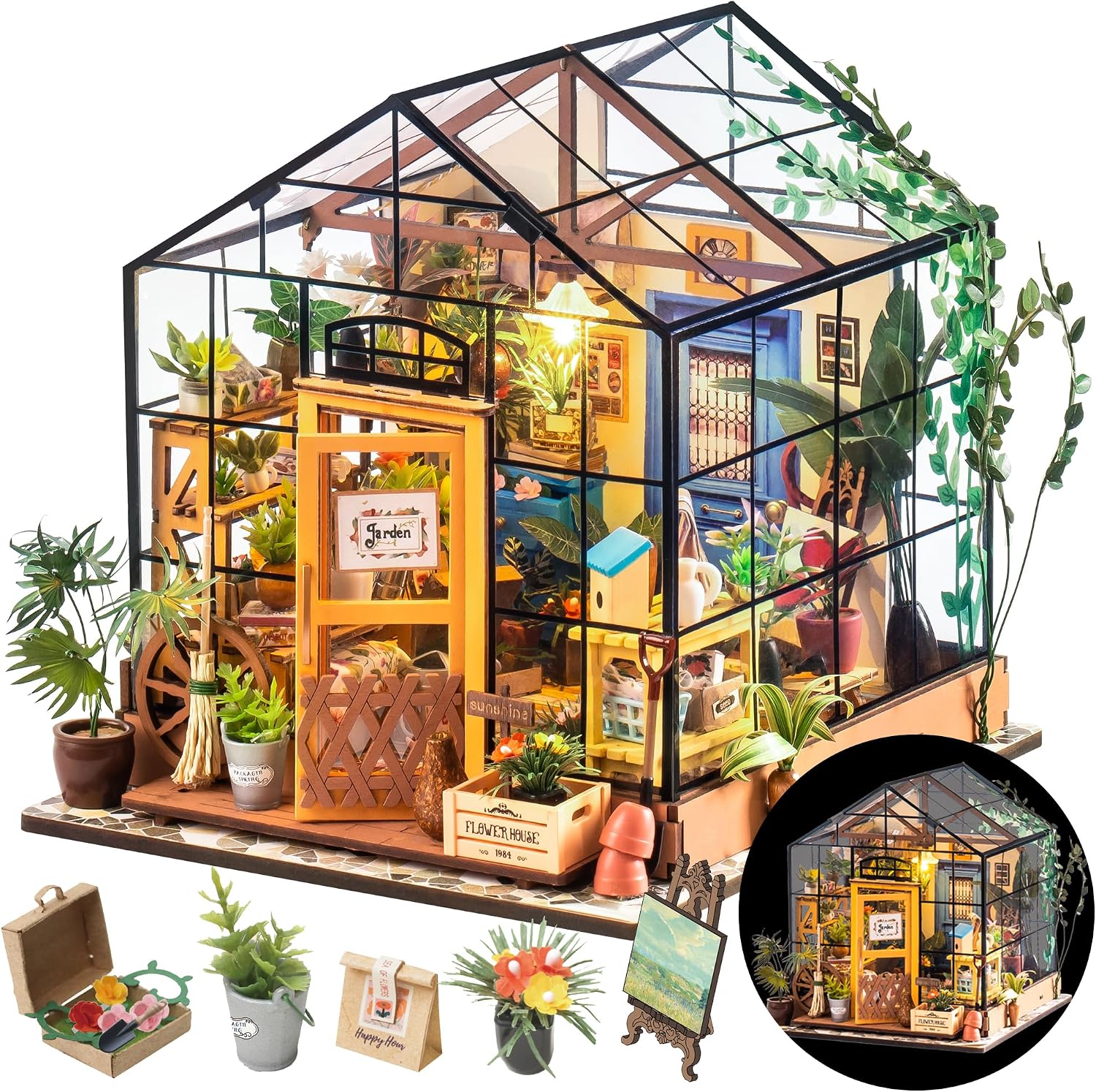
The Rolife DIY Miniature Greenhouse is not a painting project. It's a plant-building nightmare that will test your patience, not your airbrush skills. Skip it unless you're a glutton for punishment.
The Mistake That Taught Me Everything
The worst painting mistake I ever made was on the PG Unicorn Gundam. I spent 22 hours painting the inner frame in gold, carefully layering metallic paints and gloss coating each section. It was stunning. Then I snapped the armor on and realized that 95% of it was completely hidden.
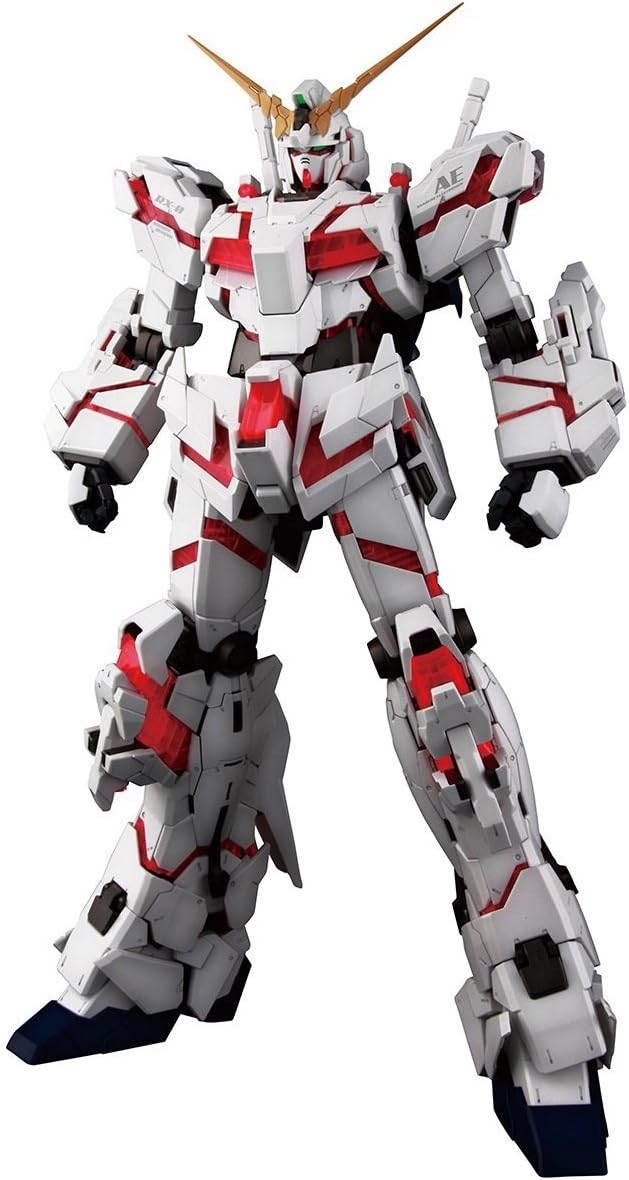
I had spent two weekends painting something nobody would ever see. The finished kit looks incredible from the outside, but I know what's underneath. And I'll never get those 22 hours back.
That's the lesson: the instruction manual tells you what parts are visible when the build is complete. Read it before you paint. I didn't, and I paid for it in hours I'll never recover.
The second worst mistake? Not thinning my paint. My first airbrushed kit looked like it had been dipped in mud. Every panel line was filled, every detail was obscured, and I had to strip the whole thing and start over.
So that's the guide. Thin your paint, read the manual, and don't spend 22 hours on a hidden inner frame. Your future self will thank you.