Model Kit Buying Mistakes: What 25 Years of Broken Wings Taught Me
Every kit box promises something. "Perfect for beginners!" "Expert-level engineering!" "Museum quality finish!" And every builder, at some point, has been burned by trusting that promise instead of their own gut.
 Visit on Amazon →
I've been burned plenty. I'm Kenji, and I've been building since I was eleven years old with a pair of scissors and an RX-78-2 that I butchered into something vaguely humanoid. Twenty-five years later, my backlog has roughly 40 kits in it, my hands still smell like plastic cement, and my wife has stopped asking about the spare room.
Visit on Amazon →
I've been burned plenty. I'm Kenji, and I've been building since I was eleven years old with a pair of scissors and an RX-78-2 that I butchered into something vaguely humanoid. Twenty-five years later, my backlog has roughly 40 kits in it, my hands still smell like plastic cement, and my wife has stopped asking about the spare room.
I've judged two local competitions, broken more parts than I want to admit, and I bought a kit three years ago that I'm still finishing.
This is not a list of "the best kits of 2026." This is the truth about the mistakes I keep making, and the ones I keep watching beginners make.
The Short List
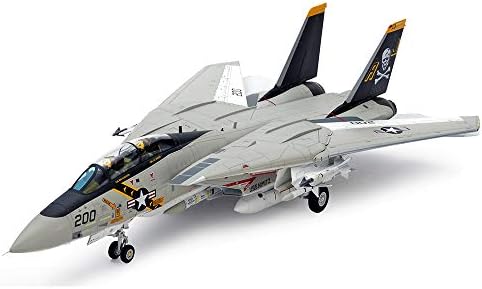
Bandai Hobby - Mobile Suit Gundam - #234 MS-06S Zaku II HGUC 1/144 Model Kit
Real character out of the box, teaches you to hate seams
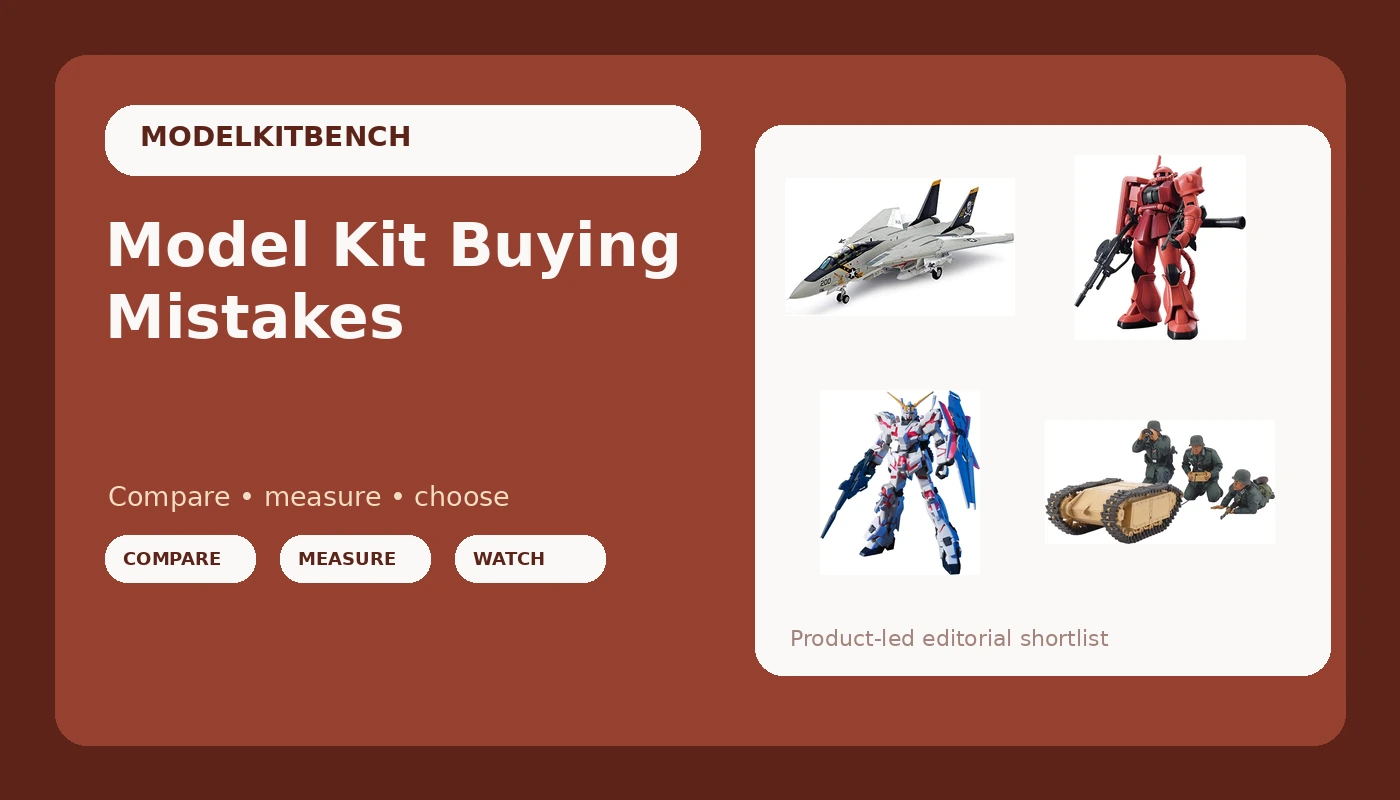
Visit on Amazon →1:48 Tamiya Grumman F-14A Tomcat Model Kit
The Grumman F-14 Tomcat is a supersonic, twin-engine, two-seat, variable-sweep wing fighter aircraft. The Tomcat was developed for the United States Navy's Naval Fighter Experimental (VFX) program fol
Visit on Amazon →
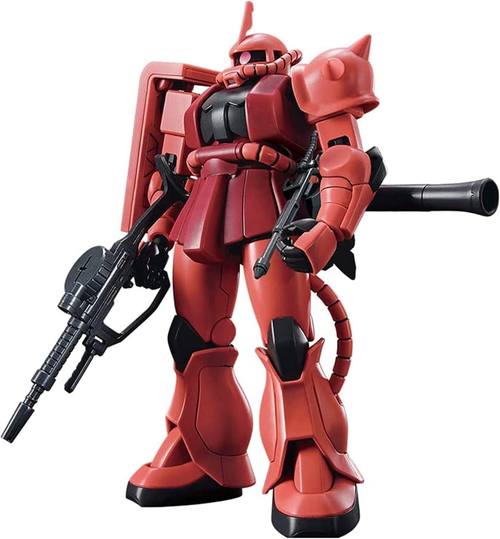
Bandai Hobby - Gundam UC - #100 Unicorn Gundam (Destroy Mode), Bandai Spirits HGUC 1/144 Model Kit
The inner frame actually matters here
Visit on Amazon →Bandai Hobby - Mobile Suit Gundam - #234 MS-06S Zaku II HGUC 1/144 Model Kit
Cheap, fast, perfect first HG
Visit on Amazon →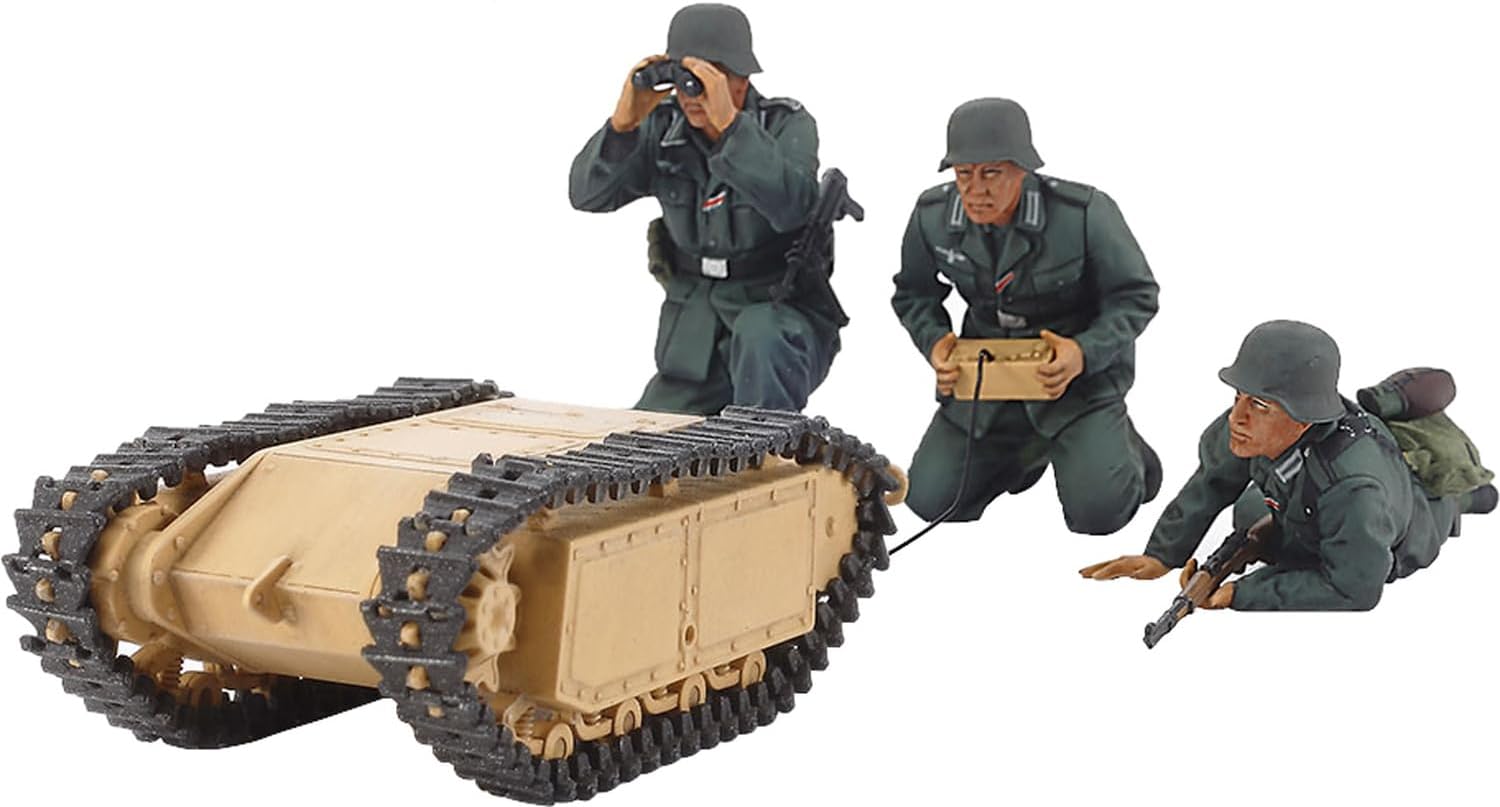

1/35 British 25Lb Gun & Quad
The Grumman F-14 Tomcat is a supersonic, twin-engine, two-seat, variable-sweep wing fighter aircraft. The Tomcat was developed for the United States Navy's Naval Fighter Experimental (VFX) program fol
Visit on Amazon →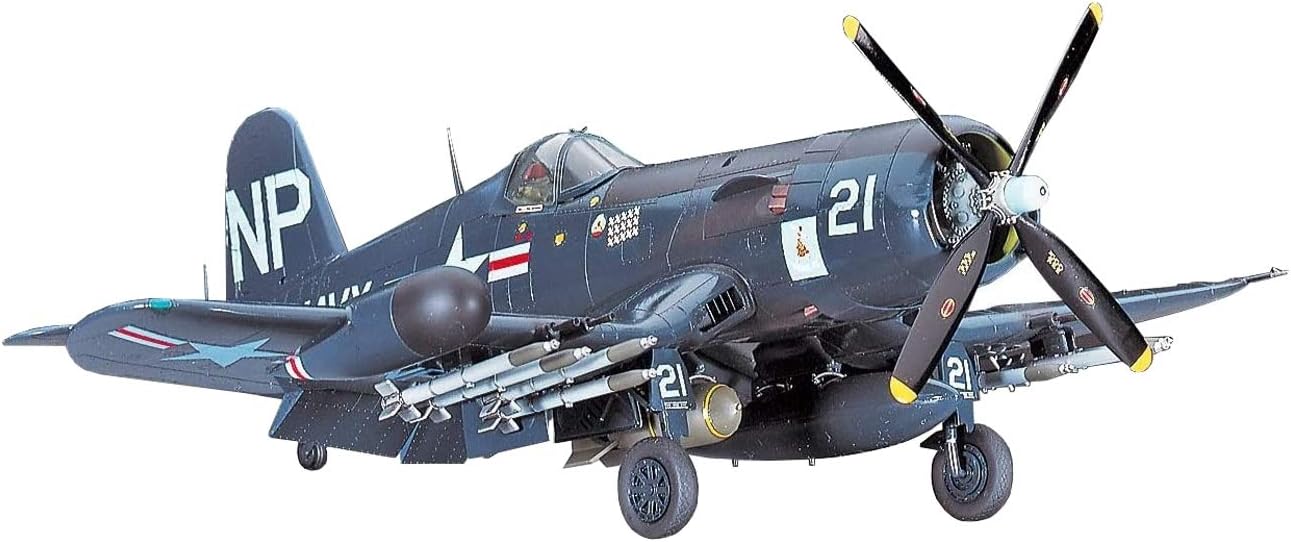 Visit on Amazon →
Hasegawa F4U-4 Corsair 1/48 | ~~$20 | Real cockpit detail for a sub-~$20 kit | Decals are a patience test |## How I Test (and Where I Get It Wrong)
I build every kit out of the box. No aftermarket parts. No paint unless it genuinely needs it and I want to add color. I keep a part-fit scorecard. I check seam lines honestly. I ask one question at the end: would I recommend you spend your money on this?
That's the rig. And it has limits. I don't track prices day to day, so I won't pretend to know whether the HGUC Zaku II will be ~$18 next month or ~$25. I check part fit on a wooden workbench in a converted spare bedroom while my cat Miso judges me from the corner. I do not work for Bandai. I have never received a free kit from a manufacturer. Every recommendation here is mine.
I also have a tendency to over-romanticize certain kits. I'll get to that.
Mistake 1: Believing the "Perfect for Beginners" Sticker
Let me tell you about the HGUC Zaku II . I love this kit. It's the kit I point beginners toward when they ask me where to start in the Universal Century timeline. The mono-eye moves under face armor, the proportions are gorgeous, and the green color separation is so good you don't even need to paint it. ~$21.
But here's the thing. The HGUC Zaku II is not a perfect first kit. The mono-eye decal placement is fiddly, and if you put it slightly off-center, you will notice it forever. The shoulder armor seam needs work or it shows. I tell beginners to start on an HG Aerial because the HG Aerial forgives you. The Zaku teaches you that forgiveness is not guaranteed.
The mistake isn't buying it. The mistake is believing the box. No kit box tells you about the fiddly parts. They list "snap-fit assembly" like that means anything for a kid holding nippers for the first time.
Mistake 2: Buying the Big One Before You Can Pose It
The Tamiya F-14A Tomcat 1/48 is ~$79, and the moment you open the box you understand where your money went. The engineering is ridiculous. The swing-wing mechanism actually works. The cockpit has detail that shows through the canopy. The fit is so good you'll feel guilty about every nub mark you leave.
It's also massive. The wingspan is 14 inches. The build takes me around 30 hours on a focused week. It's the kind of kit you can pose in mid-sweep and it actually looks like a Tomcat mid-sweep, which is the whole point.
The mistake I made with my first Tomcat was thinking I was done when I finished the build. I wasn't. I had to figure out the stand setup, the gear-down configuration, and the actual painting (Tamiya kits ship with surface detail that begs for paint). Half the fun is in the second 20 hours, and I almost skipped it.
If you're going to buy a 1/48 Tamiya aircraft, commit to the whole project. Don't impulse it on a Friday night.
Mistake 3: Trusting Color Separation Over Inner Frame
The HG Unicorn Gundam in Destroy Mode sits at ~$22, and it's the kit I recommend to anyone who wants to understand what an inner frame does. The psycho-frame is visible in Destroy Mode. The transformation actually clicks into place. The articulation is better than most MGs a decade ago.
I built mine in about 4 hours. The frame is the star of the show.
But here's the issue: the backpack. The Unicorn's backpack is heavy. If you don't pose it with the action base (sold separately, of course), it leans. I learned this in a competition I judged, watching a builder's Unicorn topple off a table edge because the base wasn't weight-balanced.
The mistake is assuming HG articulation means HG stability. It's not the same thing.
Mistake 4: Falling for the Cheap Kit
The HG F91 is ~$15. I bought one thinking I'd knock it out in a lunch break. Two hours later I had a small, charming, surprisingly fragile little kit sitting on my desk and a much better opinion of early-90s Bandai design.
The F91 is one of those kits where the engineering is over a decade old and shows it. The undergates are inconsistent. A few parts needed cleanup that I didn't expect at HG price. The stickers are fine, not great.
But it's cheap. It's fast. It's actually a really solid first HG if you can find one. The mistake is treating it as a "throwaway" kit. It's not. It's a real Gunpla kit that respects your time even when you only have two hours.
I keep mine on a shelf next to my MGEX. It belongs there. That surprised me.
Mistake 5: Ignoring That Vignettes Are a Whole Separate Hobby
The 1/35 German Assault Pioneer Team with Goliath is ~$21, and it's gorgeous. The figures are posed, the Goliath tracked mine is small and full of detail, and the whole kit is designed to drop on a base and look like a scene from a war film.
The track links are individual. Every. Single. One.
This is a kit where you build the rig, then you build the base, then you realize the base needs paint, then you realize the paint needs weathering, then you realize weathering requires pigments you've never used, and suddenly you're 30 hours deep and you haven't touched the figures yet.
The kit is a gateway. The mistake is thinking you're buying a tank. You're buying a diorama, and the diorama budget was always going to be bigger than you planned.
Same goes for the 1/35 British 25 Pounder at ~$34. Beautiful piece. Brass photo-etch included if you go full send. But the included photo-etch is "optional detail." There's nothing optional about a piece you can't realistically skip if you want it to look right.
Mistake 6: The Sub-$20 Trap (and Why I Fell For It)
The Hasegawa F4U-4 Corsair 1/48 is one of the cheapest kits in my collection at ~$20, and I bought one thinking it would be a quick weekend build. The cockpit is molded in color, not painted. The panel lines are crisp. The shape is correct in a way that older Hasegawa kits aren't always.
The decals are a patience test. The stencil work is fine. The national insignia is fine. The "kill markings" decal sheet has 40+ tiny pieces designed for a build you'll need to sub-assemble for accuracy. I spent more time on decals than on the cockpit.
But for ~$20? It's still a steal. Just know what you're getting: a real kit with a real price-time tradeoff.
Die-Cast Note (Briefly)
I also own two die-cast motorcycles I'm currently building . These are not model kits in the traditional sense. They're pre-built diecast with minimal assembly, more about the display than the build. They're fun, they look sharp on a shelf, and they're a different hobby entirely. I keep them on a separate shelf from the kits I built myself.
Not a mistake. Just a different lane.
The Real List (Stuff Nobody Tells Beginners)
Buy the nippers first. Not the plastic ones in the kit box. Buy a pair of Godhand or Tamiya nippers before you start. You'll save every nub mark from being a sanding project later.
Snap-fit is the test. A kit that snaps together cleanly without glue is engineering. A kit that needs glue for everything is work. Both are okay, but know which one you're buying.
Hidden internal details are real. If the inner frame is gold and covered by armor, the instructions will not tell you. Ask other builders in forums before you commit to a multi-day paint job.
The base is part of the build. No figure stands on its own forever, especially not one with a giant backpack.
Time is part of the price. A $20 kit that takes 8 hours is better value than a $20 kit that takes 4 hours, if the longer build is more rewarding. Do the math per hour.
Decals are not optional. If a kit ships with stickers and not water slides, budget for a third-party water-slide set if you care about the finish.
Photograph your build before you pose it. I learned this the hard way. Twice.
The Bottom Line
I've been wrong about kits for 25 years. The HG Aerial teaches beginners, the MGEX Strike Freedom punishes experts, and the cheap kit you bought on impulse might end up being the one you love most. The mistake isn't buying the wrong kit. The mistake is buying without knowing why.
Buy the kit because the engineering fits the time you have, not because the box told you it was perfect. ~$21 for a Zaku II that will haunt your display shelf for a decade. ~$79 for a Tomcat that will eat 30 hours of your life and reward every one of them. Spend the money when the engineering matches the project.
And buy good nippers. The rest is just kit boxes and shop class.