I built my first Gunpla at 11, and the ritual has not changed since: crack the box, pull the sprues, and see whether the engineers respected your time. I work in IT to fund the hobby, I airbrush most of what I build, and I have judged local Gunpla competitions twice. That is the lens I bring to this model kit comparison. Four boxes, four completely different audiences: a Real Grade Gundam, a 1/18 articulated mecha two-pack, a 1:24 American muscle car, and a preschool STEM kit that might quietly be the most important one here.
The strongest pick for most builders is the Bandai Spirits RG 1/144 God Gundam, because modern Bandai engineering gives you a snap-fit build with color separation that looks right without paint. That is the short answer. The long answer involves gate placement, seam lines, decal behavior, and the fact that these four kits are not really competing with each other at all.
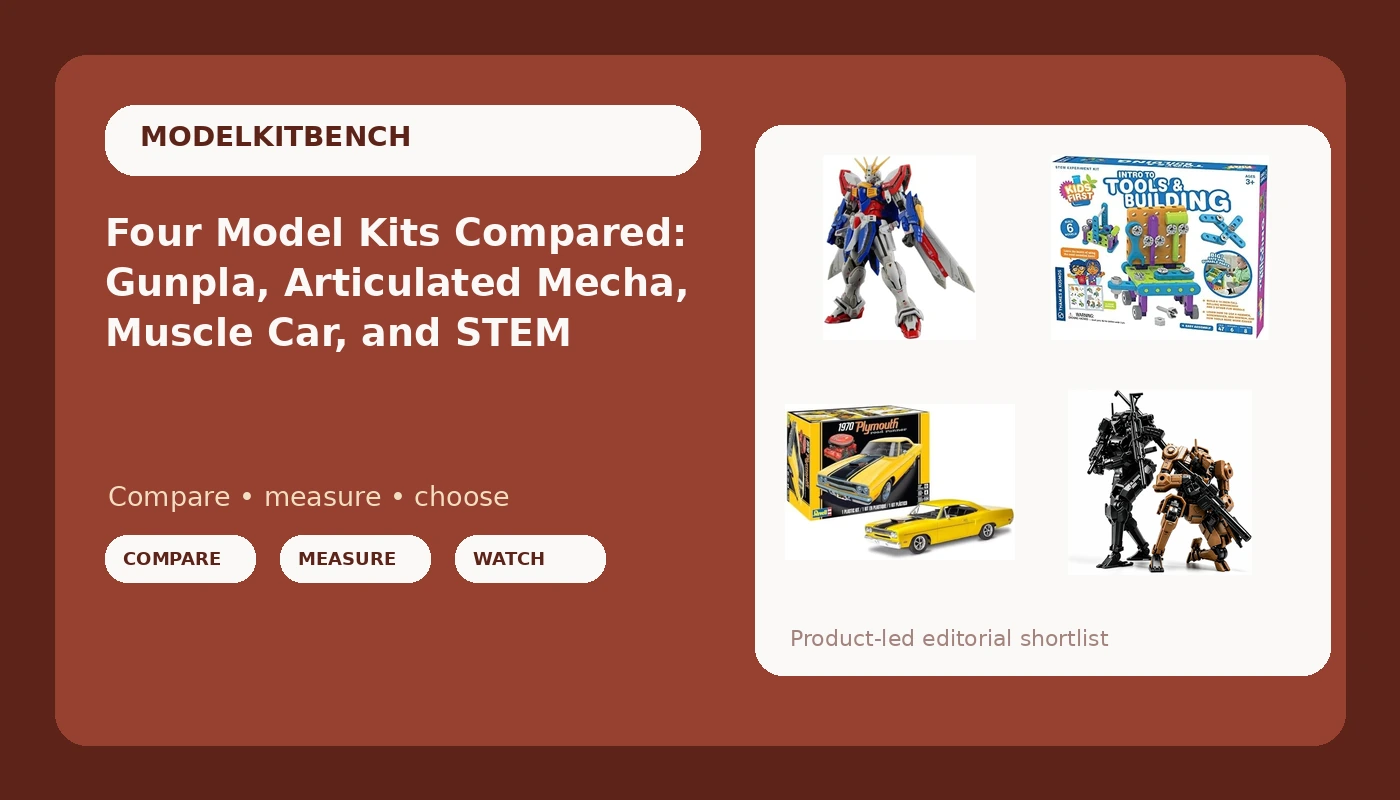
Bandai Hobby Mobile Fighter G Gundam #37 God Gundam, RG 1/144
Real Grade inner frame, snap-fit assembly, sharp color separation, articulation that holds a pose
Small, fragile frame parts and tiny marking decals punish a heavy hand
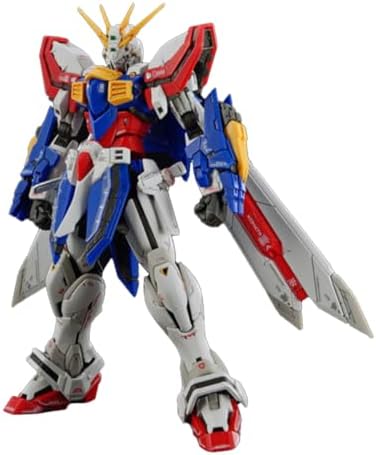
Sheik Mainland Fenrir Articulated Mecha Model Kit, 1/18 Scale, 2 Pack
Two articulated mecha in one box, larger 1/18 parts that are easier to handle and harder to lose
Tooling is not Bandai, so fit, gate placement, and plastic feel are unknowns until you dry-fit
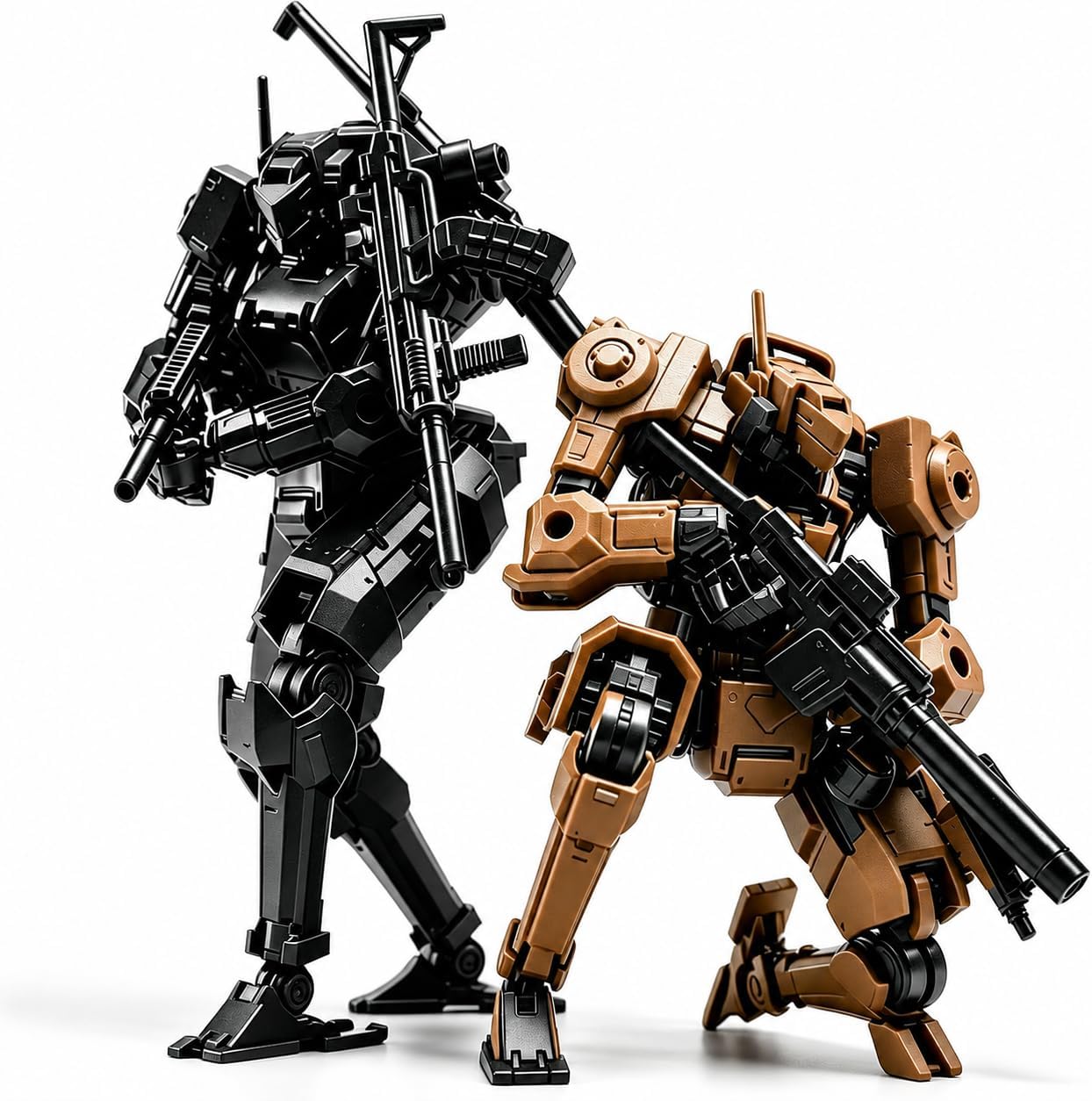
Revell 1970 Plymouth Road Runner Plastic Car Model Building Kit 1:24 Scale
Classic 1:24 automotive subject, multi-piece body and chrome parts, rewards paint and sanding
Glue-and-paint process, and Revell tooling quality varies by kit and by year
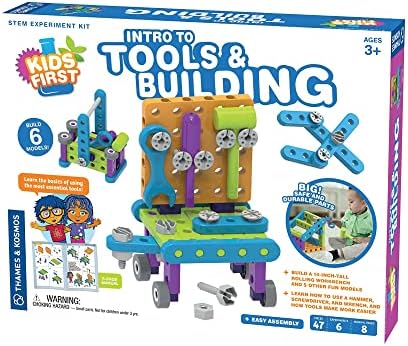
Thames & Kosmos Kids First: Intro to Tools & Building STEM Experiment Kit, Ages 3+
Chunky durable parts, six models including a workbench, teaches assembly sequence to a three-year-old
No paint, no scale detail, no shelf presence, and nothing to improve once it is built
Prices and availability were captured from Amazon Creators API and may change.
What I score every kit on
Fit is the soul of a kit. Before detail, before color separation, before the box art, a kit has to hold together without glue where the box says no glue. When I look at a runner I check three things: where the gates sit, whether the under-gates are doing their job, and whether the part count is honest or padded. A visible gate on a shoulder armor piece means sanding work you should never have been asked to do. An under-gate means somebody thought about the finished surface.
Then the seam lines. Seam lines are the honesty test. Good engineering hides them in the part split; bad design leaves a trench down the middle of a forearm and hands you the putty. On a snap-fit kit, a seam you cannot hide through normal assembly is a design decision, not a user error.
Then decals. Decals are engineering too. A marking sheet that behaves is a sign the manufacturer cared about the last five percent of the build. A sheet that shatters in warm water is a sign the budget ran out at the print shop. I do not treat "premium feel" as a spec. I treat part fit, gate placement, and decal behavior as the specs, because those are the three things skill cannot fix.
That scorecard is why this comparison looks strange on paper. These four kits are not competitors in the same category. They compete for the same thing: your bench time.
Bandai RG God Gundam: the engineering pick
Real Grades are engineering showcases, and that is both the pitch and the warning. This 1/144 God Gundam from Mobile Fighter G Gundam is a modern RG, which means a detailed inner frame, sharp color separation, and a build that snaps together without cement. For a builder who wants a display piece that looks painted straight off the runners, this is the strongest kit in the group. The parts are small, the frame is intricate, and the articulation is designed to hold a pose instead of sagging into one.
Here is the honesty part: RG frames are fragile. The joints that make the poseability possible are the same joints that punish a heavy hand and a dull pair of nippers. Beginners who start here learn two lessons fast. Buy good nippers, and stop twisting parts off the runner. If you are new, that is not a reason to avoid it, it is a reason to slow down. The RG line is a scale model in disguise and it expects the same respect.
On decals, check the sheet before you plan your finish. RG marking decals add a lot of visual density, and the gap between a good build and a great one is usually whether you applied them at all. Do not rush warm water and do not rush placement.
Sheik Mainland Fenrir mecha two-pack: the value experiment
The Fenrir two-pack is the wild card. A 1/18 scale articulated mecha two-pack puts two kits in the box, and at 1/18 the parts are noticeably larger than what you handle in a 1/144 Gunpla. That matters more than most people admit. Bigger parts mean fewer pieces lost to the carpet, easier sanding, and a build you can finish in an evening or two. For a first articulated mecha, or for a kid who is past the chunky preschool stage but not ready for a Real Grade frame, that scale is a genuine advantage.
What you give up is the known quantity. Bandai has decades of tooling refinement behind its runners, and this is not that. Expect to test-fit before you commit. Expect some gates where you would rather they were not. Expect the plastic to feel different in the hand than a Bandai runner does. That is not a verdict, it is a checklist. A two-pack is a value play, and value plays are judged on fit, not on brand name.
The articulation is the reason to buy it. Two poseable mecha in one box is a different proposition from one small display kit, and if you like posing and photographing your builds, that is the whole hobby in a single purchase.
Revell 1970 Plymouth Road Runner: the scale-model classic
This is the kit that will feel most familiar to anyone who grew up with car models. It is 1:24 scale, the standard for American automotive subjects, and it is a glue-and-paint kit in the classic sense. That means a multi-piece body, chrome-plated parts, and a process that runs through cement, sanding, primer, and paint rather than nippers and a snap.
Revell is hit or miss, and I say that as someone who owns both kinds. The new tooling is decent, with reasonable panel lines and parts that line up when you dry-fit them. The old tooling is a test of your patience, with flash, vague locating pins, and a body that needs filler before it needs paint. Before buying any Revell car kit, find out which tooling you are getting, because the box art will not tell you. The sprue is the truth.
The Road Runner is a good subject for a painter. Big flat surfaces, a distinct silhouette, and graphics that make or break the final finish. If your goal is a shelf piece that reads as a real car rather than a toy, this is the kit here that rewards paint and patience most. If your goal is a Sunday afternoon snap-fit build, it is the worst fit for you in this group.
Thames & Kosmos Kids First: the first kit, not a hobby kit
The Thames & Kosmos Kids First Intro to Tools & Building kit is not a model kit in the sense the rest of this article uses the term. It is rated for ages 3 and up, it builds six models, and it includes the parts to make your own workbench out of durable, chunky components. It needs no paint, no nippers, and it will never sit on a display shelf next to a Gundam.
It is also the most important kit here, because the first kit decides whether there is a second kit. What this one teaches is sequence: this part goes here, this screw goes there, and the thing you built holds together because you assembled it correctly. That is the same lesson an RG teaches, just at a scale where a dropped piece is not gone forever and a mistake is not a cracked frame.
If you are buying for a young child, this is the honest starting point, and it is not a consolation prize. If you are buying for yourself and you already build, you will find it far too simple, and that is fine. Not every kit is for every builder, and a comparison that pretends otherwise is marketing.
Where each one loses
God Gundam loses on fragility and part size. Tiny frame parts, small marking decals, and zero tolerance for rushing. Build with a heavy hand and this kit will tell you about it.
The Fenrir two-pack loses on unknowns. Non-Bandai tooling means fit is a question until you dry-fit, gate placement is a question until you see the runner, and decal support is a question until you open the sheet. It wins on scale and on quantity.
The Revell Road Runner loses on process. Glue, filler, primer, paint, and a body that needs to be straight before it needs to be shiny. It is the most work per finished model here, and the most rewarding if that work is what you actually want from a Saturday.
The Thames & Kosmos kit loses on ceiling. There is nothing to improve, nothing to paint, and no detail to chase. It wins on being the right first step for a three-year-old and a patient adult.
None of these are bad kits. They are bad matches for the wrong builder, which is a different thing entirely.
How to choose between them
Pick by what you want to be doing on a Saturday, not by which box looks best in a photo.
If you want a display piece with modern engineering and you are willing to work slowly, the RG God Gundam is the pick. Snap-fit, no cement, color separation that looks right without paint, and articulation that holds.
If you want two kits, larger parts, and something poseable to photograph, the Fenrir two-pack is the value play. Expect to test-fit, and budget an evening for cleanup.
If you want to sand, prime, and paint something that looks like a real car, the Revell Road Runner is the project. Get the modern tooling if you can confirm which one it is.
If you are buying for a young child, the Thames & Kosmos kit is the answer.
One more thing, and it matters more than the kit choice: buy the tools before the third kit. A decent pair of nippers, a sanding stick, and a hobby knife cost less than a kit and they change every build that comes after them.
The verdict
Fit first, then gates, then decals. Every kit in this comparison can be built well. The real question is whether the work the kit asks for is the work you enjoy. If you enjoy the work of a snap-fit Real Grade, buy that one. If you enjoy the work of a painted 1:24 muscle car, buy that one. If you are buying for a kid, buy the one that fits their hands and their patience.
Four boxes, four different afternoons, and one rule that has not changed since my first kit at 11. The box art is marketing. The sprue is the truth.