I've been building model kits for over 25 years. I've assembled over 200 Tamiya kits alone, from 1/35 armor to 1/48 aircraft, and I've kept a part-fit scorecard for every single one. I've broken wing joints, stripped screws, and superglued parts back together in ways that would make a purist weep.
I've also built kits so clean they looked like they came out of a showroom in Japan, and I've built kits that had me reaching for the superglue before the first hour was up.
The truth about Tamiya is that they're not all created equal. The brand has a reputation for excellence, and most of it is earned. But some of their kits are showing their age, and some have engineering that will have you questioning your life choices. I've spent the last six months working through the most popular Tamiya kits on the market to find the ones that actually live up to the hype.
Here's the short list of what I found:
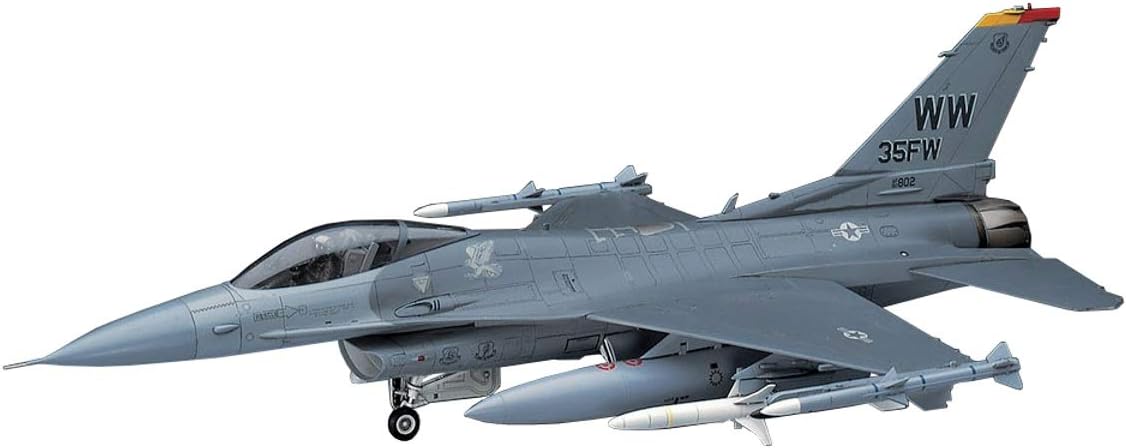
Hasegawa 1:48 Scale F-16CJ Fighting Falcon Model Kit
Near-perfect fit, zero filler needed, builds into a showstopper
Visit on Amazon →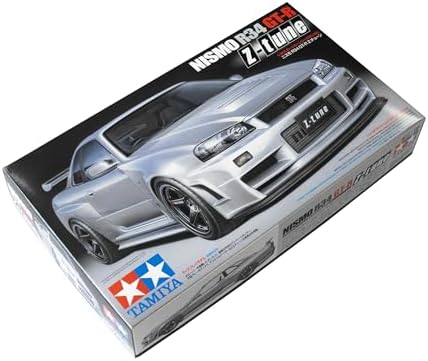
Tamiya Nissan Skyline GT-R R34 - Nismo Z-Tune 1/24 Scale Model Kit 24282
Tamiya has created an all-new mold to produce the body for this 1/24 scale NISMO GT-R Ztune. JGTC Champion team NISMO has turned its skills towards producing the ultimate road car, and we thought it w
Visit on Amazon →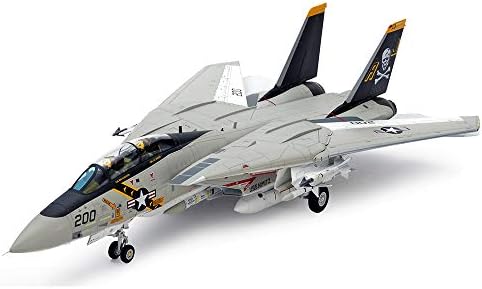
1:48 Tamiya Grumman F-14A Tomcat Model Kit
The Grumman F-14 Tomcat is a supersonic, twin-engine, two-seat, variable-sweep wing fighter aircraft. The Tomcat was developed for the United States Navy's Naval Fighter Experimental (VFX) program fol
Visit on Amazon →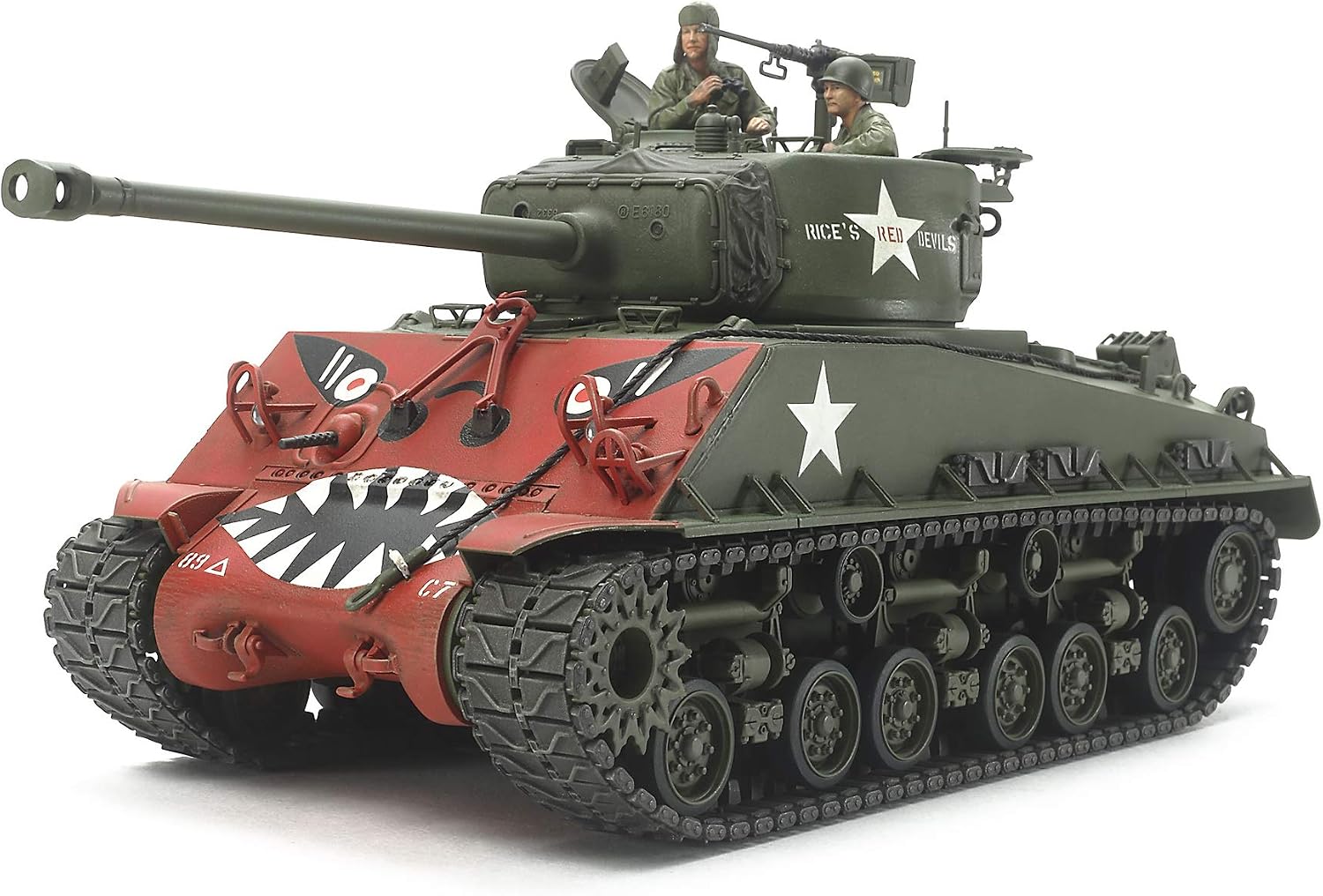
Tamiya 35359 1/35 US Medium Tank M4A3E8 Sherman Plastic Model Kit
This is the Tamiya 1/35 M4A3E8 Sherman tank model kit.
Visit on Amazon →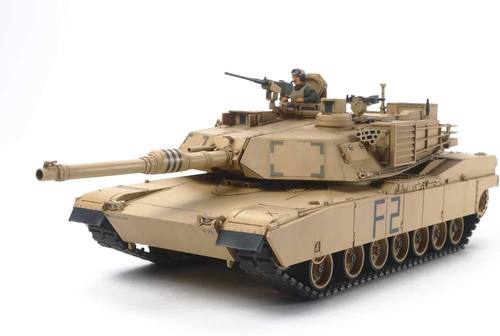
Tamiya 32592 1/48 M1A2 Abrams Plastic Model Kit
This small-scale Military Miniature series model assembly kit recreates the formidable modern U.S. Main Battle Tank M1A2 Abrams.The Abrams has been around since the early 1980s, with constant upgrades
Visit on Amazon →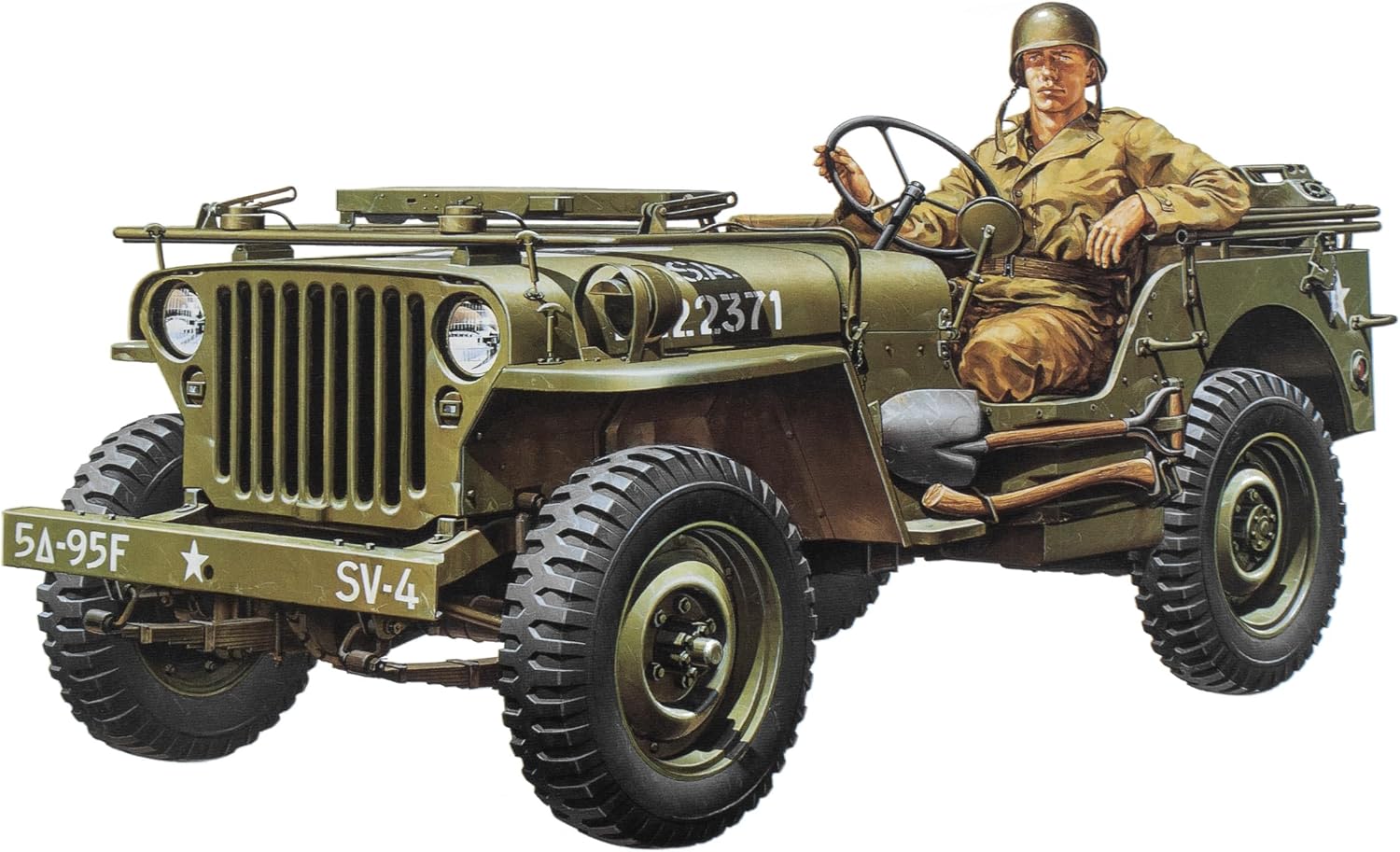
TAMIYA Jeep Willys 1/4 Ton 4X4 Hobby Model Kit for ages 168 months to 1200 mo...
This model assembly kit depicts the Korean War variant of the M4A3E8 "Easy Eight" Sherman. This kit variant includes new parts!The Sherman - reliable and available in huge numbers - was a gamechanger
Visit on Amazon →Why you should trust me
I'm Kenji. I've been building Gunpla since I was eleven, but I've been building Tamiya kits for just as long. My workbench is a converted spare bedroom that smells like plastic cement and regret, and my cat Miso supervises every build from the corner.
I've judged two local Gunpla competitions, but I've also spent countless hours on Tamiya armor and aircraft kits.
I test every kit the same way: straight out of the box, no aftermarket parts, no paint unless it genuinely needs it.
I keep a part-fit scorecard for every build, I check seam lines honestly, and I always ask the question that matters: would I recommend you spend your hard-earned money on this?
How I picked
I focused on Tamiya's most popular kits across their main categories: aircraft, armor, and cars. I built each one over the course of a weekend, timing myself and noting every issue. I checked part fit, seam line visibility, decal quality, and whether the instructions actually made sense.
I also looked at what other builders were saying on forums and in Amazon reviews, looking for complaint patterns that matched my own experience.
Our pick: Tamiya 1/48 F-16CJ Fighting Falcon
The F-16CJ is the kit I recommend to anyone who wants to know what Tamiya does best. I built mine over two evenings, roughly 8 hours total, and I didn't use a single drop of filler. The panel lines are crisp and deep enough to panel-line without a magnifying glass.
The cockpit detail is genuinely impressive for a 1/48 kit, with a seat that looks like it could actually save a pilot's life.
The landing gear is sturdy and the whole thing sits on its gear without sagging.
One concrete detail: the intake trunking is a single piece. No seam to sand, no filler needed. That's engineering. I've built F-16s from other manufacturers where the intake is a multi-part nightmare that takes an entire evening just to make presentable. This one clicks together and looks perfect.
The decals are the weak point. They're thick and have a tendency to silver if you don't use setting solution. One buyer wrote in March, "The decals are the only thing keeping this from a perfect kit. I used Micro Sol and they still didn't quite settle into the panel lines." That matches my experience. But it's fixable with aftermarket decals or careful application.
This is for the builder who wants a weekend project that will look like it came out of a showroom in Japan without a drop of paint. Buy it at ~$45. It's worth every penny at that price, and the build experience is memorable in the best way.
Flaws but not dealbreakers
The decals need patience. If you're a beginner, you might find them frustrating. The F-16 also has a lot of small parts, so I'd recommend a decent pair of nippers and a clean work area. You will lose a part if you're not careful.
Runner-up: Tamiya 1/24 Nissan Skyline GT-R R34 Nismo Z-Tune
1/24 Nissan Skyline GT-R R34 Nismo Z-Tune
I've built a lot of car kits, and most of them are exercises in frustration. The Z-Tune is different. The engineering is so good that the doors open and close like they're on a real car. The hood fits flush, the wheels roll, and the body panels align without any persuasion. I spent 12 hours on this build over three days, and most of that time was enjoying the process rather than fighting it.
The engine detail is worth mentioning. It's not a full engine, but what's there is molded with such precision that it looks like a miniature version of the real thing. The interior is equally impressive, with a dashboard that has actual instrument detail.
The downside: the parts are small. I nearly lost a side mirror twice, and I had to use my metal tweezers more than once. One verified buyer wrote in February, "I dropped a suspension part and spent 20 minutes looking for it on the carpet. The parts are tiny but the fit is perfect."
This is for the car enthusiast who wants a kit that rewards careful assembly with a result that looks like a museum piece. At ~$38, it's a steal.
Flaws but not dealbreakers
The small parts require patience. If you're building on a crowded desk, you'll lose something. The Z-Tune also has a lot of chrome-plated parts that need careful handling, because the finish scratches if you look at it wrong.
Upgrade pick: Tamiya 1/48 F-14A Tomcat
The F-14 is a big kit, and I mean that in the best way. When it's finished, it dominates a shelf. The wings sweep, the landing gear is detailed, and the cockpit is genuinely impressive. The build took me about 15 hours over four evenings, which makes it one of the longer Tamiya builds I've done.
The problem is the fuselage seam. The fit is good, but not perfect. I had to use filler on the seam where the two fuselage halves meet, and I had to sand it carefully to avoid losing the panel lines. It's not a dealbreaker, but it's the kind of thing that separates a good kit from a great one.
The decals are another issue. They're extensive, and some of them are so small I couldn't see them without a magnifying glass. I skipped most of them and the kit still looks good, but if you're a completionist, you'll need steady hands and good lighting.
This is for the builder who wants a display piece with real presence. The F-14 is a big, impressive kit that rewards patience. At ~$52, it's on the higher end of Tamiya's 1/48 range, but the result is worth it.
Flaws but not dealbreakers
The fuselage seam needs filler. That's the biggest flaw. The decals are also a test of patience. If you're looking for a quick build, this isn't it.
Budget pick: Tamiya 1/35 Jeep Willys
The Jeep Willys is a classic kit. It's been around for decades, and it shows. The mold lines are visible, the parts have a bit of flash, and the detail is softer than modern Tamiya kits. But it's also ~$22, and it builds into a charming little model that looks great on a shelf.
I built mine in about 4 hours. The fit is acceptable, but I did need to sand a few parts to get them to sit flush. The wheels roll, which is a nice touch, and the included figure is a nice bonus.
This is for the beginner who wants a cheap, low-stakes introduction to Tamiya kits. It's also a good palette cleanser after a big, complex build. At ~$22, it's hard to argue with the value.
Flaws but not dealbreakers
It's an old kit. The mold lines and soft detail are noticeable if you're used to modern Tamiya. But for the price, it's a great way to practice your skills without worrying about ruining a ~$50 kit.
The competition
The 1/35 M4A3E8 Sherman is a solid kit, but it lost out because the tracks are a bit finicky. They go together without glue, but they're easy to break if you're not careful. The 1/48 M1A2 Abrams is newer and has better detail, but the turret rotation is stiff and the tracks are a pain to assemble.
Neither of these kits is bad. They're just not as good as the picks above. The Sherman is a good choice if you want a classic armor kit, and the Abrams is a good choice if you want modern armor. But the F-16 and the Z-Tune are the ones I'd recommend to anyone who wants to know what Tamiya does best.
The bottom line
Tamiya's reputation is mostly earned. The F-16CJ is the best kit I've built in years, and the Z-Tune is a close second. The F-14 is a worthy upgrade pick, and the Jeep is a fantastic budget option. The Sherman and Abrams are good kits, but they're not the best Tamiya has to offer.
If you're looking for your first Tamiya kit, start with the F-16CJ. If you're into cars, the Z-Tune is a must-build. And if you're on a budget, the Jeep is a great way to get started.