I keep a short bench on purpose. Four projects can sit on it at once, and anything that does not earn its footprint gets sold, gifted, or retired to the closet of shame. So when I sit down for a model kits and modeling supplies comparison, I am not ranking thumbnail appeal. I am asking which product survives contact with a real workbench: a snap-fit robot, a motorized brick engine, a paint set, and one item that is not a model kit at all.
That last one is the Spigen front emblem for the Tesla Model Y. I will get to why a 1:1 scale car part belongs in a conversation about 1/144 scale robots, and I think the answer is more honest than the usual filler.
Related: Gundam Grades Explained: HG vs RG vs MG
The best pick for most builders in this group is the Bandai Hobby G Gundam #42 Shining Gundam RG 1/144, because it is the only traditional snap-fit plastic kit here and Real Grade engineering is the most interesting thing Bandai does at that size. The diesel engine set is the better gift for a teenager who wants to watch something move. The paint set is the better buy for someone with three unfinished kits already on the shelf. The emblem is for a different kind of builder, the one whose model has a VIN.
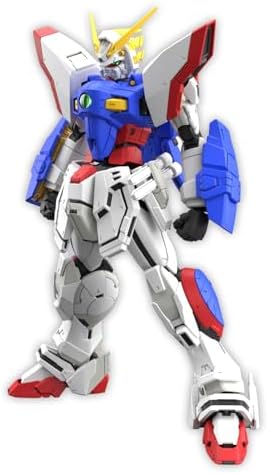
Bandai Hobby G Gundam #42 Shining Gundam RG 1/144
Real Grade detail at 1/144, strong color separation, the most rewarding build in the group
Small parts and tight joints punish heavy hands, wrong first kit for a beginner
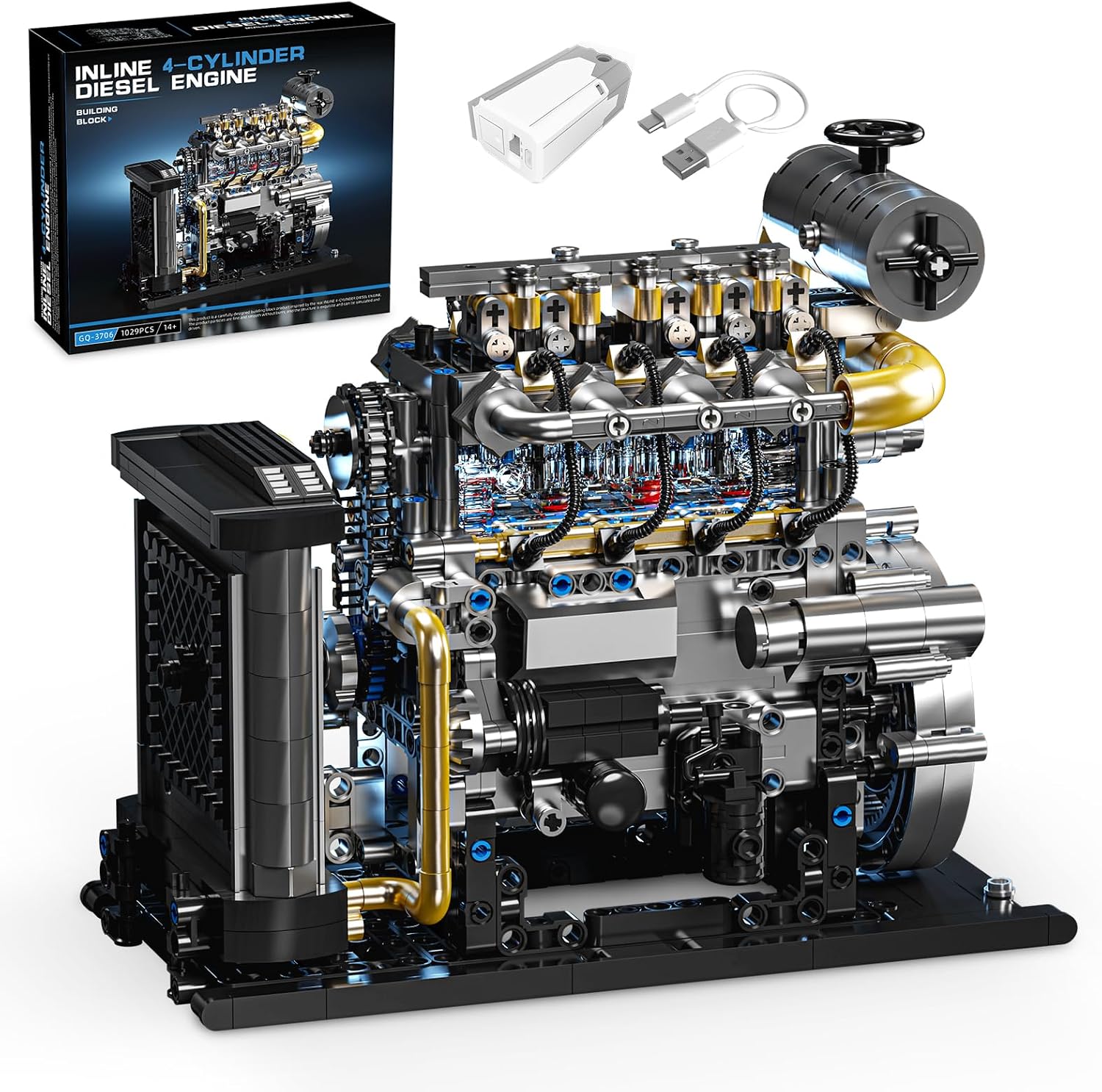
Diesel Engine Model Kit, Inline 4-Cylinder Building Set with Motor (1029 PCS)
1029 pieces, a motor, and moving internals teach mechanics fast, works with bricks you already own
Brick aesthetics clash with painted scale models, function depends on careful assembly
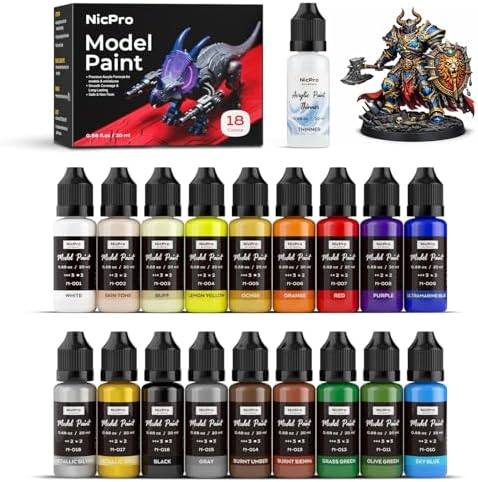
Nicpro 30 Colors Model Paint Set, 20ml Acrylics
30 colors, ready to use, no thinning math before your first stroke
20ml bottles run dry on large surfaces, you still need primer and brushes
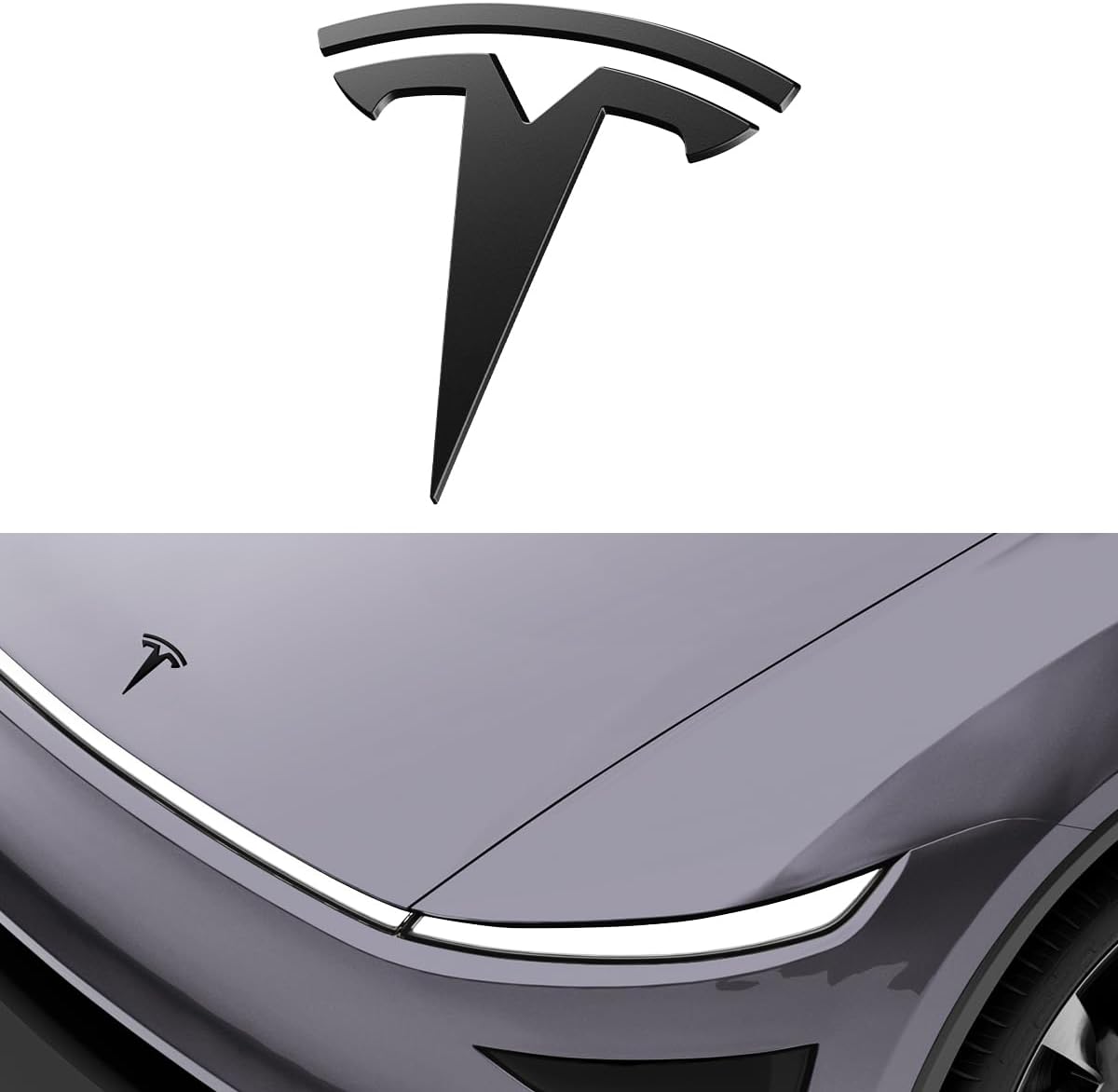
Spigen Front Emblem Hood Ornament for Tesla Model Y Juniper and Model Y L
Modeling at 1:1, a cheap visual change with a big return on the front end
Not a kit, nothing to build, useless if you do not own the car
Prices and availability were captured from Amazon Creators API and may change.
How I decide what earns bench space
Four questions, in order. Does it fit without glue? Where are the gates? Do the decals behave? Would I build it again for fun? Those four cover most of my verdicts on plastic kits, and they translate better than you would expect to the rest of the hobby.
The first question is the soul of it. A kit that needs glue where the box promises snap-fit is a bad kit no matter how good the surface detail looks. The second question is about work you did not sign up for. A gate placed on a visible surface means putty, sanding, and a repaint of a part that should have been clean out of the runner. The third is engineering, not luck. Waterslides that shatter in warm water are a design failure, and I will say so every time. The fourth is the only one that matters long term. If I would not build it again, I do not recommend it.
I will be straight with you about one thing before we go further. I have not run a full build on every product in this group yet. My read on the Gundam kit comes from the Real Grade line's engineering, which I know well, plus the specs the listing actually states. The engine set, the paint set, and the emblem I am judging on category experience and on what each product claims to be. When I call a kit beginner friendly, it is because I built it without tools. I am not handing out that label here.
Bandai Hobby G Gundam #42 Shining Gundam RG 1/144
Real Grade is the grade I point people toward after two or three High Grades, when they want to see what modern tooling can do. The pitch is simple: Master Grade level detail at 1/144 scale, built on an inner frame that moves the way the animation suggests it should. Shining Gundam, the lead machine from G Gundam, is a good candidate for that treatment because the design is lean and melee focused. There is not much to hide behind. Either the proportions work or they do not.
What the grade wins on is color separation and part count. Bandai's under-gate work at this scale is genuinely impressive, and the marks left by the runner are mostly tucked under the part where they belong. Panel lines at 1/144 are shallow, so a single pass of ink does most of the work and a light wash handles the rest. That is a kit you can finish with a marker, a knife, and patience, and have it look intentional on the shelf.
What it loses on is fragility. Every Real Grade I have handled has joints that are tight when new and looser after a year of posing, and the small parts punish heavy hands. That is the honest trade. You are buying engineering, not durability. Pose it once, put it on the stand, and leave it alone.
If this is your first kit, it is the wrong entry point. Start with a High Grade, learn to sand a nub flat without gouging the plastic, then come back. If you already have a few builds behind you, this is the most interesting purchase in this article.
Diesel Engine Model Kit, 1029 pieces
This is the odd one, and I mean that as a compliment. It is a brick-based inline four-cylinder diesel engine with a motor, 1029 pieces, compatible with the bricks already sitting in your bin. It runs.
The appeal is mechanical rather than aesthetic. You are not sanding seams or chasing a color chart. You are building a crankshaft and watching pistons move because you flipped a switch. For a teenager who has never cared about a Gundam, that is a far better on-ramp into the hobby than a box of gray plastic and a sheet of instructions in a language you do not read.
The trade-off is display. Brick kits have that stud-and-tube look, and next to a painted scale model they read as toy. That is not a flaw, it is a genre. Just know which shelf you are putting it on before you buy it.
The second trade-off is that assembly quality drives function. A brick engine that binds is usually a builder problem, not a parts problem, so slow down at the rotating assembly and check your clearances before you close the block. That is the whole lesson of the kit, honestly.
The third thing to check: what powers the motor. The listing describes a motor and a running build, so read the power details before you order, because that is the difference between a weekend project and a project plus a shopping trip.
Nicpro 30 Colors Model Paint Set
Paint is the force multiplier of this hobby. A mediocre kit with a clean paint job beats a great kit left in bare plastic every single time, and the reason most people never start painting is that the entry cost feels bigger than the kit itself.
Thirty colors at 20ml each, ready to use, is a reasonable answer to that problem. Ready to use matters more than the color count. It means no thinning math before your first stroke, which is exactly where beginners quit. You open a bottle, load a brush, and put color on a part.
What it wins on is breadth for the money and enough volume to finish several kits if you are hand brushing. Hand brushing is also the correct starting point. An airbrush is a second purchase, not a first one, and you should learn how paint behaves before you learn how to thin it for a nozzle.
What it loses on is volume per bottle. Twenty milliliters is small, and a large surface like a mobile suit shield will drink it faster than you expect. Acrylics also want a primer to bite into bare plastic, so budget for that separately instead of assuming the set is a complete finishing system. And thirty colors is not thirty colors you will actually use. Read the color list before you buy if you need metallics or a specific faction color.
One more thing worth saying: the order of operations matters more than the brand. Primer, base color, detail, panel line, clear coat. Get that sequence right with modest paint and your kit will beat a rushed job with expensive paint.
Spigen Front Emblem Hood Ornament for Tesla Model Y Juniper and Model Y L
Here is the honest case for this one. It is modeling at 1:1. Fitment, alignment, surface prep, and a clean install are the same skills you use on a 1/144 scale kit, just with a much bigger canvas and a much more expensive model underneath.
If you own a Model Y Juniper or a Model Y L and you want a front end that looks deliberate instead of stock, this is a low-effort change with a real visual return. Emblem swaps have been one of the oldest tricks in car modification for decades, and for good reason. They change the read of the whole front fascia for very little money and about an hour of work.
What it loses on is that it is not a kit. There is nothing to build, no part fit to score, and none of the skills transfer back to plastic. If you do not own the car, it is a paperweight. Fitment also matters more than the product photo suggests, so confirm your exact trim and model year before ordering, and clean the mounting surface properly. A crooked emblem on a clean car is worse than no emblem at all.
The trade-offs, side by side
Time is the first axis. The Gundam kit is a multi-evening build if you sand nubs and panel line properly, and it will eat a weekend if you decide to paint it. The engine set is a long afternoon with the manual. The paint set is not a project at all, it is an upgrade to a project you already have sitting on the shelf. The emblem is about an hour including prep and cleanup.
Tools are the second axis. The Gundam kit wants nippers and a hobby knife at minimum, plus a panel line marker if you care about the recessed detail. The engine set wants nothing but your hands, patience, and a flat surface. The paint set wants brushes, primer, and somewhere to let parts dry without a cat walking through them. The emblem wants a clean surface and a steady hand.
Skill is the third axis. Highest ceiling and highest floor: the Real Grade. Lowest barrier to entry: the engine set. Most transferable to everything else you will ever build: the paint set. Most situational: the emblem.
Cost per hour of enjoyment is the fourth, and it is where the engine set quietly wins. It is the longest build in the group relative to what you spend, and it is the one a non-hobbyist will actually finish.
Which one should you actually buy
If you have built a couple of High Grades and want the most interesting kit in this group, buy the Shining Gundam Real Grade. It is the purest hobby purchase here, and it is the one that will still be on your shelf in five years.
If you are buying for a teenager who has never built anything, buy the diesel engine set. The motor does the convincing that a box of parts cannot, and the mechanical lesson sticks.
If you already have a backlog and no paint, buy the Nicpro set. It upgrades every kit you own instead of adding a fifth box to the pile, and that is a better use of the same money.
If you have a Model Y and a detail habit, buy the emblem. It is the simplest way to make the front of that car look finished rather than stock.
If you can only buy one thing and you are brand new to the hobby, I would still point you at a High Grade kit before any of these four. That is not a knock on this group, it is just the correct first step, and I would rather tell you that than take the sale.
What I am working on next
I have a Real Grade part-fit scorecard running on this year's releases, tracking seam lines at the shoulders and knees, which is where modern tooling usually hides its worst work. I am also testing whether a brush-only paint setup can carry a full mobile suit, because most people reading a model kit site are not buying an airbrush this year, and the advice should match the bench they actually have.
Final word: the best product in this comparison is the one that matches the bench you already own. For most builders reading this, that is the Real Grade. For everyone else, this list has a lane.