I keep a scorecard for every kit that crosses my bench: part fit first, gate placement second, decal behavior third, and one last question no spec sheet answers, which is whether I would build the thing again for fun. That scorecard is why I treat snap-fit model kits as a category instead of a brand loyalty exercise. Four very different items landed in this comparison: a modern Bandai HG Gundam, a BLOKEES Iron Man that promises no tools and no glue, an ELEGOO robot car that is really a robotics course in a box, and a book about perfectionism that has more to do with this hobby than its cover art suggests. Two of these are plastic kits, one is electronics, and one is a paperback. Working out which one belongs on your bench is the entire job here.
For most people the safest pick is the Bandai HG GQuuuuuuX, because modern HG kits are the best value in the hobby and 1/144 scale keeps both the parts count and the shelf space reasonable. The BLOKEES Iron Man is the better call if you want to assemble something at the kitchen table with zero tools. The ELEGOO car is for the builder who wants wires and code instead of plastic. The book is for the builder who cannot stop re-sanding a nub nobody else can see.
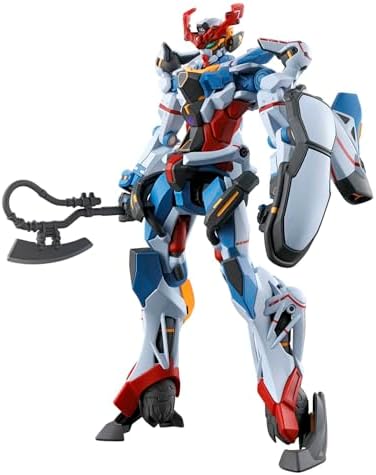
Bandai Hobby Mobile Suit Gundam GQuuuuuuX #1 HG 1/144 Model Kit
Modern HG engineering, snap-fit joints, color separation good enough to skip paint
Small 1/144 parts mean small nubs, so you need nippers and patience
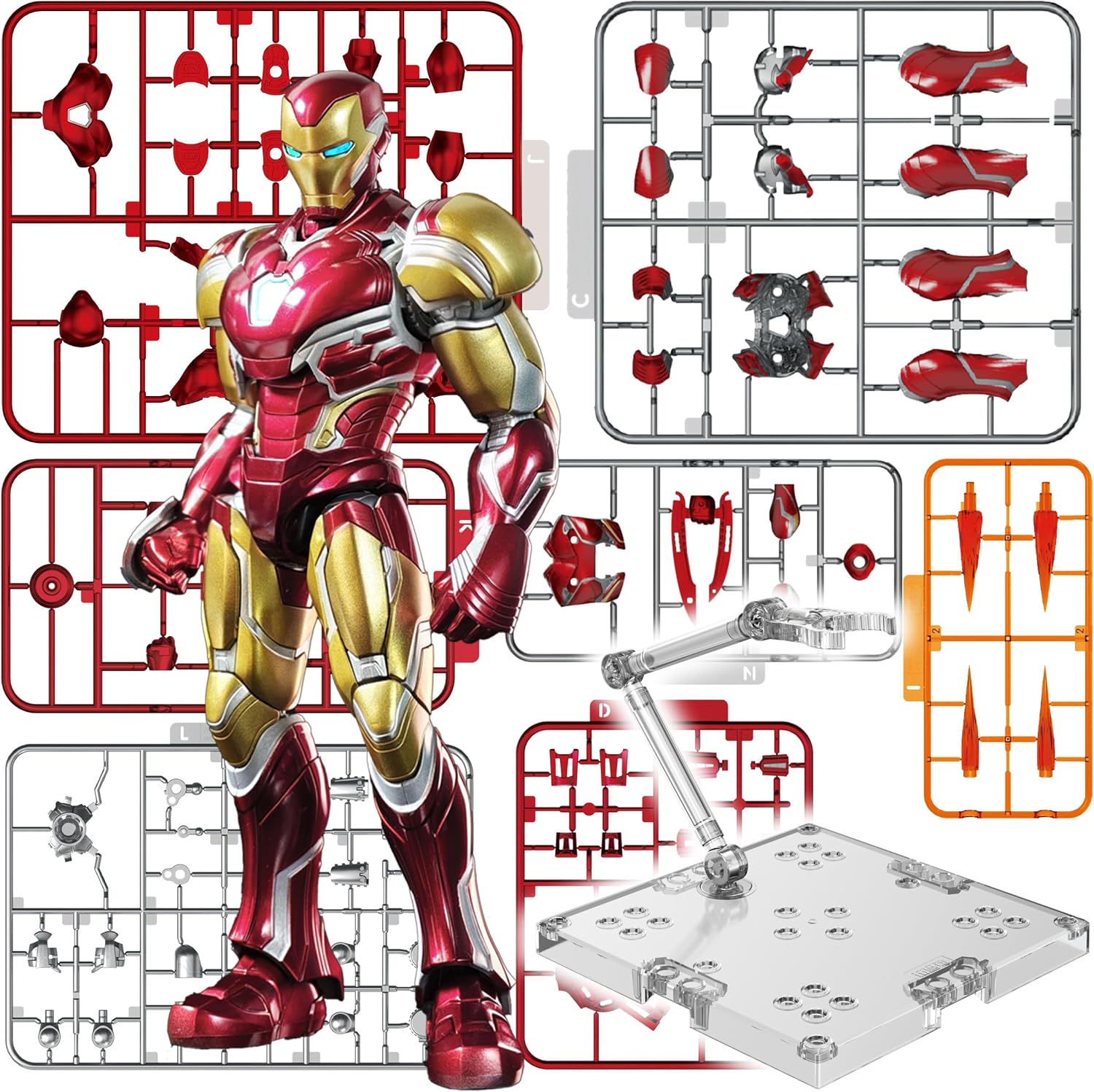
BLOKEES Champion Class Marvel Infinity Saga Iron Man 149-Piece Articulated Model Kit
No tools, no glue, no paint, and articulation out of the box
Licensed snap-fit tolerances are not Bandai tolerances, and 149 pieces means simplified detail
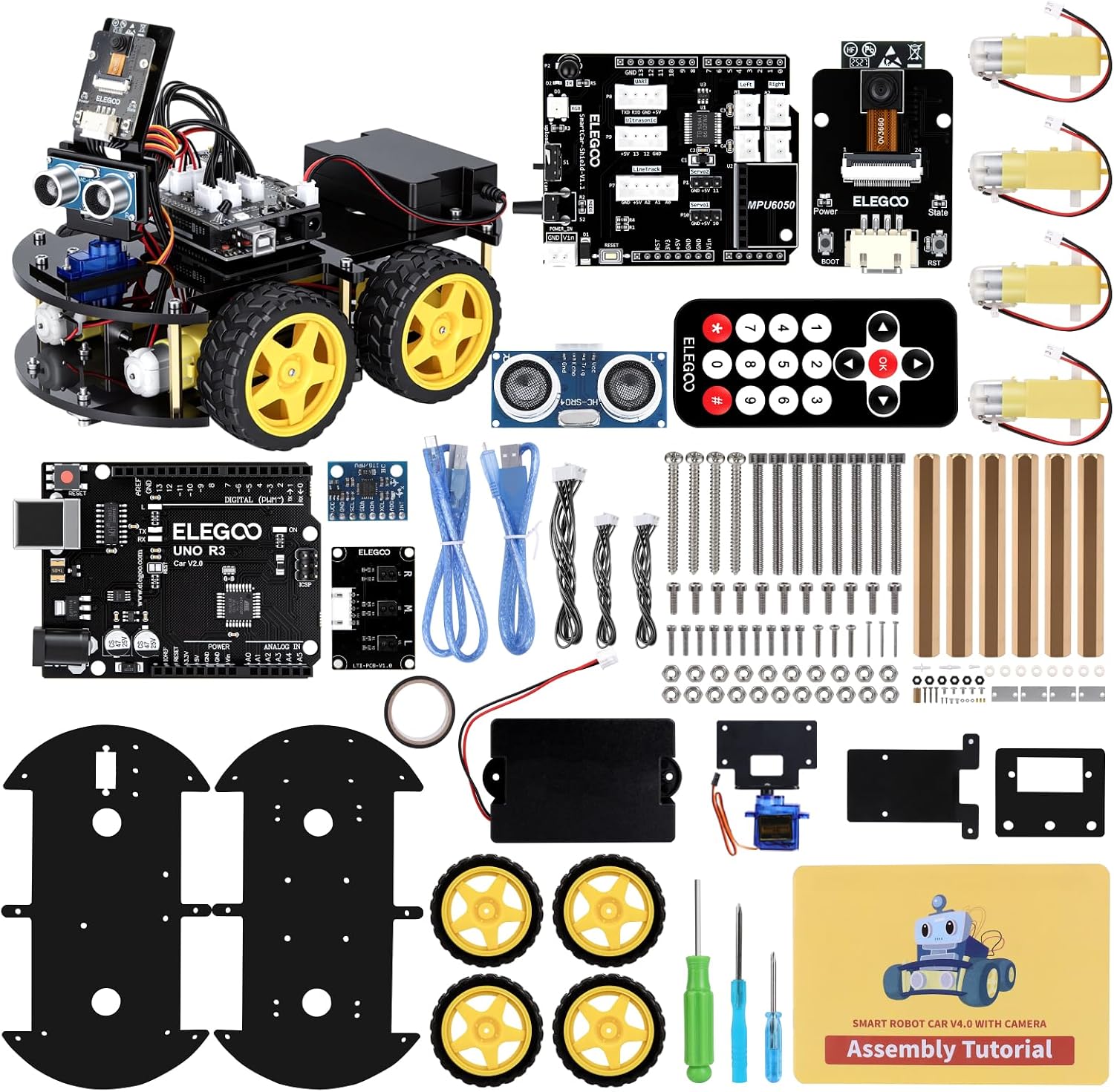
ELEGOO UNO R3 Smart Robot Car Kit V4 with Camera
Teaches wiring, motors, and code on an Arduino-compatible board with a camera
It is a coding project, not a plastic kit, and cable management is real work

You Will Make Mistakes: Discovering God's Grace in the Midst of Perfectionism
Addresses the perfectionism that kills more builds than bad tools ever do
Not a kit. No sprues, no runners, nothing to assemble
Prices and availability were captured from Amazon Creators API and may change.
How I score a kit
Every kit I judge gets the same four questions, and none of them are about box art. Box art is marketing. The sprue is the truth.
- Does it fit without glue? Snap-fit is the standard now. If the box says no glue and the shoulders disagree, that is a design failure, not a skill issue.
- Where are the gates? Gates sitting on a visible surface mean extra sanding and a higher chance of a scar. Under-gates are the mark of a company that thought about the person holding the nippers.
- Are the decals usable? A waterslide that shatters in warm water is cursed, and no amount of patience rescues a bad print run.
- Would I build it again for fun? This is the honest one. A kit can score well and still be a chore.
Full transparency: this is a buying comparison, not a build log. I am working from the spec sheets, from grade standards I have been building against for years, and from the questions I ask before I spend my own money. Where a claim depends on something I have not held in my hands, I say so instead of pretending.
Bandai HG GQuuuuuuX: the grade standard
Bandai's HG line is the reason I tell beginners to start with high grade. Snap-fit joints, color-separated plastic, and engineering that usually hides its own seams. This GQuuuuuuX is a 1/144 kit from the Mobile Suit Gundam GQuuuuuuX side of the franchise, and 1/144 is the scale I recommend to anyone with limited shelf space and a limited budget.
What it wins: a modern HG is the best value in the hobby. You get a poseable kit that fits like it was designed by someone who has actually built one. The plastic is consistent, the joints are tight out of the box, and the color separation means you can skip paint entirely and still get something that reads like the box art. One pass of panel line ink and it pops. That is the whole upgrade path, and it costs you a marker.
What it loses: 1/144 scale is small. Small parts mean small nubs, and small nubs are exactly where beginners scar plastic. Budget for a decent pair of nippers and a sanding stick. The HG grade also will not hand you an inner frame or the mechanical density that RG and MG buyers chase. That is not a flaw, it is the trade you accept for price and build time.
BLOKEES Iron Man: no tools, no glue, no paint
The BLOKEES Champion Class Iron Man is a 149-piece articulated kit sold on a promise: no tools, no cutting, no glue, no paint, age 14 and up. That is a specific claim, and it is the one I check first, because my biggest pet peeve is a kit that needs glue where the box says no glue.
What it wins: the barrier to entry is close to zero. Parts that snap off the runner by hand and click together mean you can build this on a coffee table with no nippers, no hobby knife, and no cutting mat. Articulation means it can hold a pose, which is more than plenty of display-only licensed kits manage. For a Marvel fan who has never touched a model kit, a 149-piece build is a reasonable first project: big enough to feel like a real build, small enough to finish over a weekend.
What it loses: hand-snapped parts leave rougher nubs than nippers do, and licensed kits live or die on their engineering. Snap-fit tolerances in this price band are not Bandai tolerances, and if a joint comes loose out of the box there is no glue step to rescue it without breaking the no-glue promise. A 149-piece count also means fewer parts, so expect simplified detail next to a Gundam of similar size. It is a display piece and a good afternoon, not a competition entry.
ELEGOO UNO R3 robot car: the odd one out
The ELEGOO UNO R3 Smart Robot Car Kit V4 is not a plastic model kit, and pretending otherwise would be dishonest. It is a robotics platform built around an Arduino-compatible UNO R3 board, and it includes a camera. You assemble a chassis, mount motors and wheels, wire the sensors, and then upload or write code to make the thing drive.
What it wins: it teaches a different skill set with the same hands. If you love the assembly half of this hobby but have ever wondered how the electronics side works, this is the natural crossover. Wiring, motor control, and camera modules are all part of the build, and the Arduino ecosystem means the learning material is everywhere. It also survives a lot more handling than a painted kit does, which matters if there is a kid in the house.
What it loses: it is a coding project as much as a building project. If you want a quiet evening of nippers and sanding sticks, this is not that. Cable management is real work, and a car that will not move is a debugging session, not a modeling session. There are no nubs to sand, no seams to hide, and no panel lines to run. And the honest warning: if you buy this expecting a plastic kit, you will know it within ten minutes of opening the box.
The book: perfectionism is a modeler's problem
You Will Make Mistakes is a book about perfectionism and grace, and I know exactly why it turned up in a comparison about model kits. This hobby is a perfectionism trap with a compressor attached. I have watched builders scrap a fully painted kit over one visible seam, and I have been that builder. A judge once told me my first competition entry was "brave," and I spent a month deciding whether that was a compliment.
What it wins: it addresses the part of the hobby that never makes it into a build log, which is the mental game. Accepting a scarred nub, a decal sitting half a millimeter off, or a paint job that did not lay down the way you planned is a real skill. It is the difference between a hobby that lasts twenty years and a shelf of abandoned projects. If you are the type who re-sands a part nobody will ever see, this is cheaper than another kit you will never start.
What it loses: it is not a kit. No sprues, no runners, no parts. If you are shopping for something to build this weekend, this is not it. It is a companion read for the bench, and it works best with a project already in front of you.
The trade-offs nobody puts on the box
Price is the easiest thing to compare and the least useful. All four of these sit in a range where the real cost is your time, and the time costs are wildly different. A 1/144 HG is a weekend build with a nipper and a sanding stick. A 149-piece snap kit is an evening or two. The robot car is an ongoing project measured in evenings and debugging sessions. The book is an evening you spend thinking instead of building.
Tools matter more than price. If you buy the Gundam, budget for nippers, because household scissors chew plastic and leave white stress marks you cannot sand out. If you buy the BLOKEES kit, you genuinely do not need tools, and that is the entire point of the product. If you buy the ELEGOO car, you need a computer and some patience with a serial monitor.
Skill matters more than grade. Grade is not quality. A great HG beats a mediocre MG every time, and a licensed snap kit that fits well beats an ambitious kit that fights you on every joint. The useful question is not which of these is best in the abstract. It is which one fits the two hours you actually have on a Tuesday night.
What I am doing with these next
The GQuuuuuuX goes on the scorecard, because HG is the grade I measure everything else against and I want a clean read on how this design's proportions hold up at 1/144. The BLOKEES Iron Man is the one I want to test with my own hands, specifically the no-tools, no-glue claim, because that is the claim I trust least in this entire list. The ELEGOO kit belongs to a different evening entirely, one with a laptop open and a serial monitor running.
If you take one thing from this comparison, take the part-fit mindset: buy the build that matches the skills you want to practice, not the shelf you want to fill. Check current Amazon price on all four before you commit, because these move around, and a kit that is a bargain in September is not always a bargain in October. Then pick the one you will actually open.