Choosing model kits to build sounds easy until you are standing in front of a wall of boxes. Grade, scale, snap-fit versus glue, molded color versus paint, and a subject you actually care about all pull in different directions, and the box art is the last thing you should trust. I build Gunpla and scale models the same way every time: full build, no aftermarket parts, part-fit notes, and an honest look at where the gates and the seam lines land. That routine is what shapes this list.
This roundup covers six items that surfaced in the same sourcing pool: plastic kits across different grades and scales, a how-to book, a starter kit aimed at the youngest builder in the house, and one item that is not a model kit at all. The spread runs from a modern Real Grade that fits like a dream to a 1:24 American muscle car that expects cement, paint, and patience. Whether you are shopping for yourself or for someone's first kit, the goal is the same: match the kit to the builder, not to the marketing copy on the lid.
Related: How to Panel Line a Model Kit Without Wrecking the Plastic
Quick answer
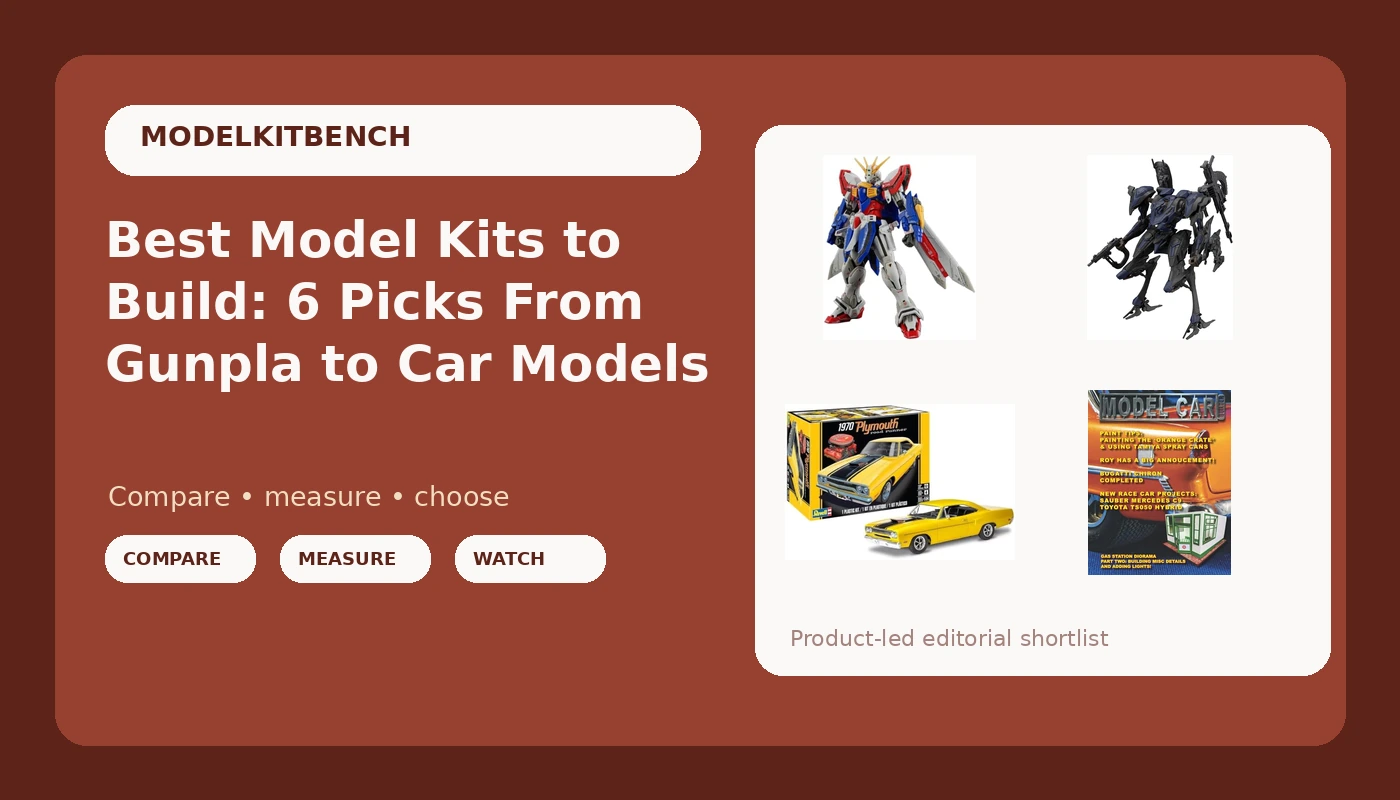
The Bandai Hobby - Mobile Fighter G Gundam - #37 God Gundam, Bandai Spirits RG 1/144 Model Kit is the strongest fit for a builder who wants the most engineering per inch of shelf space, because the Real Grade line packs an inner frame and fine color separation into a small 1/144 kit. Choose the Revell 1970 Plymouth Road Runner Plastic Car Model Building Kit 1:24 Scale instead when you want a traditional glue-and-paint scale project rather than a snap-fit mobile suit.
Model kits and builder resources worth comparing
The grid below covers the whole spread, from snap-fit mecha to a glue-and-paint car, with the two books and the kids' starter kit that round out the group.
Bandai Hobby - Mobile Fighter G Gundam - #37 God Gundam, Bandai Spirits RG 1/144 Model Kit
A 1/144 Real Grade release from Mobile Fighter G Gundam, numbered 37 in the line. The Real Grade approach means a compact kit with an inner frame, tight color separation, and a part count that rewards clean nipping and a steady hand. Best for a builder who wants detail without giving up shelf space.
Visit on Amazon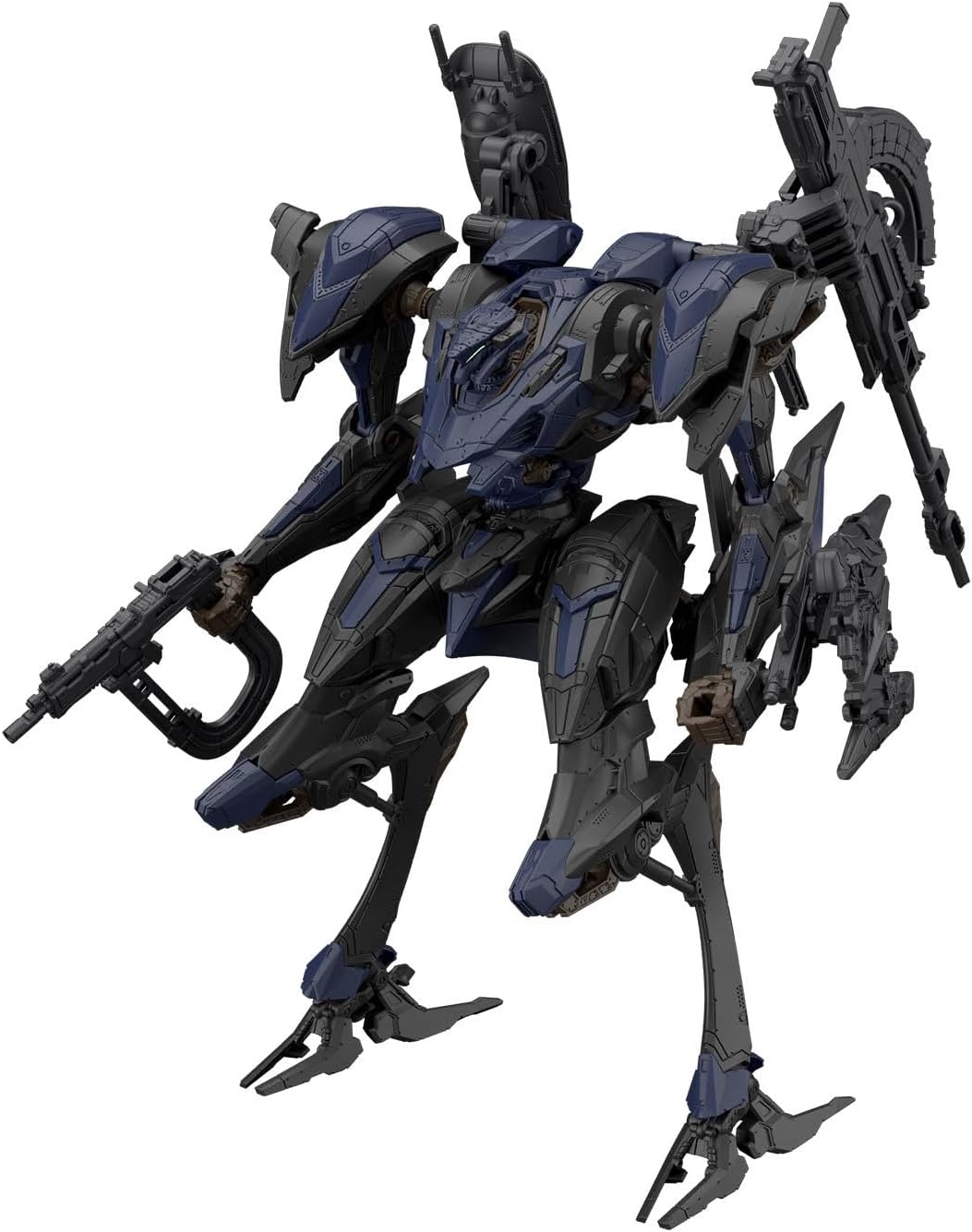
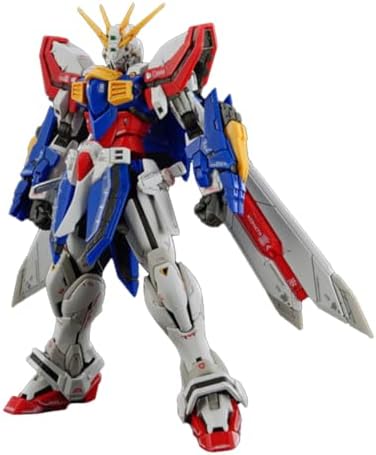
Bandai Hobby - Armored Core VI Fires of Rubicon - #02 Schneiber Nachthreiher/40E Steel Haze 30 MM 1/144 Model Kit
A 1/144 kit drawn from Armored Core VI and built on Bandai's 30 Minutes Missions parts system. Snap-fit construction and a shared joint design mean armor and weapons can be swapped between kits in the same line. A good pick if you want a mech outside the Gundam catalog.
Visit on Amazon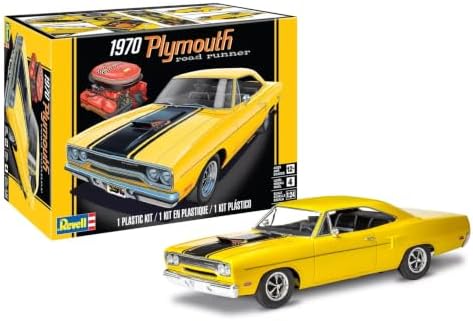
Revell 1970 Plymouth Road Runner Plastic Car Model Building Kit 1:24 Scale
A 1:24 scale plastic kit of the 1970 Plymouth Road Runner. This is traditional scale modeling: expect cement, paint, and far more test-fitting than a snap-fit build, plus a finished car that claims real display space. Right for anyone who wants a muscle car project rather than a mobile suit.
Visit on Amazon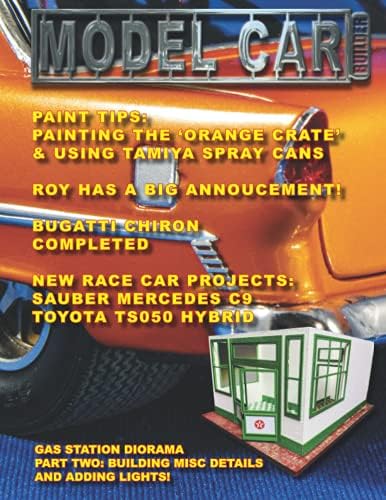
Model Car Builder: Tips, tricks, how-tos on model car building!
A how-to book on building model cars, covering tips, tricks, and the techniques that separate a clean build from a shelf-sitter. Worth keeping next to a kit like the Road Runner if automotive work is new to you and you want guidance on paint, chrome, and body prep before you open the box.
Visit on Amazon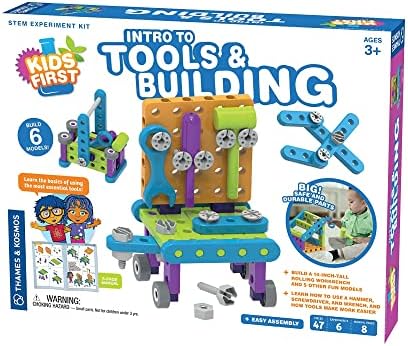
Thames & Kosmos Kids First: Intro to Tools & Building STEM Experiment Kit for Ages 3+ | Build 6 Models, Learn Basic Mechanical Engineering Principles | Make Your Own Workbench with Durable Parts
A STEM experiment kit for ages 3 and up that builds six models, including a small workbench, from durable parts. This is the entry point for a very young builder: chunky pieces, no sharp tools, and basic mechanical ideas introduced through assembly. It is not a scale model, and it is not meant to be.
Visit on Amazon
The Price of Time: The Real Story of Interest
A nonfiction book about the history and role of interest and the value of time. It is not a model kit and it has no place on a hobby bench. It appears in this grid only because it came out of the same sourcing pool, and it is the one card here a builder can skip without missing anything.
Visit on AmazonPrices and availability may change. Check the retailer for current details.
How these products were compared
This guide compares kit type and build method, scale and finished footprint, subject and skill fit, what comes in the box, and what else the build demands in the way of cement, paint, and tools. Product names, images, and retailer links are matched by product identifier so that every card points to the product shown.
Nothing here is presented as hands-on testing of these specific listings. The distinctions come from the product records and from how each kit line generally behaves on a bench: snap-fit mecha kits assemble without cement, while traditional scale car kits are built around glue, paint, and bodywork. Every card links to the retailer so you can confirm the current price, availability, and return terms yourself. Kit prices move, especially on reissues and imports, so the number on a listing today is not the number next month.
How to choose the right model kit
Start with the build method, because it decides everything else. A snap-fit kit like the Real Grade God Gundam or the Armored Core kit is engineered to hold together with molded joints and friction-fit pegs, so a pair of nippers, a sanding stick, and patience will get you a finished model. A traditional kit like the 1:24 Road Runner assumes cement, paint, and filler, and it will not look like the box art until you have put in the hours. Neither is better in the abstract. They are different hobbies that share a shelf.
Scale is the second decision, and it is really a space decision. A 1/144 mobile suit is roughly hand-sized and easy to display in a row, which is why the grade is such a good starting point. A 1:24 car is a serious object: it takes a wide shelf, it is heavy enough to matter if it falls, and it rewards a dedicated workspace where wet paint can sit undisturbed. If you have one small desk and a windowsill, lean 1/144. If you have a garage bench and a spray setup, the car kits open up.
Then there is the question of what the build actually asks of you. Real Grade kits are engineering showcases with dense inner frames, and that density is also their weakness: small parts, tight tolerances, and a certain fragility if you handle them like a toy. High Grade kits forgive more. Master Grade kits sit in the middle for detail and stability. Traditional car kits are their own discipline entirely, and if you have never worked with chrome trim, bare-metal foil, or a two-stage paint job, a reference book is a cheaper first purchase than a second kit you ruin. Our guide to panel lining a model kit without wrecking the plastic covers the one technique that improves almost any build, snap-fit or glued.
Finally, pick a subject you actually like looking at. A perfectly engineered kit of a machine you do not care about will sit unfinished, and a slightly fussy kit of a machine you love will get finished anyway. That is not a rule about plastic. It is a rule about people.
Bandai Hobby - Mobile Fighter G Gundam - #37 God Gundam, Bandai Spirits RG 1/144 Model Kit
This is the top pick because it does the thing the Real Grade line does best: it puts an inner frame, layered armor, and fine color separation into a 1/144 kit that fits on a crowded shelf. It is a modern entry in the grade, drawn from Mobile Fighter G Gundam and numbered 37 in the run, so the molding and the joint design reflect where Bandai's tooling is right now rather than where it was a decade ago. Molded color means it looks presentable straight off the runner, and it looks genuinely good after panel lining and a flat coat.
The trade-off is the grade itself. Real Grade kits are dense, and density means small parts, tight fits, and joints that do not enjoy being yanked around. If you are brand new and your first instinct is to pose the finished model every day, an RG will teach you to be gentle or it will teach you about stress marks. It is also a small model, so if your joy comes from sheer presence on the shelf, a larger grade or a 1:24 car will satisfy you more. What you get in return is the best detail-to-footprint ratio on this list, and a build that stays interesting from the first cut to the last decal.
Alternatives to consider
The Bandai Hobby - Armored Core VI Fires of Rubicon - #02 Schneiber Nachthreiher/40E Steel Haze 30 MM 1/144 Model Kit is better suited to a builder who wants snap-fit mecha outside the Gundam catalog, or who likes the idea of swapping armor and weapons between kits built on the same shared parts system. The Revell 1970 Plymouth Road Runner Plastic Car Model Building Kit 1:24 Scale is a stronger fit when you want a real scale-modeling project with cement, paint, and bodywork, and you have the bench space to leave it out between sessions.
The Model Car Builder: Tips, tricks, how-tos on model car building! book and the Thames & Kosmos Kids First: Intro to Tools & Building STEM Experiment Kit for Ages 3+ cover the two ends of the skill curve. The book supports the automotive side of the hobby with technique guidance, which is worth having before you commit paint to a 1:24 body. The Kids First kit is the opposite end: chunky parts, no sharp tools, six models to assemble, and a small workbench to build along the way. It is a first building experience, not a scale model, and it is the right gift for a preschooler who wants to be at the bench with you.
The The Price of Time: The Real Story of Interest is a book about interest and time, not a model kit. It has nothing to do with the hobby, and it is listed here only because it came out of the same sourcing pool. Skip it unless you happen to want a finance read alongside your backlog.
Day-to-day use and maintenance
The habits that keep builds clean are boring and they work. Cut parts from the runner with nippers and leave a little nub, then shave the rest flush with a hobby knife and finish with a sanding stick, working up through finer grits so you do not leave a shiny patch on matte plastic. Test-fit every joint before you commit, especially on a Real Grade, where forcing a peg is how you crack a socket. Panel line after assembly and before a topcoat, and give the ink time to cure before you touch it.
Decals are where patience pays. Waterslides need a few seconds in warm water and a soft, damp surface to slide onto; if one refuses to move, give it longer rather than dragging it, because a torn decal is a permanent one. Topcoat protects decals and panel lines and evens out the plastic's sheen, and it is the single step that makes a snap-fit kit stop looking like a toy. Keep finished models out of direct sun, since UV fades paint and yellows bare plastic over time, and dust them with a soft brush rather than a cloth that can catch on antennae and thin parts.
For the traditional car kit, ventilation matters. Cement and spray paint belong near an open window or a fan pulling air away from you, not in a closed bedroom. Small parts are also a genuine hazard around young children, which is exactly why the Kids First kit exists in its own category: it is built from parts sized for small hands, while a Real Grade or a 1:24 car is not. Build the little one's workbench first, then keep your own nippers out of reach.
Buying checklist
- Measure your shelf and workbench clearance before you commit to a scale. A 1:24 car and a 1/144 mobile suit need very different amounts of room.
- Decide snap-fit or glue before you buy. One needs nippers and patience, the other expects cement, paint, and filler.
- Confirm what the exact kit includes, such as weapons, a stand, or a full interior, rather than trusting the box art.
- Check whether paint, cement, and tools are sold separately, because most kits do not include them.
- Verify the current retailer price, availability, and return terms through the product link before you order.
Final recommendation
Choose the Bandai Hobby - Mobile Fighter G Gundam - #37 God Gundam, Bandai Spirits RG 1/144 Model Kit when you want maximum engineering in a small footprint and you are ready to handle small parts carefully. Choose the Revell 1970 Plymouth Road Runner Plastic Car Model Building Kit 1:24 Scale when you want a traditional glue-and-paint project and have the bench space and ventilation to do it properly.
If neither of those describes your bench, the honest answer is that the rest of this list is supporting material rather than a decision. The Armored Core kit covers snap-fit mecha from a different universe, the Kids First kit covers the smallest builder in the house, and the Model Car Builder book covers technique. When the difference between two options does not change what you would actually build next, do not let a comparison talk you into a purchase.