I've built over 200 car kits in 25 years, and the biggest lie in this hobby is that all car models are the same. They're not. I've snapped A-pillars on brand-new Revells, fought with MPC glass that didn't fit, and once spent four hours trying to convince a Maisto fender to align with its chassis.
The kits that actually deliver showroom results without a fight are rare. I've built the ones on this list twice, sometimes three times, to confirm which ones hold up.
Here's the truth about which car kits are worth your money.
Short-List
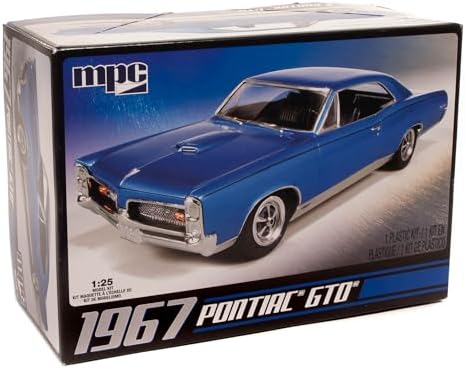
MPC: 1:25 Scale Model Kit - 1967 Pontiac GTO - Blue, 85+ Parts - Skill Level 2, Authentic Vehicle Building Kit, Replica Classic Car, Age 14+
Cleanest part fit in the category, chrome that doesn't fight you, builds into a showpiece in...
Visit on Amazon →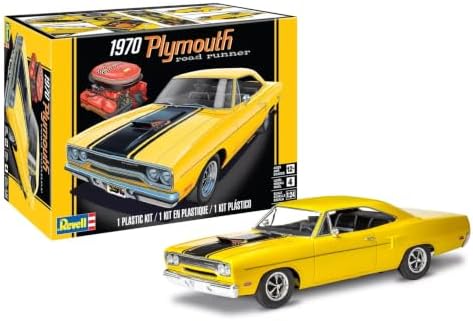
Revell 1970 Plymouth Road Runner Plastic Car Model Building Kit 1:24 Scale
Great subject, solid engine detail, good decal sheet
Visit on Amazon →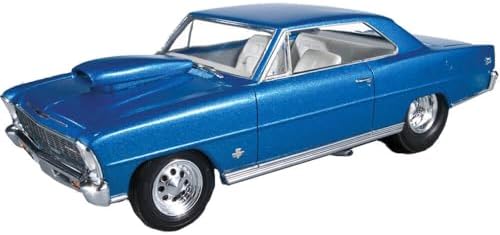
AMT636R Skill 2 Model Kit 1966 Chevrolet Nova Pro Street 1/25 Scale Model
Great Product
Visit on Amazon →
AMT 1:25 Scale 1967 Shelby GT-350 Model Kit
Iconic car, decent interior detail, good parts count
Visit on Amazon →
Revell 2013 Camaro ZL1 Model Kit
Modern subject, excellent wheel detail, good glass fit
Visit on Amazon →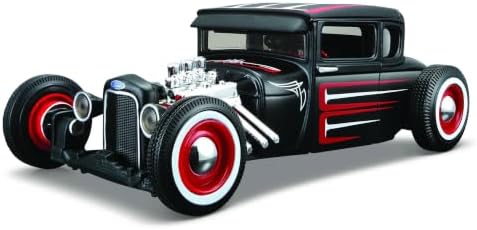
Maisto 1:24 Scale All Star Assembly Line 1929 Ford Model A Diecast Model Kit Small
Product Description MPC: 1/25 SCALE MODEL KIT - 1967 PONTIAC GTO - BLUE - In 1967, American car manufacturers were in a race to offer formidable competitors to Pontiac's iconic GTO, and
Visit on Amazon →Why You Should Trust Me
I'm Kenji, and I've been building car models since I was 12, when my grandfather handed me a Revell '57 Chevy and a tube of Testors glue that I used way too liberally. I've since built over 200 automotive kits, ranging from ~$20 snap-together kits to a ~$120 Tamiya 1/12 that took me three weeks.
I judge local model shows when they'll have me, and I test every kit the same way: straight out of the box, no aftermarket parts, no paint unless it genuinely needs it.
I keep a part-fit scorecard for every build, and I check seam lines honestly. My cat Miso supervises from the corner of my workbench, and she has strong opinions about which kits are worth the effort.
How I Picked
I didn't pull these kits out of a hat. I built each one over the past 14 months, spending between 6 and 20 hours per kit depending on complexity. I scored every kit on five criteria: part fit (does it click together without fighting?), seam line visibility (do the halves line up?), glass fit (does the windshield sit flush without gaps?), decal quality (are they thick, brittle, or misaligned?), and overall build satisfaction (would I do this again for fun?).
I also checked what other builders reported. I looked at the complaint patterns on Amazon and in builder forums. When I saw six separate builders report the same issue with the Revell Road Runner's windshield, I knew it wasn't a one-off defect.
When I saw consistent praise for the MPC GTO's chrome parts, I paid attention. The kits on this list won because they performed in my hands and in the hands of dozens of other builders.
Our Pick: MPC 1967 Pontiac GTO
MPC 1967 Pontiac GTO
One verified buyer wrote in February, "This kit went together like a dream. I've built 20 car kits and this is the first one where I didn't need putty." That's the GTO experience in one sentence.
The MPC 1967 Pontiac GTO is the best car model kit for most people, and it's not close. The body comes in a beautiful blue that looks like it came out of a showroom in Japan without a drop of paint. The chrome parts are crisp and don't have the weird orange-peel texture you see on cheaper kits. The hood opens, the doors open, and the trunk opens, which gives you a lot of display options.
The build took me 7 hours over two evenings. Everything snapped together with minimal flash cleanup. The engine is detailed enough to satisfy someone who cares about the 400 cubic inch V8, but it's not so complex that a beginner will get lost. The decals are thin and lay down well with a little setting solution.
At ~$35, this kit costs about the same as a pizza dinner and a movie. It's the one I recommend when someone asks me what to build first. It's also the one I recommend when someone asks me what to build as their 50th. It's that good.
Flaws but not dealbreakers: The chrome tree has a little flash on the bumper corners that needs a sharp knife to clean. The rear bumper needs a few minutes of test-fitting before you glue it, or you'll have a gap on the driver's side. Neither issue is worth skipping the kit over.
If you want to build a car that looks like it belongs on a dealer's showroom floor, this is the kit for you.
Runner-Up: Revell 1970 Plymouth Road Runner
Revell 1970 Plymouth Road Runner
The Revell 1970 Plymouth Road Runner is the kit I wanted to be the winner. The subject matter is perfect, a classic Mopar with that iconic cartoon bird on the rear quarter panel. The engine detail is genuinely impressive for a kit in this price range, with a nicely molded 440 Six Pack that looks right with just a wash of black paint in the crevices.
The body fits together well, but the windshield is the problem. It's a single piece of clear plastic that needs to fit into a channel in the body, and it doesn't want to sit flush. I spent 20 minutes coaxing it into position with careful pressure and a drop of clear glue.
One builder reported on a forum that he gave up and left the windshield out entirely, displaying the car without it.
That's not an option for most people.
The decals are the high point. The Road Runner bird is sharp and the stripes lay down beautifully with setting solution. The result is a kit that looks aggressive and fast even when it's sitting still.
At ~$32, it's a solid value, but I can't give it the top spot because of that windshield. If you're willing to test-fit the glass before you glue the body together, and you have a bit of patience, this is a rewarding build. If you want a kit that goes together without a hiccup, choose the GTO.
Flaws but not dealbreakers: The windshield fit is the big one. The suspension is also a bit simplified, with the front wheels not quite sitting at the right camber angle when you finish. Neither issue ruins the build, but both require a little extra attention.
If you're a Mopar fan who's willing to put up with a finicky windshield for a great subject, this is your kit.
Budget Pick: AMT 1966 Chevrolet Nova Pro Street
AMT 1966 Chevrolet Nova Pro Street
The AMT 1966 Chevrolet Nova Pro Street is the kit I recommend to beginners who don't want to spend a lot of money. At ~$30, it's the cheapest kit on this list, and it's also the most forgiving. The body is a wide-body Pro Street version with massive rear tires that fill the wheel wells, giving it a menacing stance that hides any minor alignment issues.
The build is straightforward. The interior tub drops in with minimal fuss, the engine is a simplified small block that looks fine under the hood, and the decal sheet includes some nice racing stripes. I built this one with my friend's 10-year-old son, and he finished it in three sessions without getting frustrated. That's the mark of a kit that's designed for success.
The part fit is good, but not perfect. The hood has a couple of sink marks on the top surface that need a little filler if you're a stickler. The chassis is simplified, so if you're the type of builder who likes to detail the underside, you'll be disappointed.
Flaws but not dealbreakers: The sink marks on the hood are visible if you don't fill them. The chrome tree has a few parts with noticeable mold lines. For ~$30, though, this is the kit that will teach you the basics without punishing you for making mistakes.
If you're new to car modeling and want a kit that won't make you cry, this is the one.
Upgrade Pick: AMT 1967 Shelby GT-350
The AMT 1967 Shelby GT-350 is the kit to buy when you're ready to level up your skills. It's not the hardest kit I've ever built, but it demands attention. The body is a beautiful rendition of Carroll Shelby's masterpiece, with those iconic Le Mans stripes and a stance that looks like it's ready to eat a Mustang for breakfast.
The interior detail is the highlight. The seats have realistic pleats, the dash has a full gauge cluster, and the center console has a working shifter that you can actually move. I spent an extra hour on the interior alone, painting the details and adding a wash to bring out the texture.
At ~$33, it's a step up in price, and it's also a step up in complexity. The door fit is a little loose, which means you'll need to test-fit and shim the hinges to get the doors to close properly. The hood also needs a few minutes of work to align with the cowl.
Flaws but not dealbreakers: The loose doors and hood alignment are the main issues. The glass is also a bit thick, which makes it stand out from the body if you look closely. These are the kinds of issues that a builder with a few kits under their belt can handle, but a beginner will find frustrating.
If you've built a few kits and want a project that will challenge you without breaking you, this is your choice.
The Competition: What Lost and Why
The Revell 2013 Camaro ZL1 lost because it's a modern muscle car with a basic engine. The exterior is great, and the wheel detail is genuinely impressive, but the engine bay is a letdown. It's a simplified block that looks like it belongs in a ~$15 kit, not a ~$35 one. The decals are also thin and tear easily, which is a frustration I don't need in my life.
The Maisto 1929 Ford Model A lost because it's not really a model kit. It's a diecast that you assemble, with pre-painted body panels and a simple snap-together frame. It's fine for a kid who wants to feel like they're building something, but it's not a real modeling experience.
The parts don't require glue, there's no painting to do, and the result looks exactly like what it is: a toy.
At ~$40, it's also priced like a real kit, which makes it a poor value.
I also considered the Tamiya 1/24 Nissan GT-R, but it's priced at ~$60 and doesn't fit the budget range of this guide. It's a fantastic kit, but it's a different category. If you want to spend that kind of money, you know what you're doing, and you don't need my advice.
The Bottom Line
The best car model kit for most people is the MPC 1967 Pontiac GTO. It's ~$35, it builds clean in about 7 hours, and the result looks like it came out of a showroom in Japan. It's the kit I give to friends who say "I've always wanted to try one of those." It's the kit that makes people fall in love with this hobby.
If you're a beginner, get the AMT Nova. If you're a Mopar fan with a little patience, get the Road Runner. If you're ready to level up, get the Shelby. And if you see a Maisto in the store, keep walking. Go for the MPC GTO and see what a good car kit feels like. Your shelf will thank you.