I have four questions I ask before I spend real money on any box: does it fit without glue, where are the gates, are the decals usable, and would I build it again for fun. That scorecard is the spine of this model kit comparison, because the four kits below share a shelf label and almost nothing else. One is a 1/12 Star Wars figure from Bandai Spirits. One is the Tamiya 1/35 Sherman that has been an armor staple for decades. One is a multi-figure German pioneer team that comes with a tracked mine. And one is a 444-piece molecular model set that belongs on a study desk, not next to your airbrush station.
That last one is not a mistake or a filler pick. Part of what makes this hobby interesting is that "kit" covers snap-fit figures, armored vehicles, figure vignettes, and educational models that get rebuilt a hundred times. Sorting them by the same standards is the honest way to do it. A kit that fights you during assembly is a bad kit whether it ends up on a display shelf or in a chemistry class.
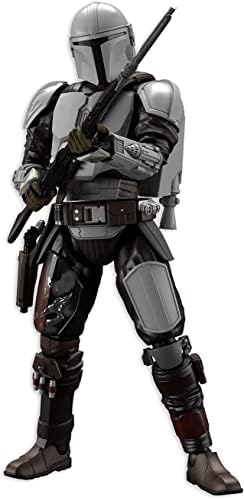
Bandai Hobby The Mandalorian Beskar Armor, 1/12
Best snap-fit engineering of the four, figure-scale presence, strong color separation out of the box
Figure scale limits diorama options, and armor panels invite paint work you may not want
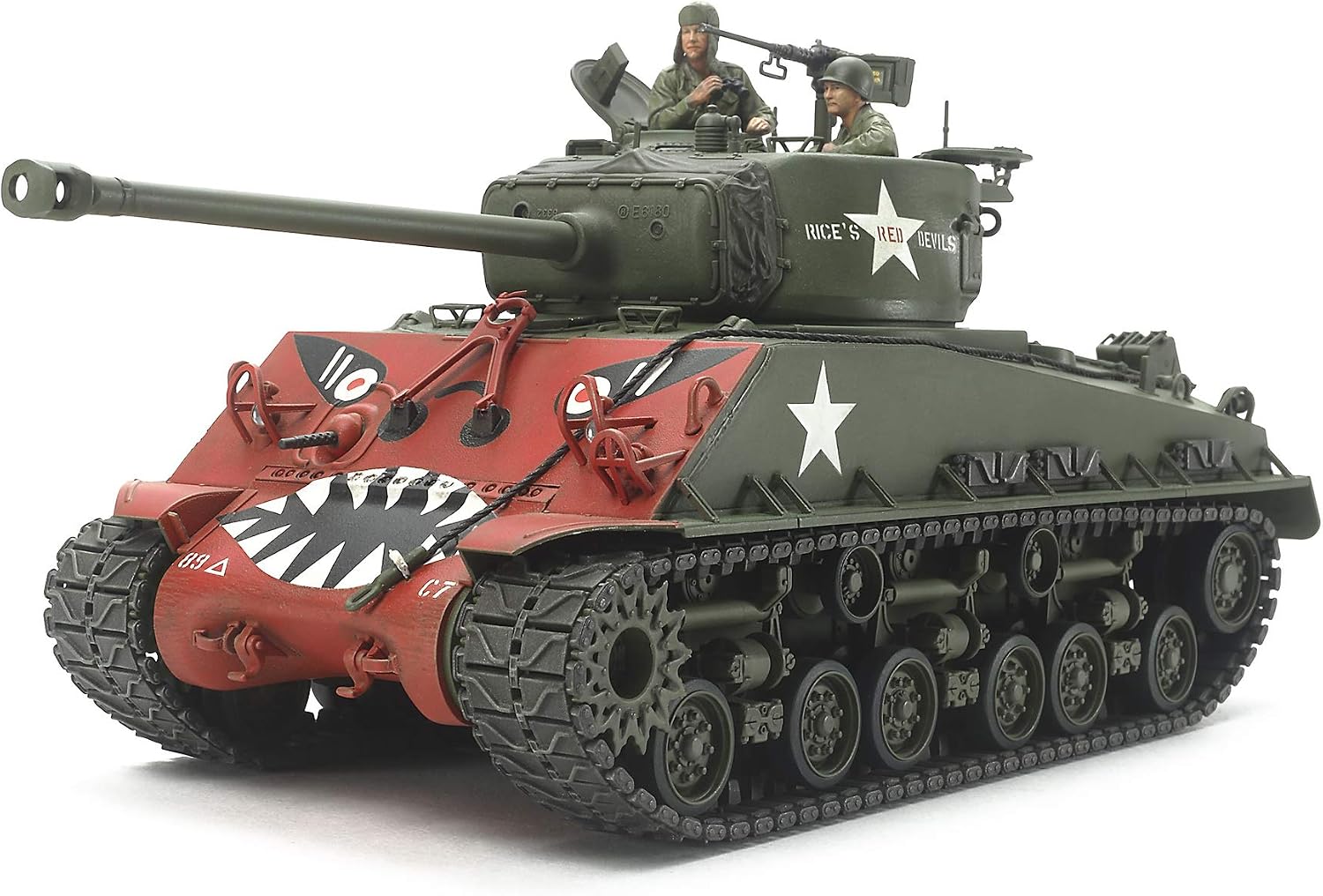
Tamiya 35359 1/35 US Medium Tank M4A3E8 Sherman
Tamiya molding quality, the deepest 1/35 aftermarket support of any subject, Easy Eight variant
Bare plastic shows every shortcut, and armor kits reward paint and weathering you have to supply yourself
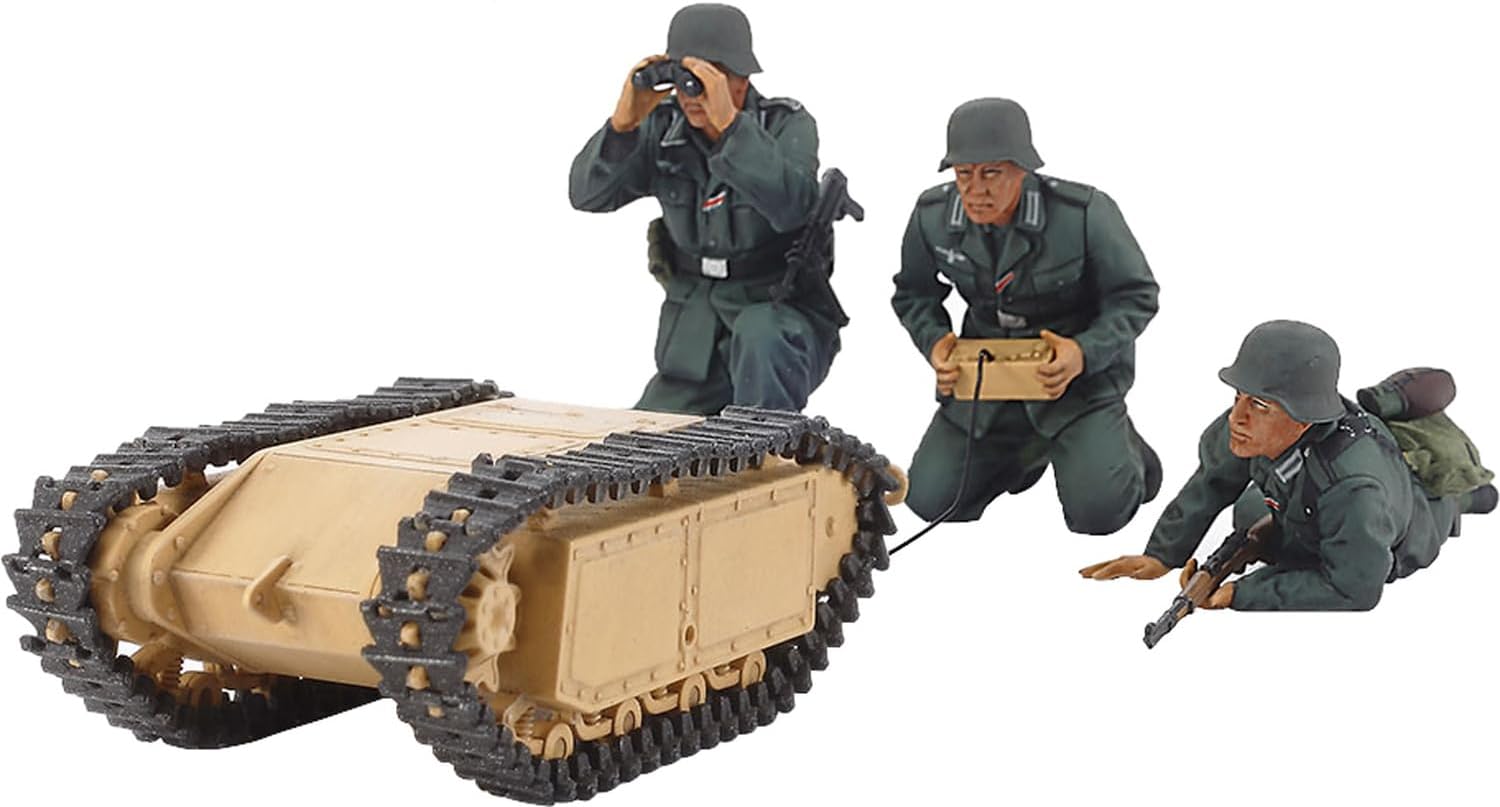
1/35 German Assault Pioneer Team w/Goliath Set
Multiple figures plus a tracked mine makes a vignette out of one box, shares scale with the Sherman
Figure kits mean small parts and skin tones, no snap-fit forgiveness, base and groundwork are on you
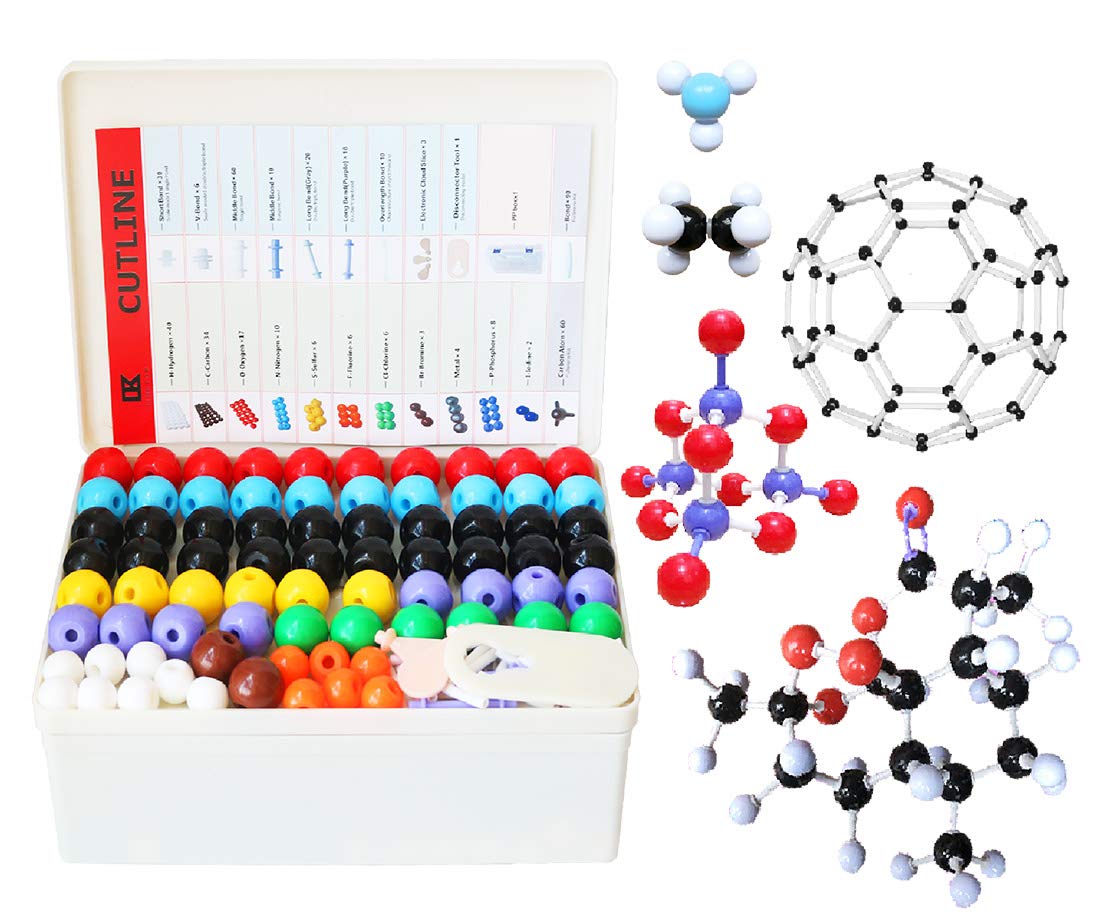
LINKTOR Chemistry Molecular Model Kit, 444 Pieces
Reusable, rebuildable, teaches structure and fullerene geometry, superb value as a learning tool
Not a scale model, no display-shelf payoff, the plastic is a tool rather than a finish
Prices and availability were captured from Amazon Creators API and may change.
How I sort a batch like this
The first question is fit. Snap-fit engineering is the standard now, and a kit that needs glue where it should snap together is a design failure no matter how good the details are. Bandai Spirits sets that bar for figure-scale kits, and Tamiya sets it for armor. When a kit from either of those houses needs filler, that is news.
The second question is gate placement. Under-gates hide the nub mark on the underside of the part, which means less sanding on visible surfaces. Gates on top of a wing or across a shoulder pad mean an hour of careful work before you even think about paint. This is the single clearest signal of whether a manufacturer thought about the builder or about the mold.
The third question is decals. A kit with waterslides that shatter in warm water is a kit with a design problem, not a technique problem. Markings should behave whether you are a first-timer or a ten-year veteran.
The fourth question is the fun test. If I would happily build the thing again with no aftermarket parts, it earns its place. If it is only tolerable once, it goes in the back of the closet.
Those four questions apply just as well to a chemistry set as to a tank. They just produce different answers.
The figure: Bandai's 1/12 Mandalorian Beskar Armor
This is the box in the batch that most people will recognize on sight. Bandai Spirits has spent years refining how a kit assembles, and figure kits at this scale show the payoff: armor plates that read as separate layers, color separation that gets you close to a finished look before any paint touches plastic, and joints designed to hold a pose instead of sagging after a week.
The name on the box says the armor is Beskar, and that is the in-universe version of a weathering license. You can build it clean and display it as a fresh coat, or you can chip and wash the plates to look like a piece that has been through a fight. That choice is the appeal. It is also the trap, because once you start painting armor panels, you are committed to consistency across the whole figure.
Where it gives ground is scale. A 1/12 figure sits alone. It does not share a scale with the 1/35 armor in this batch, so it cannot join those kits in a vignette without looking like a giant. If you want a shelf piece and a project that finishes in a reasonable number of sessions, this is the strongest pick here. If you want to build a scene with vehicles and groundwork, it is the wrong box.
The armor mainstay: Tamiya 1/35 M4A3E8 Sherman
Tamiya's plastic quality is the reason I stopped arguing about brands and started arguing about engineering. The M4A3E8, the Easy Eight, is one of the most recognizable subjects in 1/35 and one of the best supported. That support matters more than beginners expect. In 1/35 you get track sets, stowage, figures, photo-etch, and markings from a dozen sources, and the Sherman is at the center of that ecosystem.
The trade-off is honesty. An armor kit in bare plastic looks like a model kit in bare plastic. Tracks and suspension are the places where shortcuts show, and the Sherman's running gear is a lot of repetition that rewards patience. Paint and weathering are not optional extras here, they are the finish line. If you are willing to learn a wash and a drybrush, this kit returns the effort. If you want something that looks close to finished straight from the runner, the figure kit above is the better call.
The other reason to keep this one in the batch is scale. It is 1/35, which puts it in the same world as the next kit on this list. Two boxes, one scale, one shelf, and eventually one scene if you want to go that far.
The vignette builder: German Assault Pioneer Team with Goliath
Assault pioneers were the engineers of their day, the people who cleared obstacles and opened the way for everyone else, and a set built around them is a set built around a story. Adding the Goliath, the small tracked demolition carrier, turns a group of figures into a scene with a focal point. That is rare in a single box.
This is not a snap-fit experience. Figure kits at 1/35 are small-part work: gear, straps, weapons, hands, and faces that will not look finished without careful painting. Skin tones are their own skill, and they scare people off more than seams ever do. The reward is that a well-painted figure group reads as a moment rather than an object, and no amount of aftermarket can fake that.
Pair it with the Sherman and you have the makings of a diorama without leaving the scale. Groundwork, a base, and a bit of rubble are the only things you have to supply. That is a genuinely strong two-box combination, and it is the reason I keep both kits in this comparison instead of cutting one.
The odd one out: the LINKTOR 444-piece molecular model kit
Every so often a kit lands in front of me that shares the tools but not the goal. This is that box. The LINKTOR set is 444 pieces of molecular modeling hardware: atoms, bonds, and the connectors that let you assemble organic structures, inorganic compounds, and fullerene geometry with your hands. Nothing about it is a scale model. Everything about it uses the same skills.
It is also the only kit here designed to be taken apart and rebuilt, which changes the value math entirely. Count sessions instead of shelf life. A student who builds a benzene ring, a teacher who needs to show why a structure bends the way it does, a hobbyist who wants to understand the geometry behind a shape, all of them get repeated use out of one purchase. There is no paint, no seam work, no decals, and no fragility anxiety.
What you give up is the display payoff. A finished molecular model is a teaching tool, not a centerpiece. It will not sit next to your armor shelf and win a conversation. It will sit on a desk and get used, which is a different and equally legitimate kind of success.
If the four boxes here were a single shelf, this would be the one I would hand to the kid who says they do not like model kits. Different tools, same hands.
Scale first, subject second
The mistake I see most often is choosing a kit by subject and then being surprised by the work. Pick the scale first, because scale decides everything downstream: how big the parts are, how much of the work is painting, and what the finished thing can share a scene with.
1/12 gives you a figure with real presence and a manageable part count. It is the scale for a single, focused, display-ready piece. 1/35 gives you vehicles, figures, and the deepest support network in the hobby, plus the ability to mix and match armor and infantry in one scene. The molecular kit is not on that scale map at all, which is exactly the point. It is the box you buy for a brain rather than a shelf.
If you are new to the hobby, the honest sequence is this: start with something that snaps together cleanly and looks good before paint, learn nub cleanup and panel lining, then move into a kit that demands paint. The figure kit fits step one. The Sherman and the pioneer team fit step two. The molecular set fits any step, because it asks nothing of your finishing skills and everything of your curiosity.
What the four trade against each other
None of these kits wins everything, and that is the useful part of putting them side by side.
The Bandai figure wins on engineering and finish-out-of-the-box convenience, and loses on scene-building flexibility and scale compatibility. The Tamiya Sherman wins on molding quality, subject support, and the satisfaction of a paint job you earned, and loses on immediate visual payoff in bare plastic. The pioneer team wins on storytelling density per box and scale sharing with the Sherman, and loses on part size, figure painting difficulty, and the groundwork you must build yourself. The molecular kit wins on reusability and educational value per dollar, and loses on display presence and everything the hobby calls "finish."
Two more things cut across all four. First, part count is not the same as difficulty. A high part count with clean snap-fit engineering is easier than a low part count full of tiny figure details that must be painted. Second, the fun test is the one that predicts whether a kit stays finished. Every kit in this batch is a candidate. The one you would happily build twice is the one to buy.
The verdict
If you want one kit that looks great with minimal finishing and rewards a single focused session, take the Bandai Spirits 1/12 Beskar Armor figure. If you want a long-term armor project with the deepest aftermarket and figure support in the hobby, take the Tamiya 1/35 M4A3E8 Sherman, and add the German Assault Pioneer Team with Goliath when you are ready to build a scene in the same scale. If you are buying for a student, a classroom, or anyone who wants to build structures instead of vehicles, the 444-piece LINKTOR molecular model set is the one that earns its price through repeated use rather than shelf appeal.
Judge every one of them the same way you would judge anything else on your bench: fit, gates, decals, and whether you would build it again. That scorecard has never let me down.